
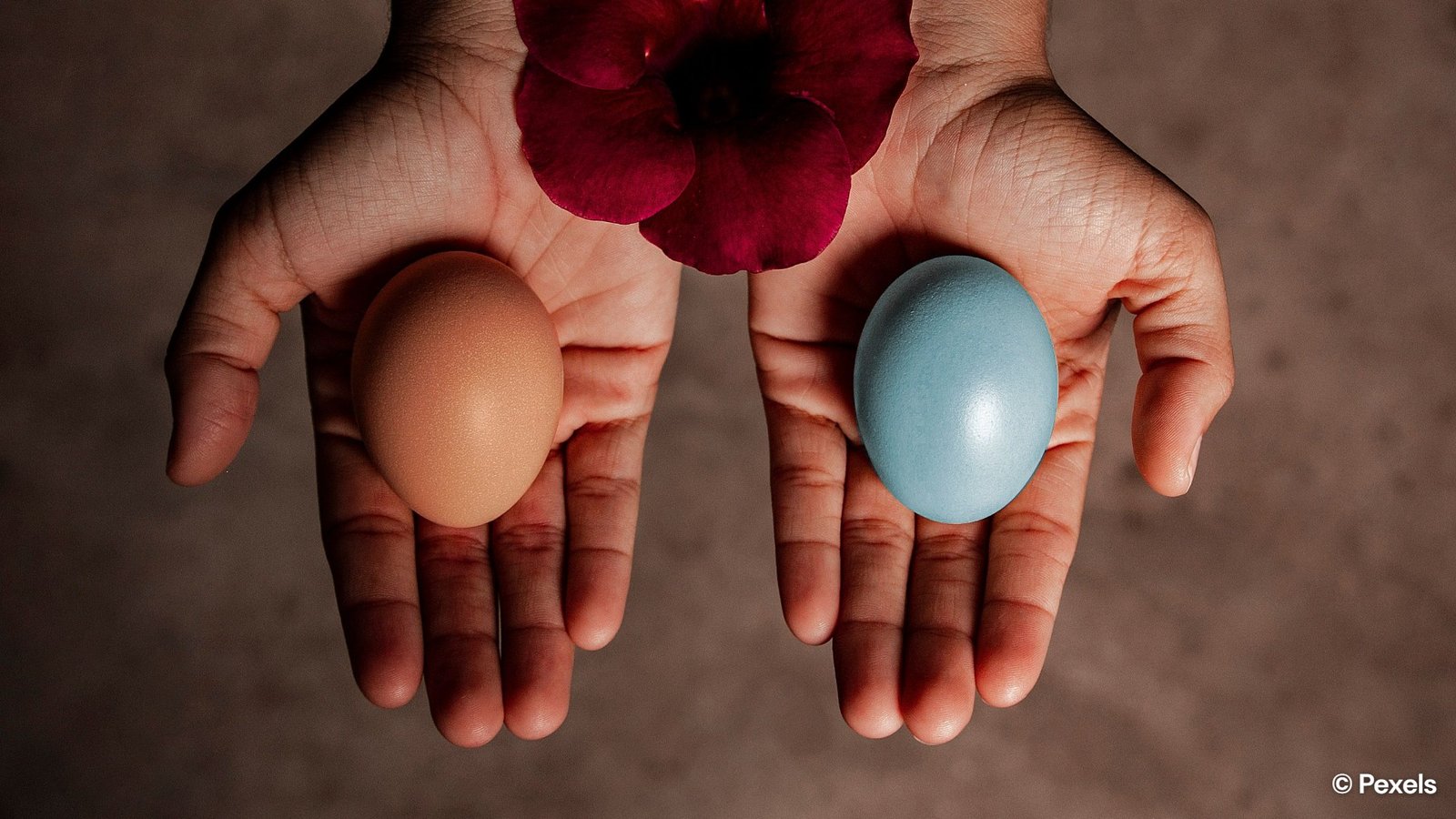
There is no need to have a long list of ingredients when making something special. A classic French omelette is a silky, tender dish that’s been a staple in cooking for years and is a great way for chefs to impress with just a few simple ingredients: two eggs, butter and a pinch of salt. Elegant and less than 10 minutes to complete, it tastes rich as well!
What makes it special
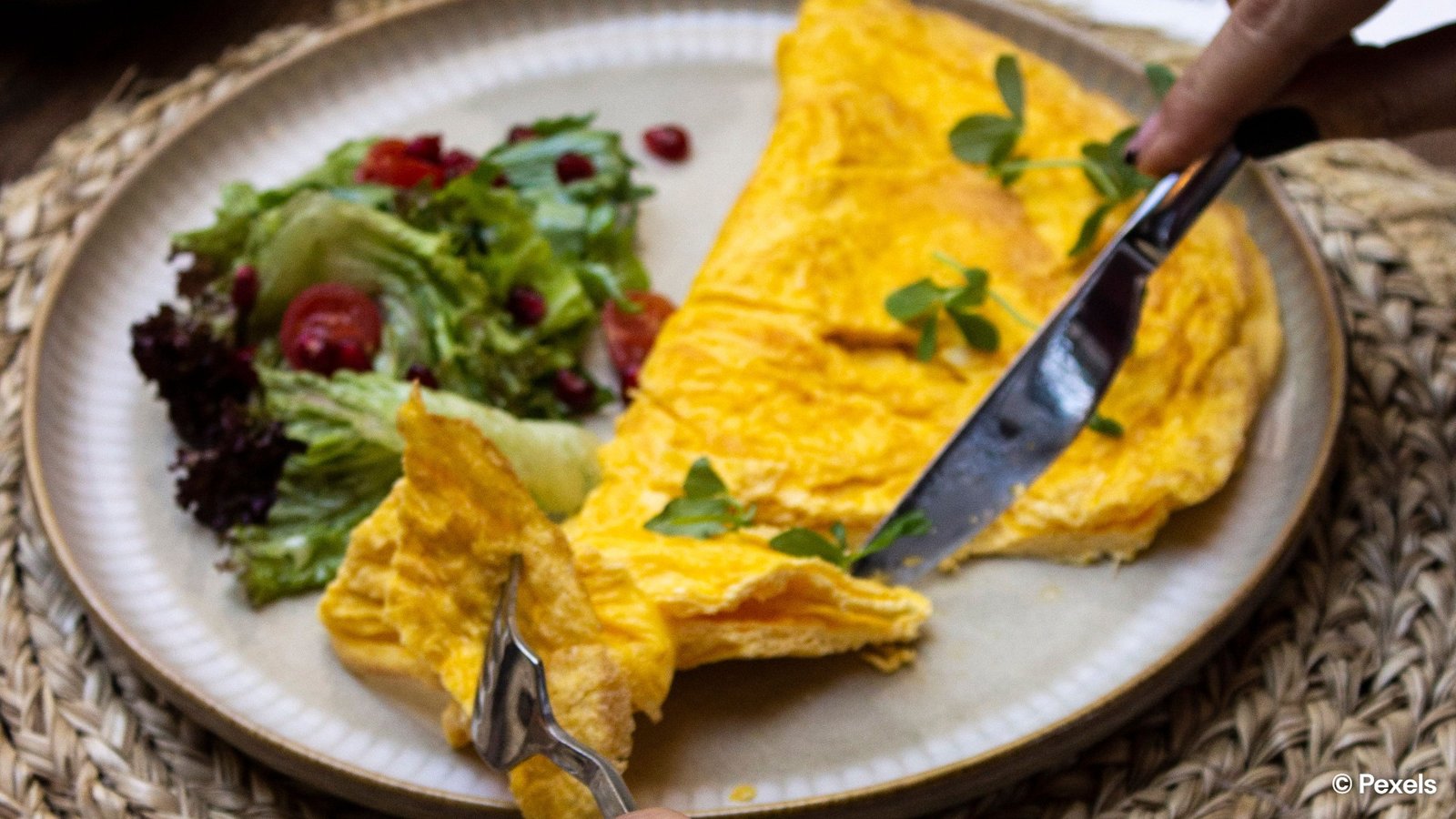
A French omelette is not like a browned and folded diner-style omelette, but rather light yellow on the outside and soft and creamy on the inside. It is rolled into a smooth and neat form. The secret is using gentle heat and moving along and removing from the heat before the eggs are completely set.
What you need
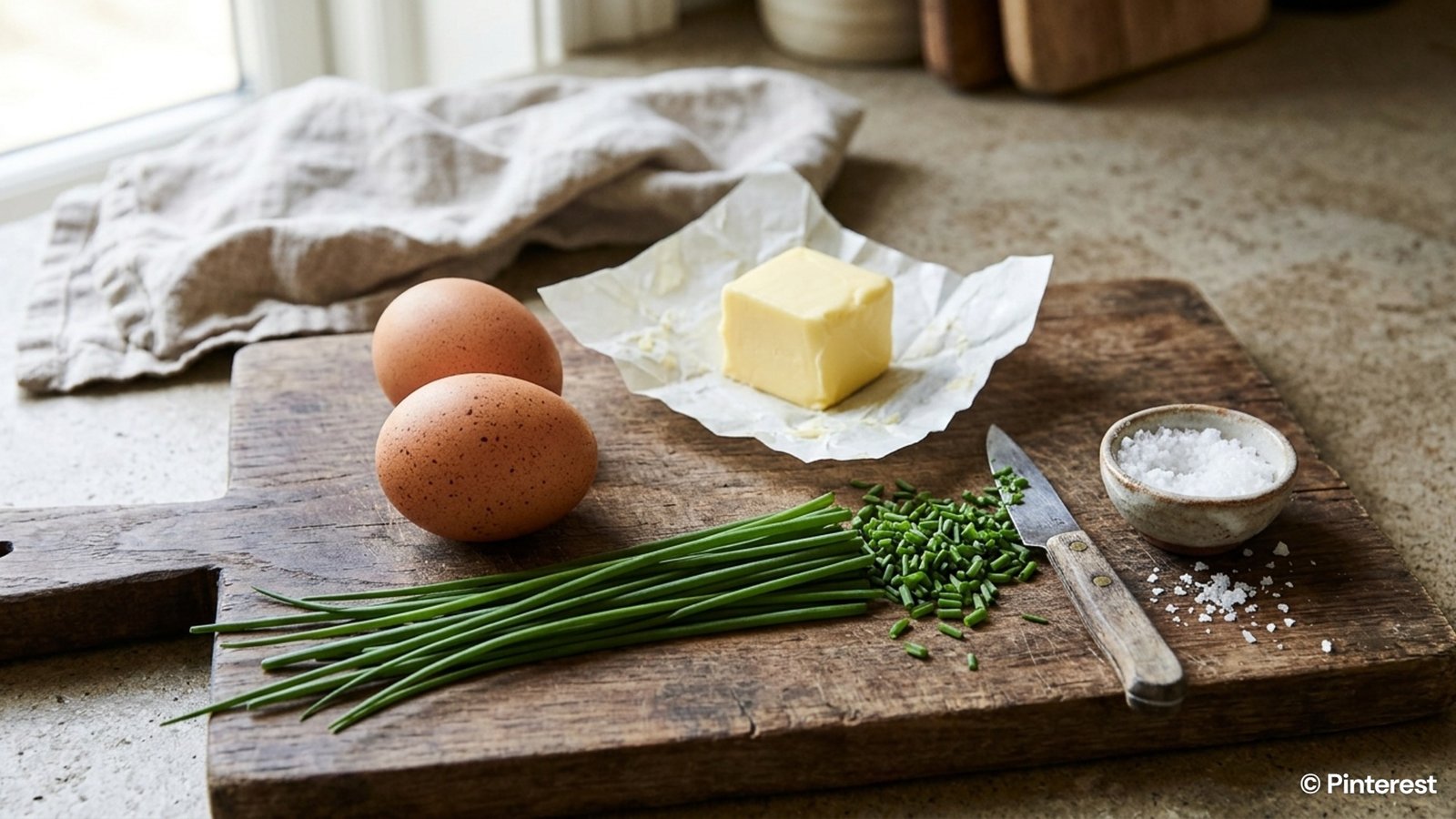
Only two large eggs, a tablespoon of butter, salt and, if desired, finely chopped chives are required for finishing. A small nonstick pan (about 8 inches wide) makes it easier, as does a fork or a heatproof silicone spatula.
Beat the eggs well
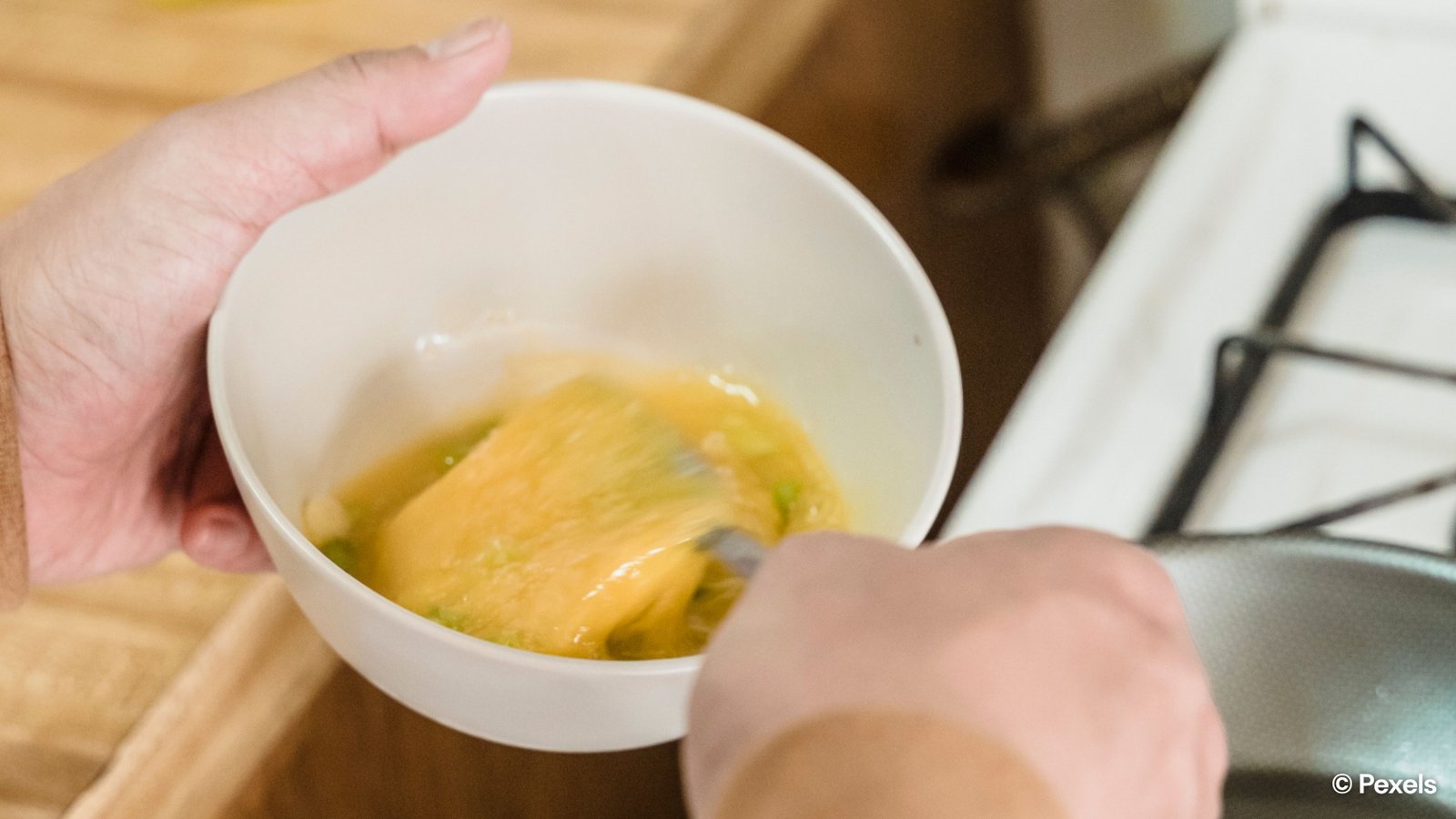
Crack the eggs into a bowl, season with salt and beat with a fork until the yolk and white are thoroughly mixed and no streaks are visible. This will take about 1 minute and will help to make the omelette smooth and even.
Melt the butter gently
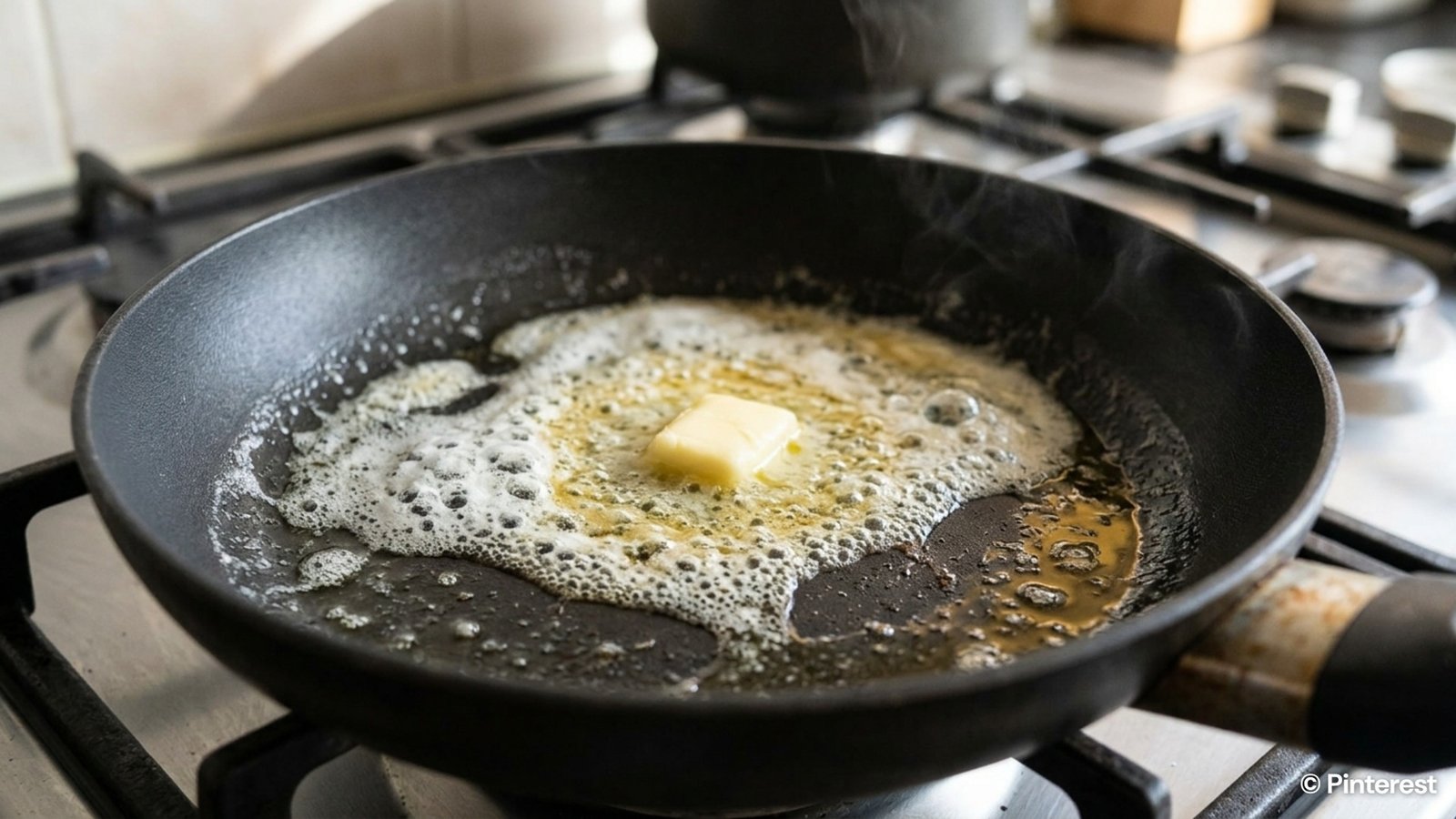
Put the pan over medium-low heat and melt in the butter. Allow to soften and froth, but not brown. The eggs will be coloured brown by the browned butter and the flavour of the butter will be affected, and the pan will foam when it is ready for the eggs.
Stir and shake
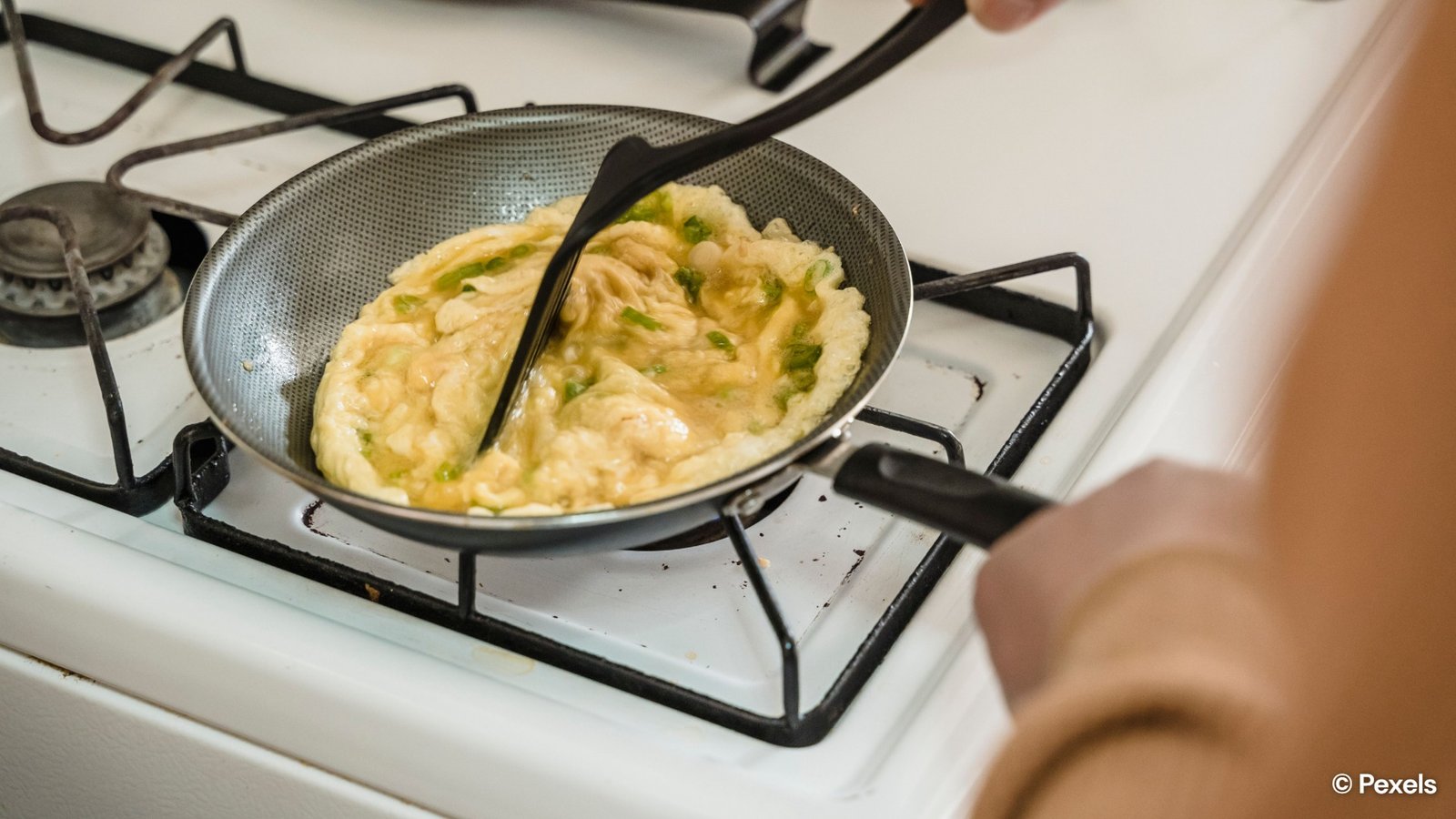
Pour in the eggs. Gently shake the pan back and forth and quickly stir with your spatula or fork. This results in small, soft curds, rather than a single hard layer. Continue until the eggs are a loose, creamy scramble, about 1 to 2 minutes.
Smooth it out
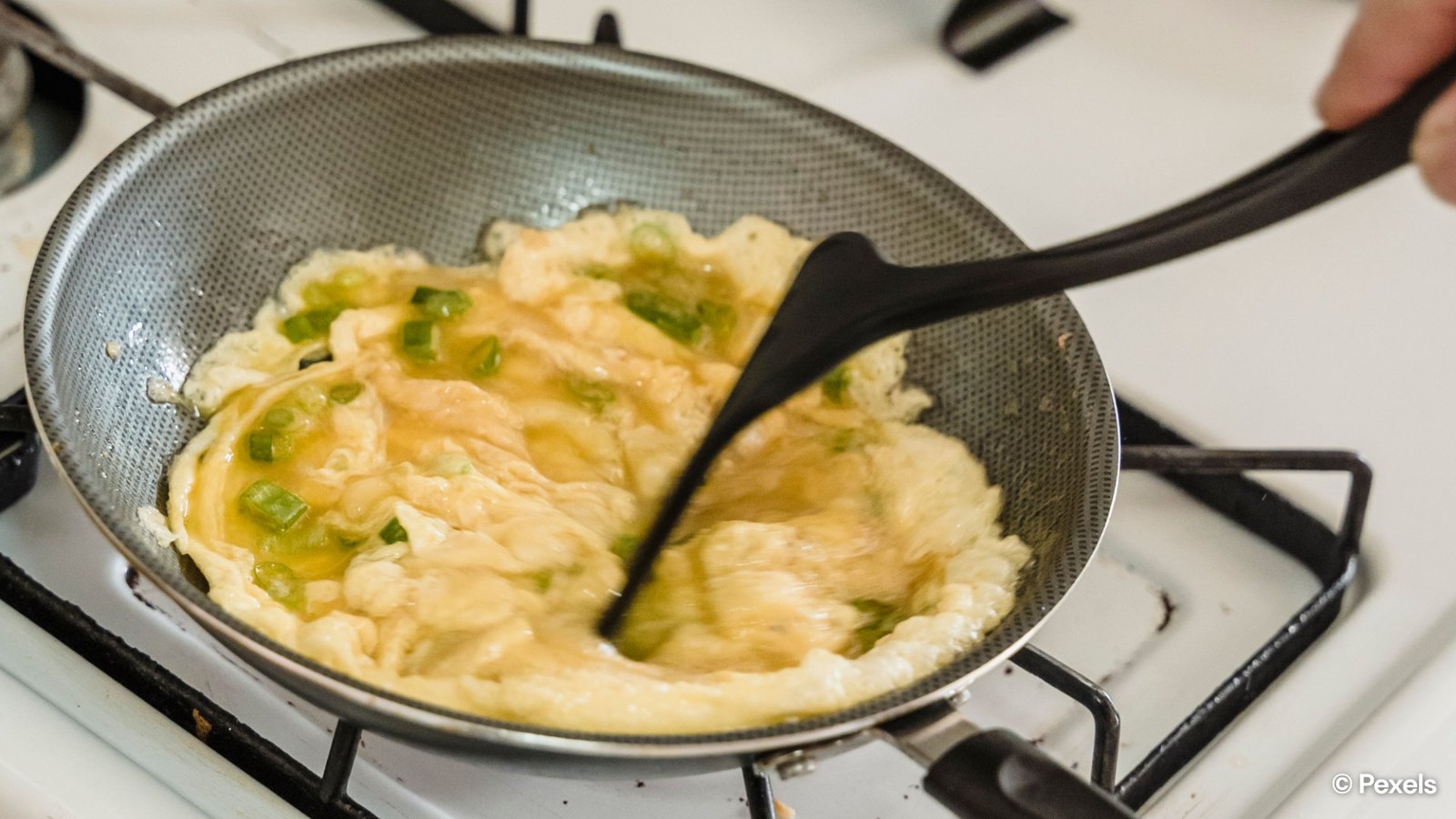
Once the eggs are well set, but still slightly runny on top, ceease stirring. Spread into an even layer using the spatula and allow to rest a couple of seconds before the bottom burns.
Roll it up
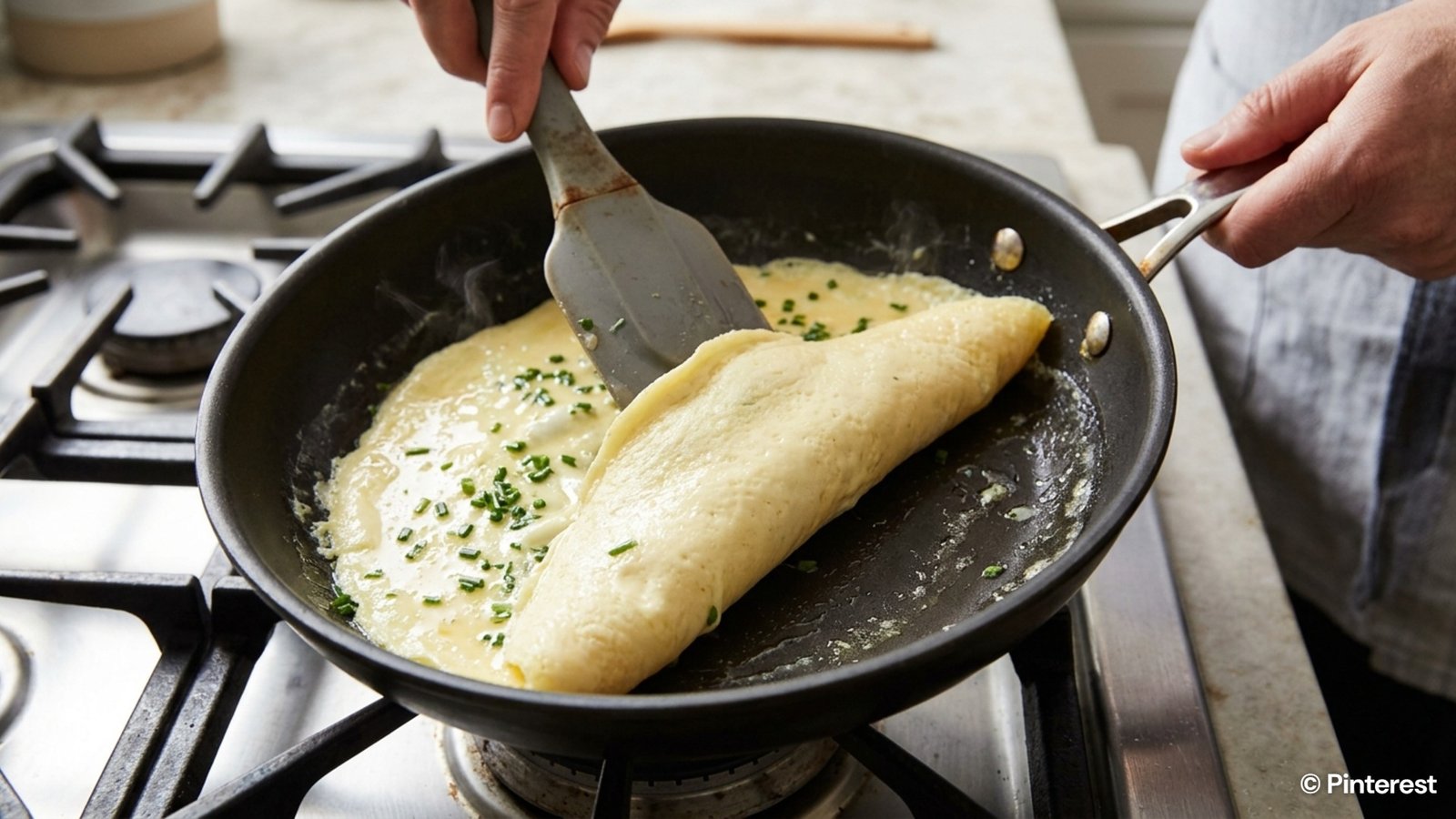
Tip the pan away from yourself, bend the edge of the pan that is closest to you to the center with the spatula. Next, slowly turn the omelette to the opposite side of the pan. It should be shaped like an oval and the seam underneath.
Plate and serve
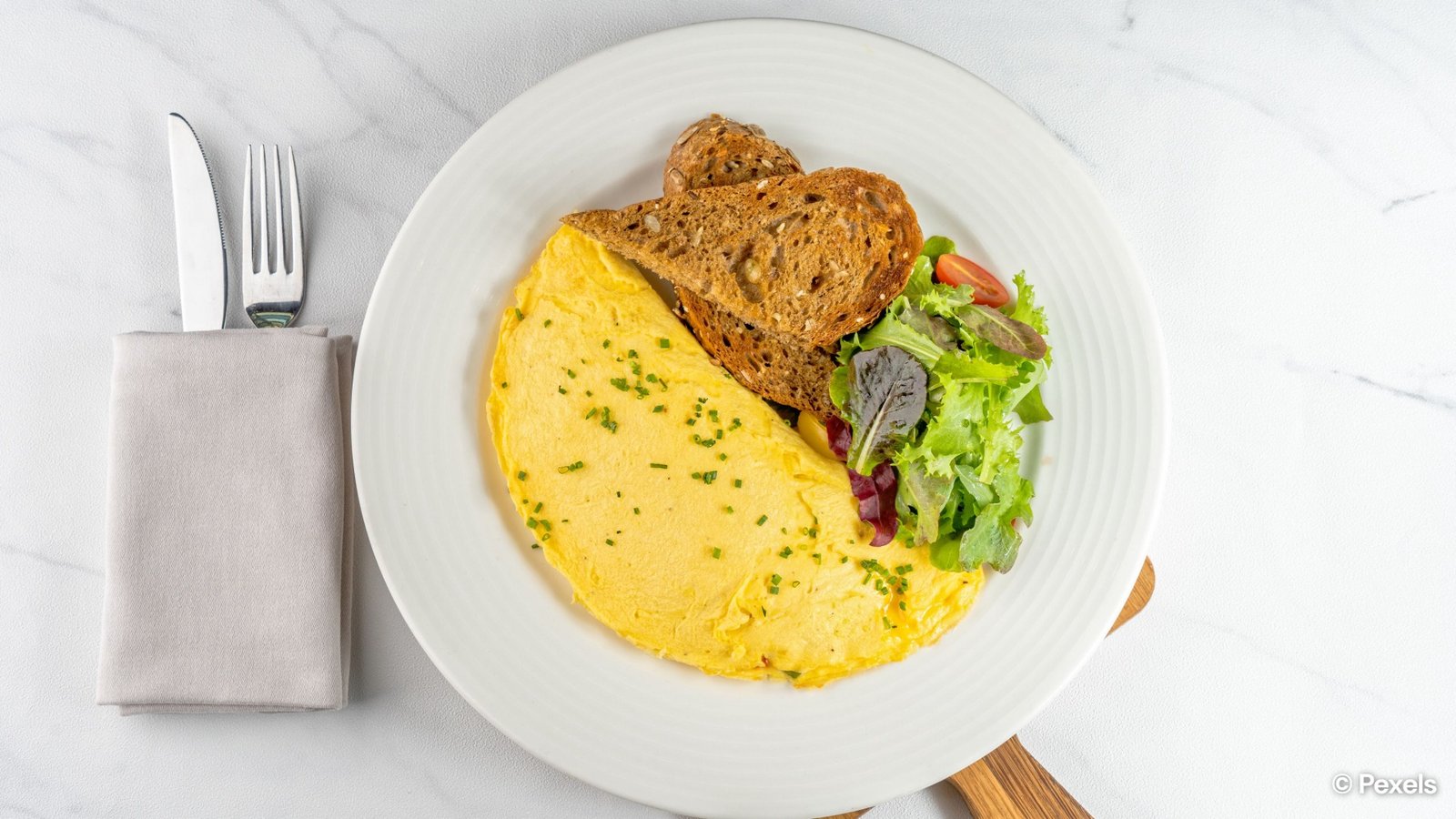
Place the omelette on a warm plate, seam side down. To give a shiny appearance, rub a small amount of butter on top. Serve at once, sprinkled with chopped chives or black pepper (also center is still soft and creamy).
Tips for success
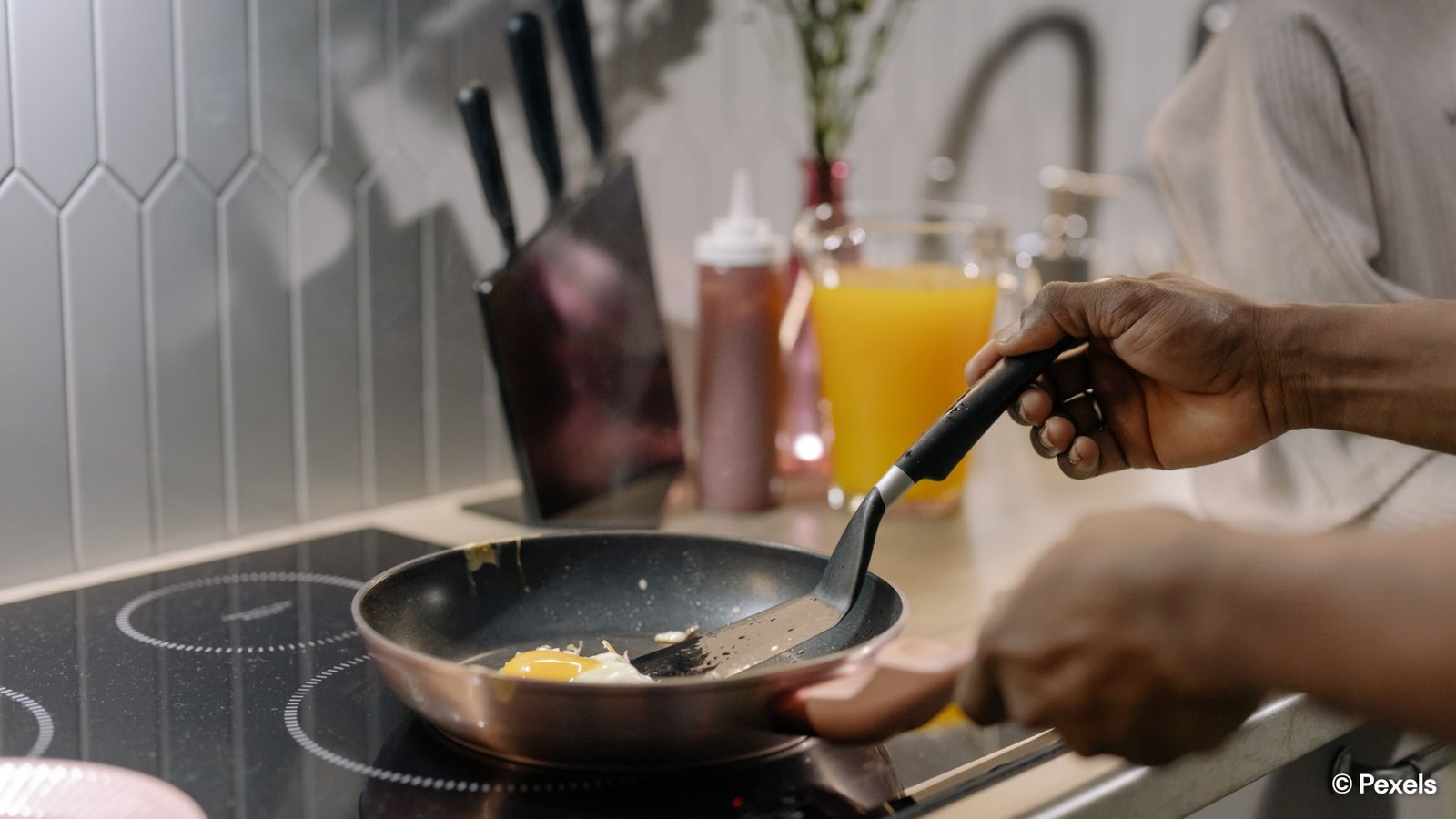
Don’t cook too high; eggs will become rubbery. Do use fresh eggs, and a good nonstick pan. If the first one is not perfect, don’t worry. As with most classic techniques, the French omelette is more easily mastered with practice.
Easy variations
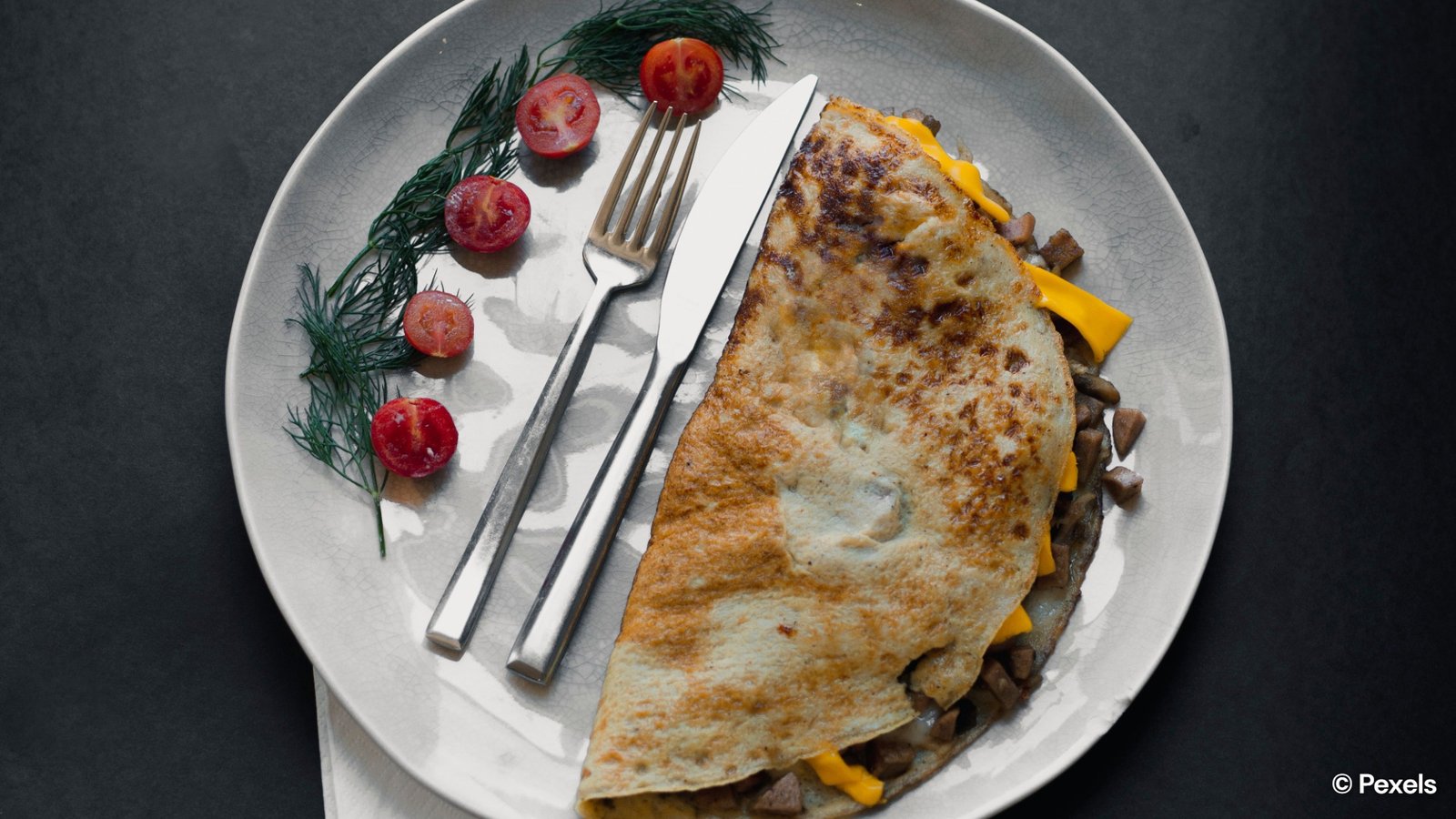
After mastering the basic version, experiment with a bit of grated cheese, sautéed mushrooms or fresh herbs added before rolling. Fillings should be light-colored and not too strong, or they will tear the soft, buttery omelette or give it an overpowering taste.