It is something to consider: What does a greeting mean, or what does it imply? In many different countries, a greeting can be a sign of respect. It can also acknowledge someone’s age, and it can help people feel welcomed. A simple hello can surely start a conversation, but being thoughtful is a bit typical. However, some cultures have done it very gracefully. Let’s have a look at 9 countries that reveal how people start a conversation and build connections just with a greeting.
Japan with Their Deep Bows
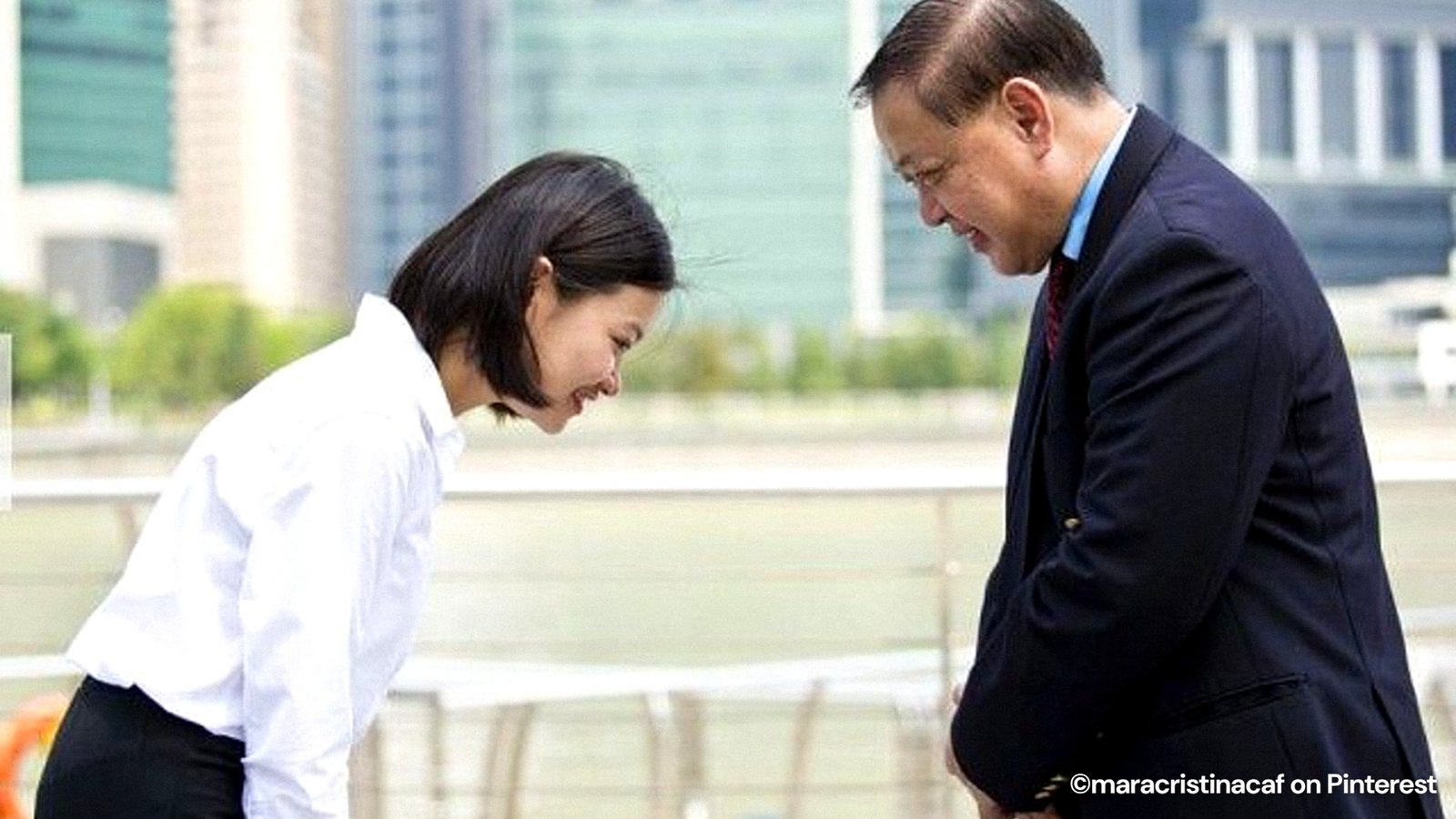
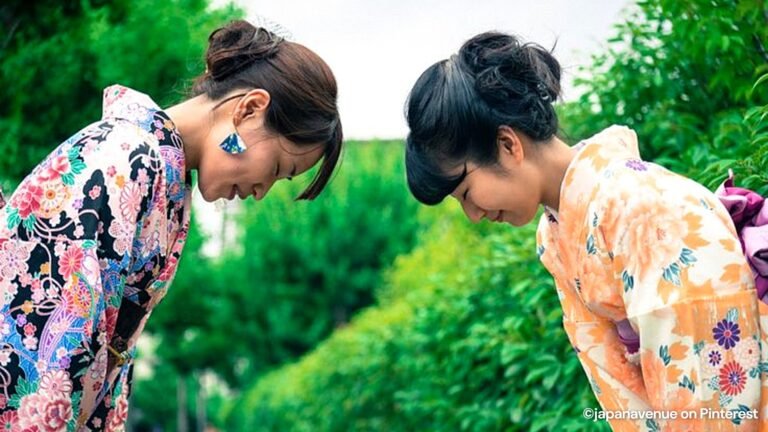
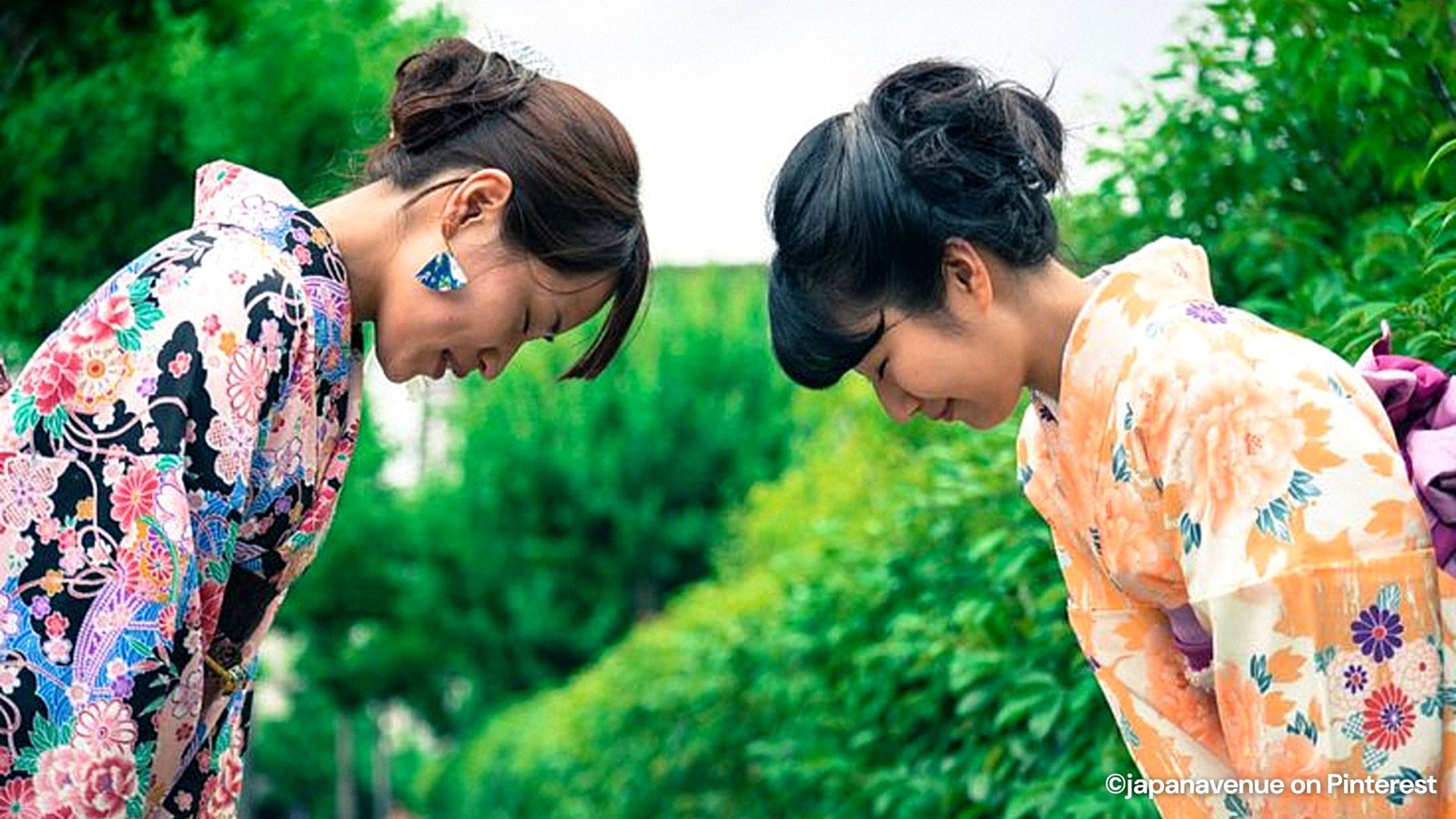
The Japanese bow is popular around the world. In fact, it is said that the depth of your bow as a Japanese person reflects your respect toward the other person. In formal settings, a bow works the best, while in casual interactions, it can differ.
Thailand with Their Wai
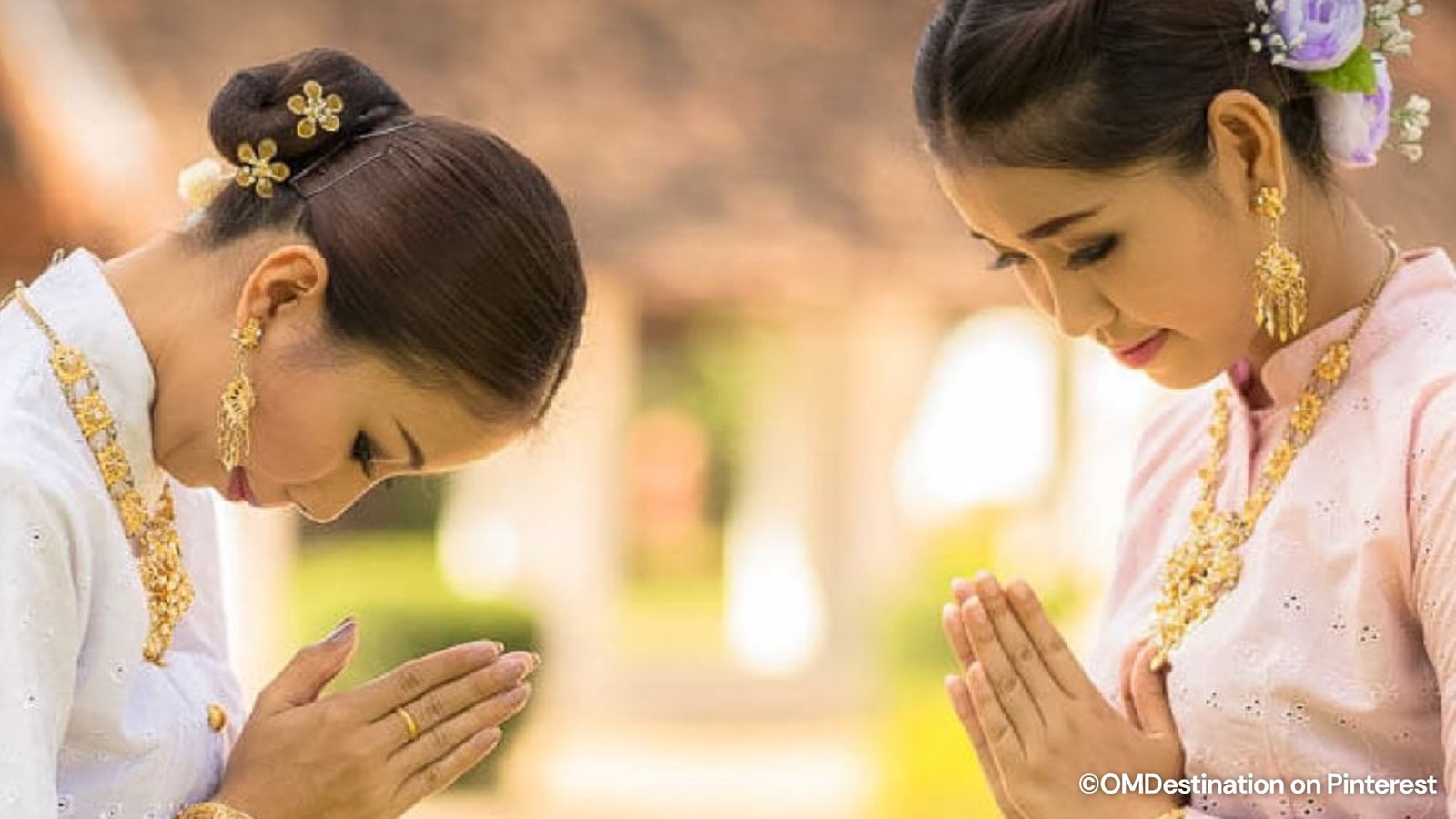
Thai people greet others with the wai by joining their palms and slightly bowing their heads to show gratitude and respect, and it doubles as an apology. However, this also differs as per the situation and can vary in an informal setting.
India’s Namaste
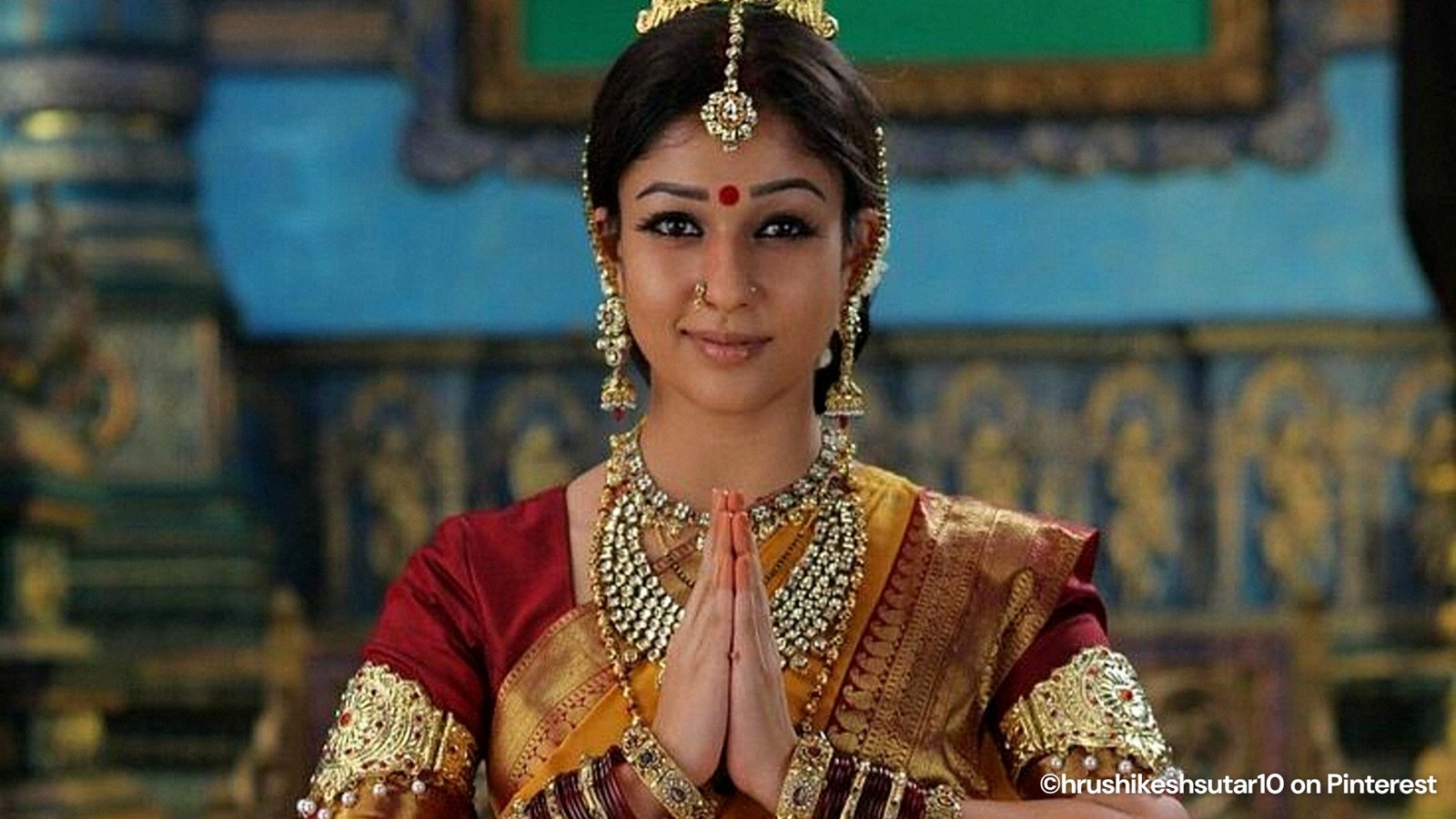
India is rich with different cultures, and similarly, the form of greeting varies region by region, culture by culture. ‘Namaste’ includes joining your palms together to express acknowledgment, show respect and welcome the other person, as required by the situation. The same gesture is applied in very different settings, with spiritual and religious contexts involved as well. However, as stated before, Namaste is just a small part of the varied culture of India.
New Zealand’s M?ori Hongi
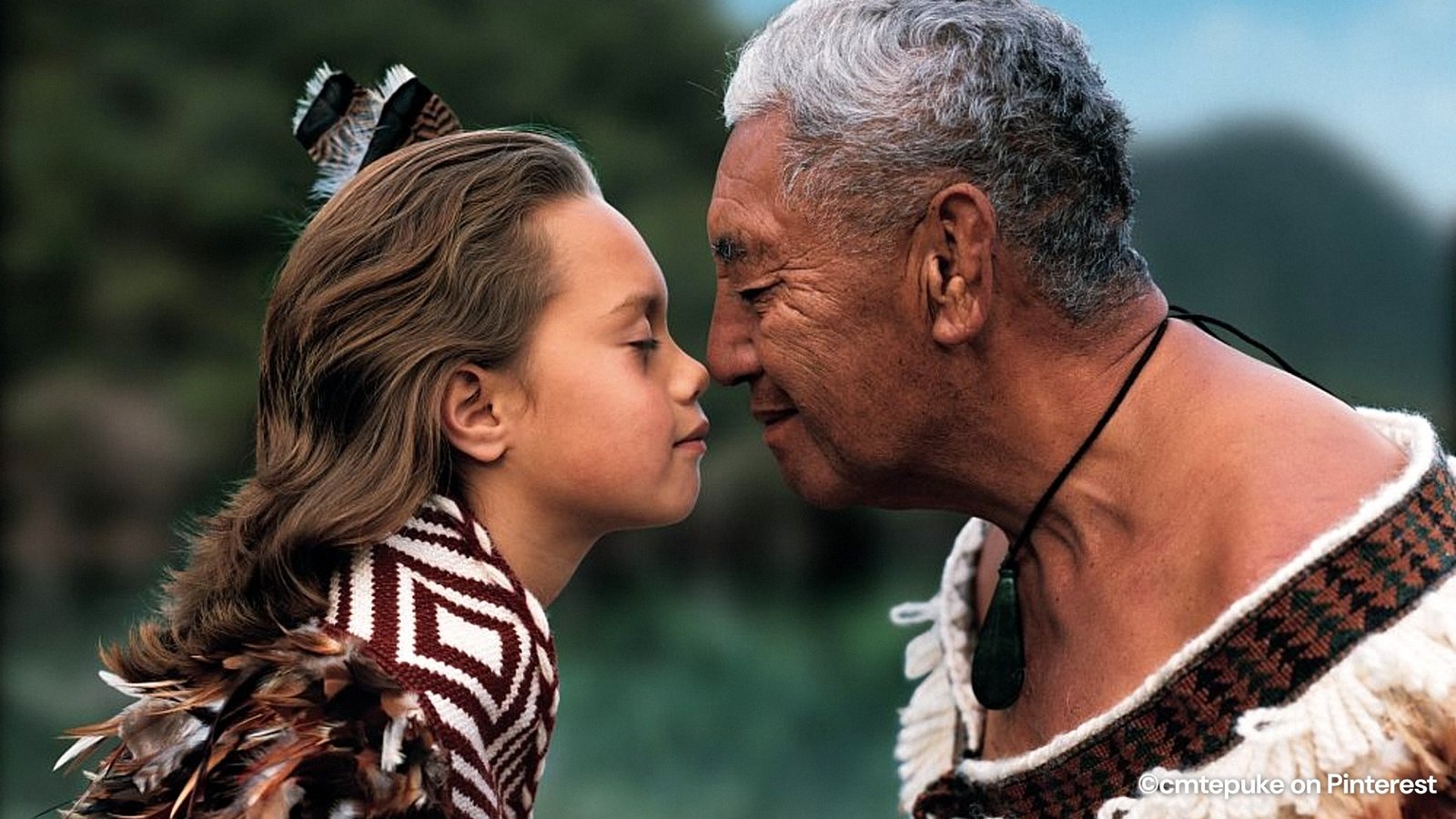
Hongi is a traditional M?ori greeting in which people press their noses or foreheads together. The cultural significance behind this goes beyond an ordinary introduction and represents inclusion. The idea is to share the same breath, which is why it is also used in formal welcomes and cultural gatherings.
France and Their Social Ritual of La Bise
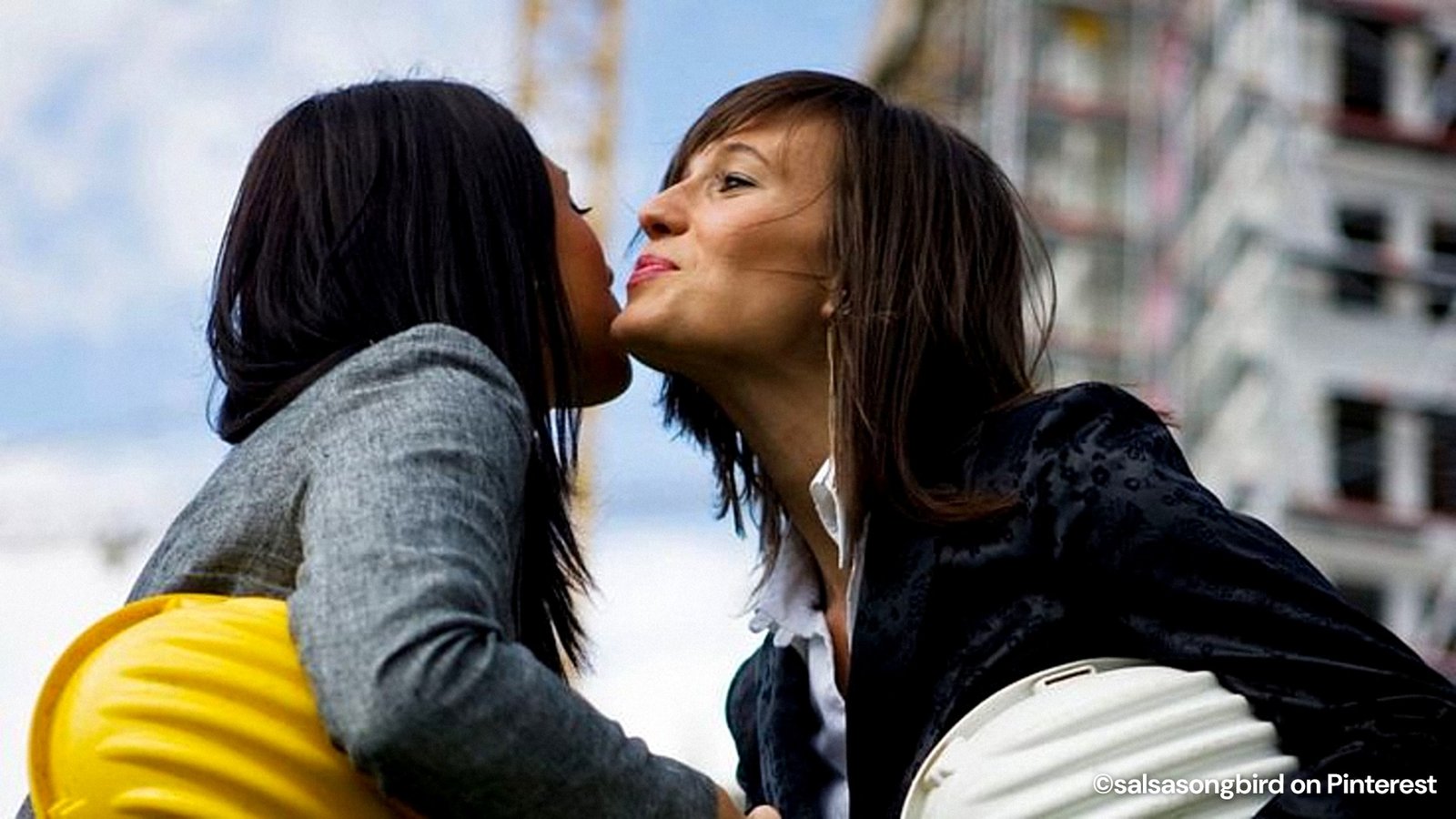
France’s greeting ritual involves a cheek kiss, which is also known as La Bise. Although it’s common among friends, relatives, and acquaintances, using it as per the situation is important, and the custom varies by region and relationship. It takes time to understand when to offer it and to get used to it.
China Asks About Well-Being
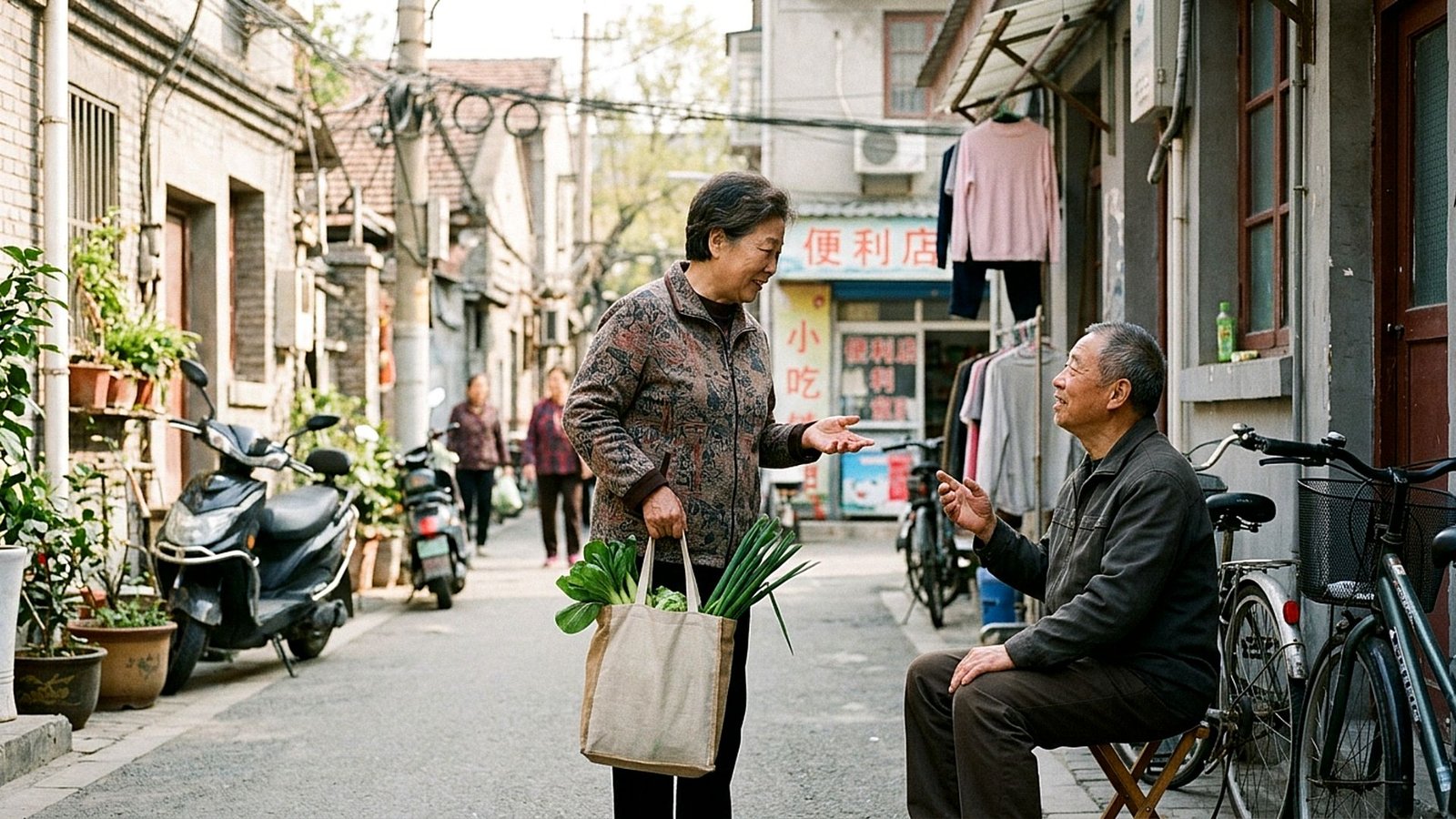
Chinese greetings include phrases that ask about a person’s well-being, while in some contexts, asking whether someone has eaten also serves a similar purpose. Please note that these are not used by everyone. Yet, they still imply that questions can sometimes double as greetings and help express concern for other people.
South Korea
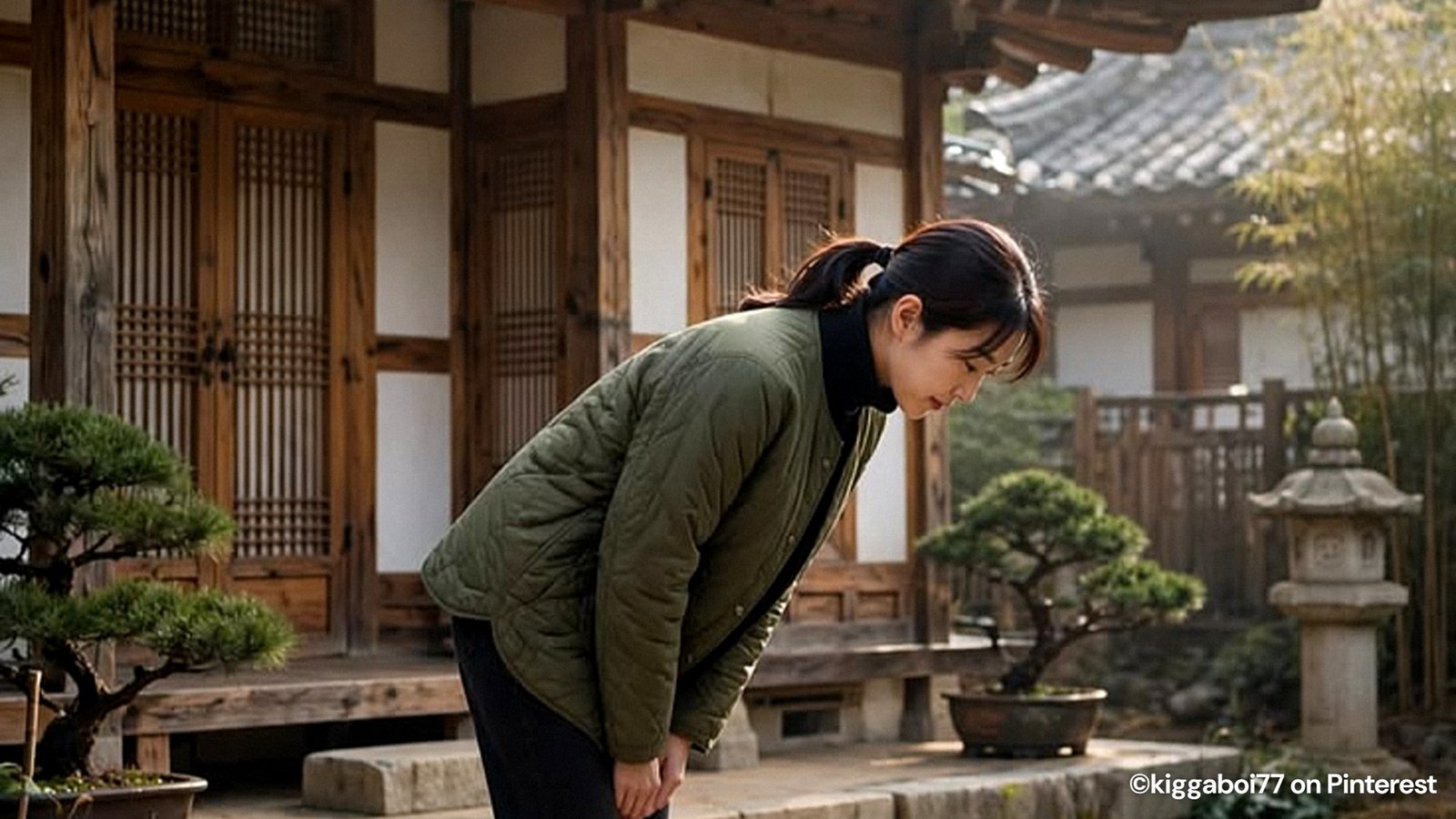
In South Korean greetings, a slight bow or nod is much more observed. More than the nod itself, the greeting that follows is given more importance. In professional settings, formal speech is looked forward to, and respect is expected to be communicated clearly. Both the gesture and the greeting are important in South Korean culture.
Kenya
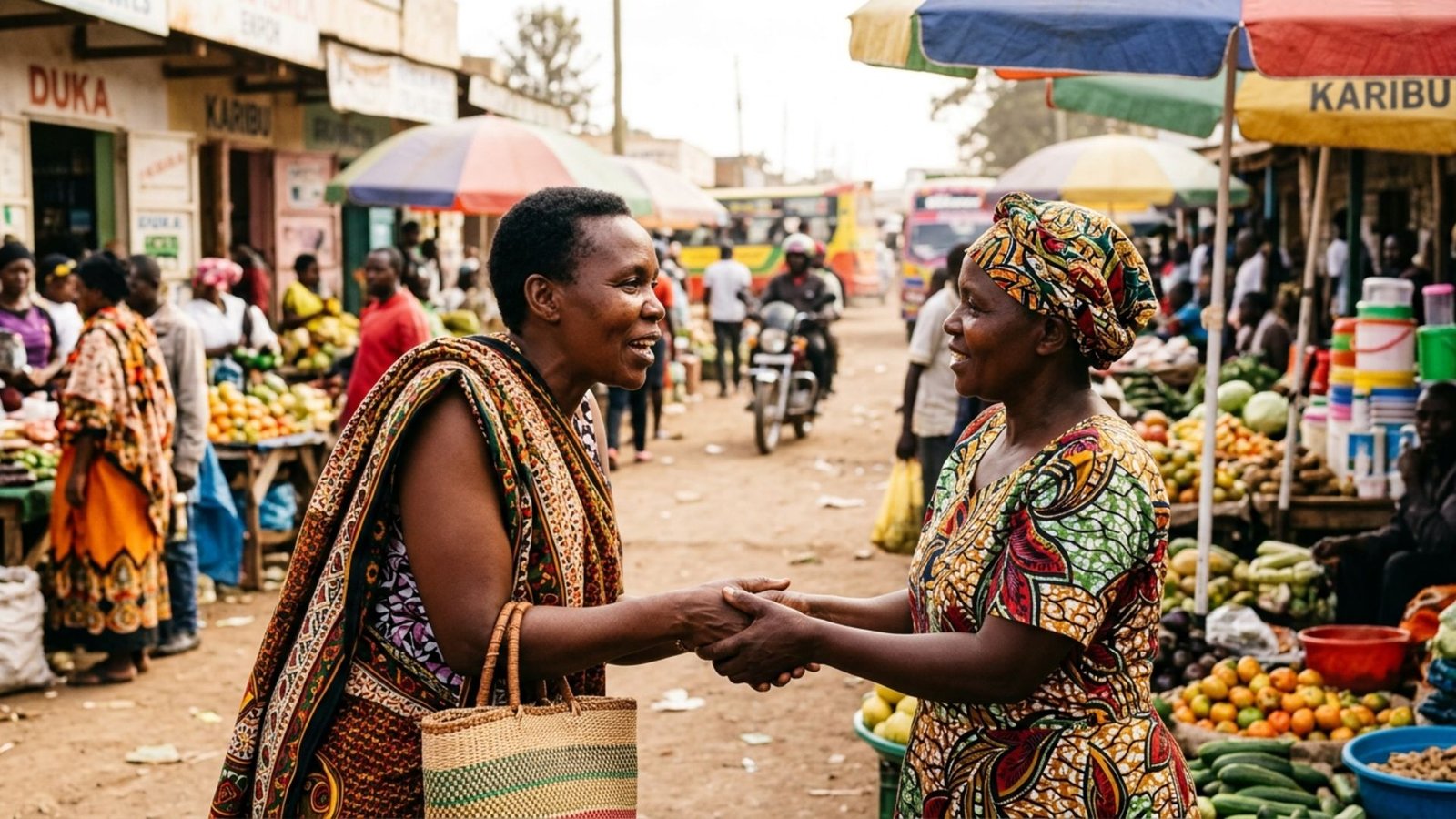
In Kenya, people also ask questions as a form of greeting, such as “Habari?” These greetings also differ depending on the situation, setting, and relationship. It may involve more than a brief exchange before communicating further, so this creates a better opportunity to acknowledge someone rather than treating it as a quick transaction.
The Philippines’ Gesture for Respect
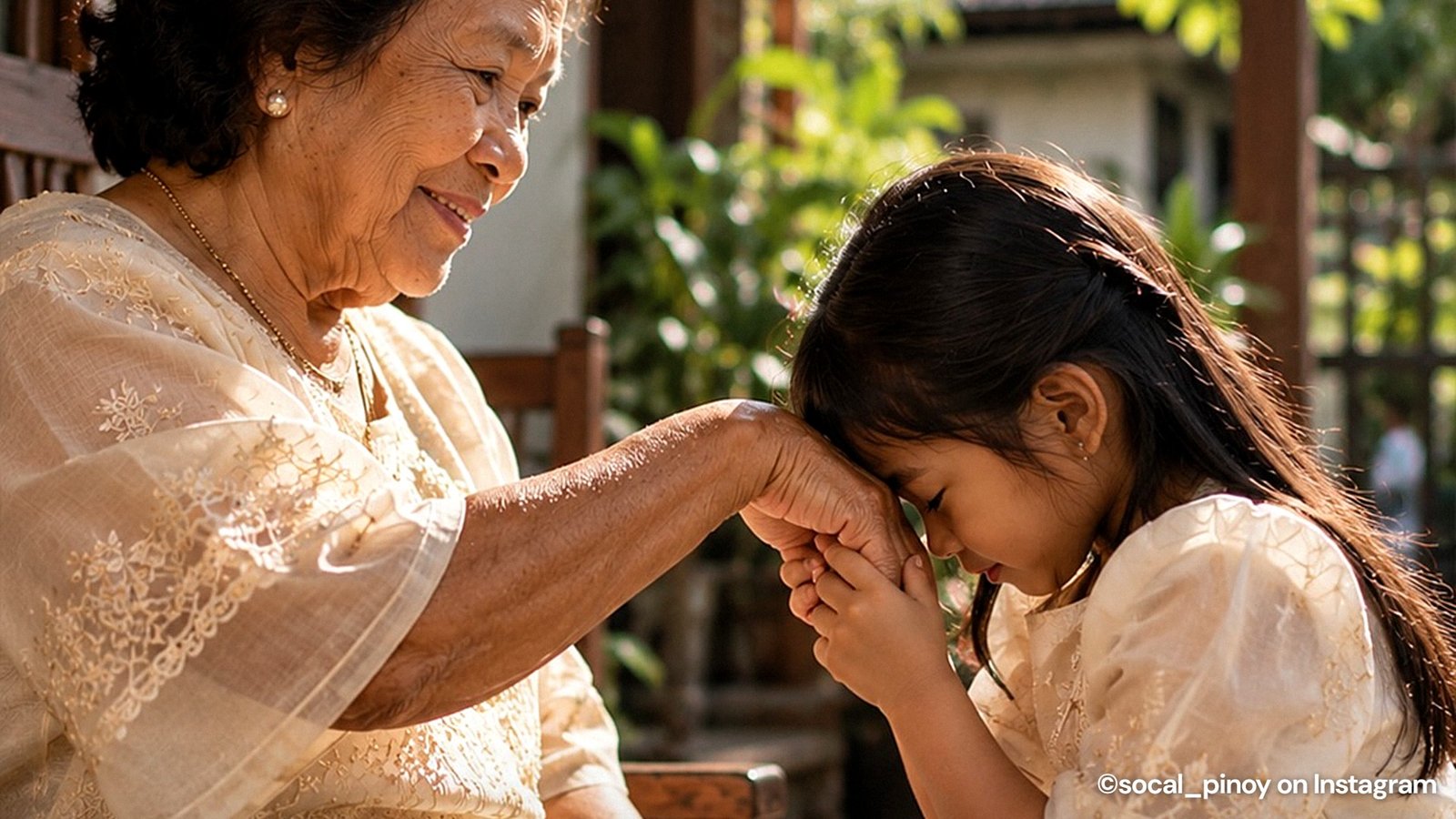
In the Philippines, younger children take the back of the hand of elders and bring it to their foreheads. This gesture shows a sign of respect toward the elders and is known as Mano. The gesture truly expresses affection and, of course, recognizes the elder’s place in the family.
Greet with Love and Respect

A casual greeting like hello or hi might seem inappropriate in these cultures, but it is just a difference in values and perception. Greetings vastly depend on the cultures and social backgrounds of people from all around the world. However, when traveling, it is best to consider these cultures and their greetings as a basic form of respect and also as a way to help start a conversation easily.