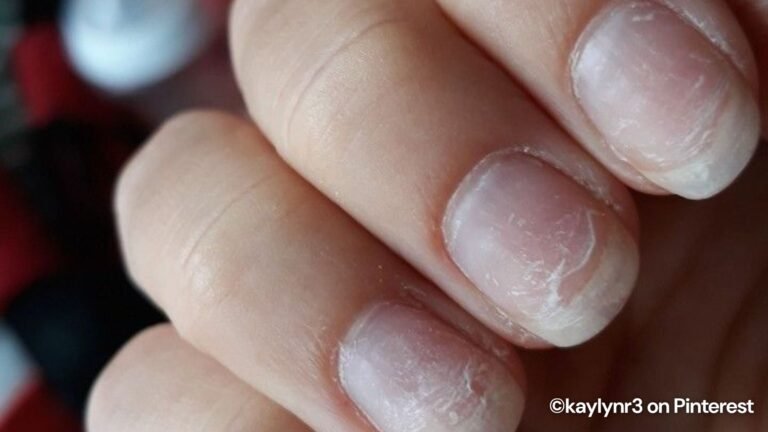
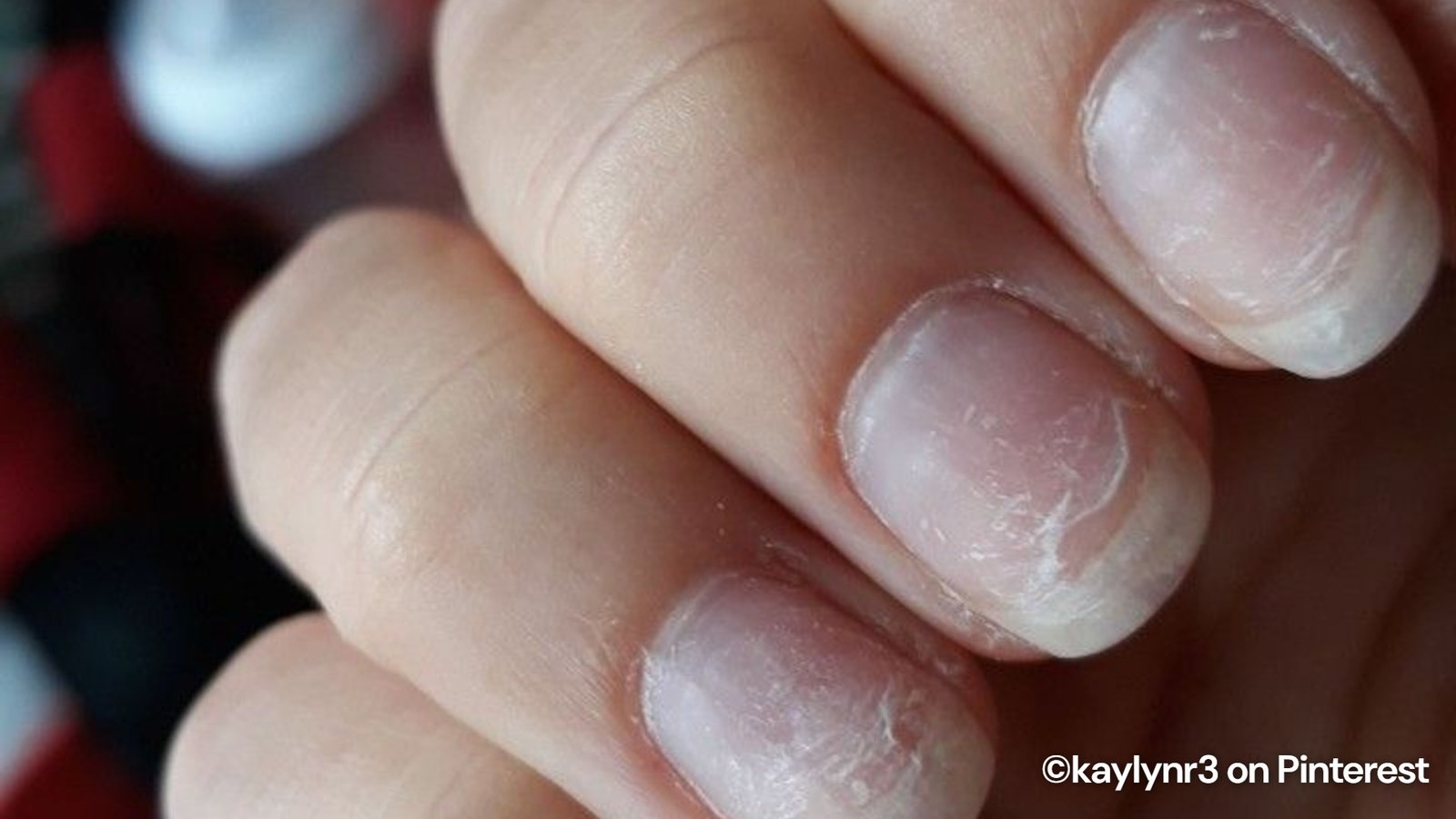
So you took off your favorite nail polish and noticed some weird white chalky spots looking back at you. Please do not panic right away because we have honestly all been there. It is super common to see these patches after a fresh manicure comes off. Before you run to the internet and expect the absolute worst let us talk about what is actually going on. Here is exactly what those little white spots on your nails could mean and how to handle them.
They are called keratin granulations
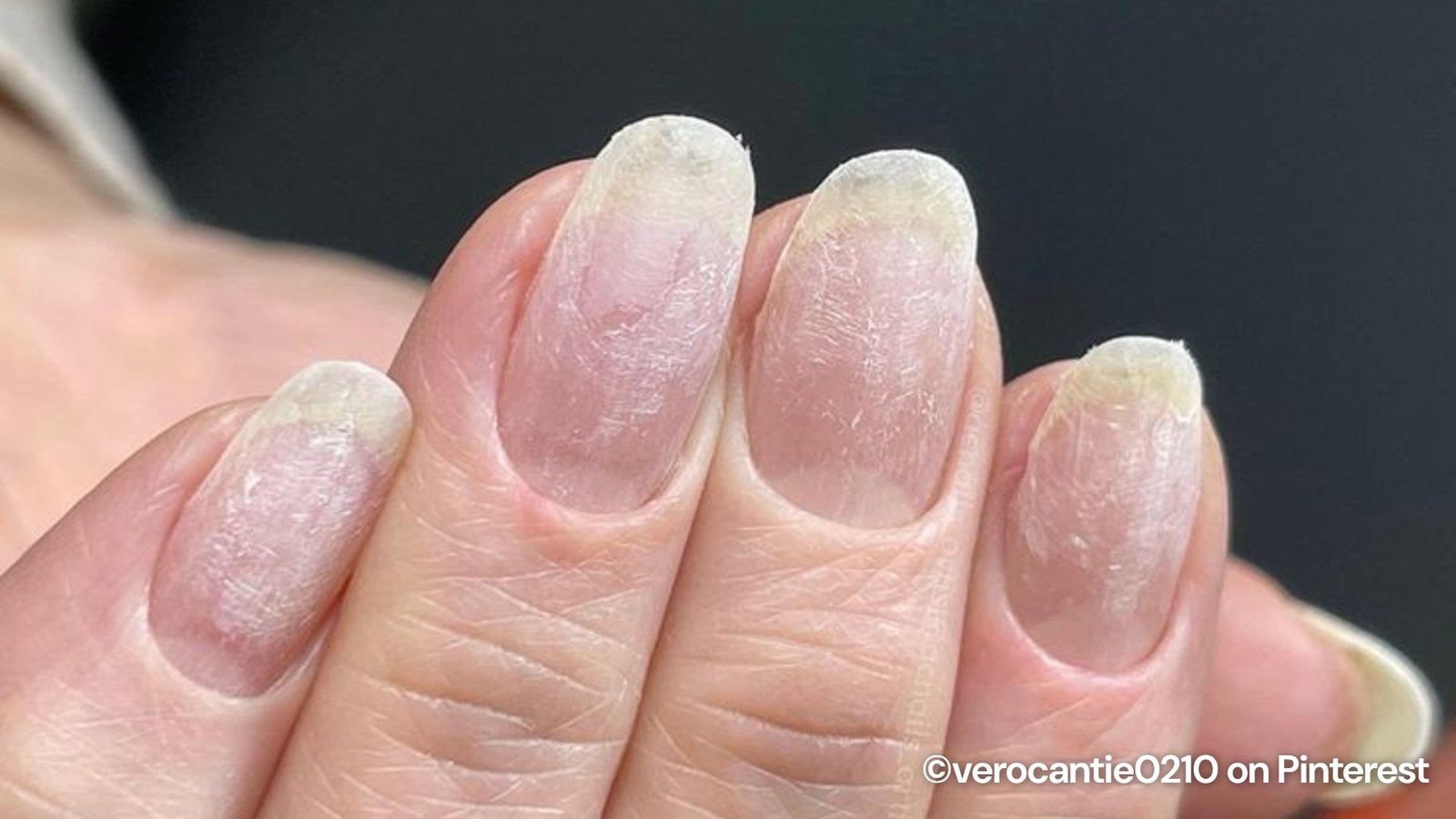
Have you ever wondered what those chalky patches actually are? Experts call them keratin granulations. Basically this means the very top layer of your nail got a little bit damaged and dried out from all the chemicals. It looks a bit scary but podiatrists say it is completely harmless most of the time.
Dehydration is the main culprit
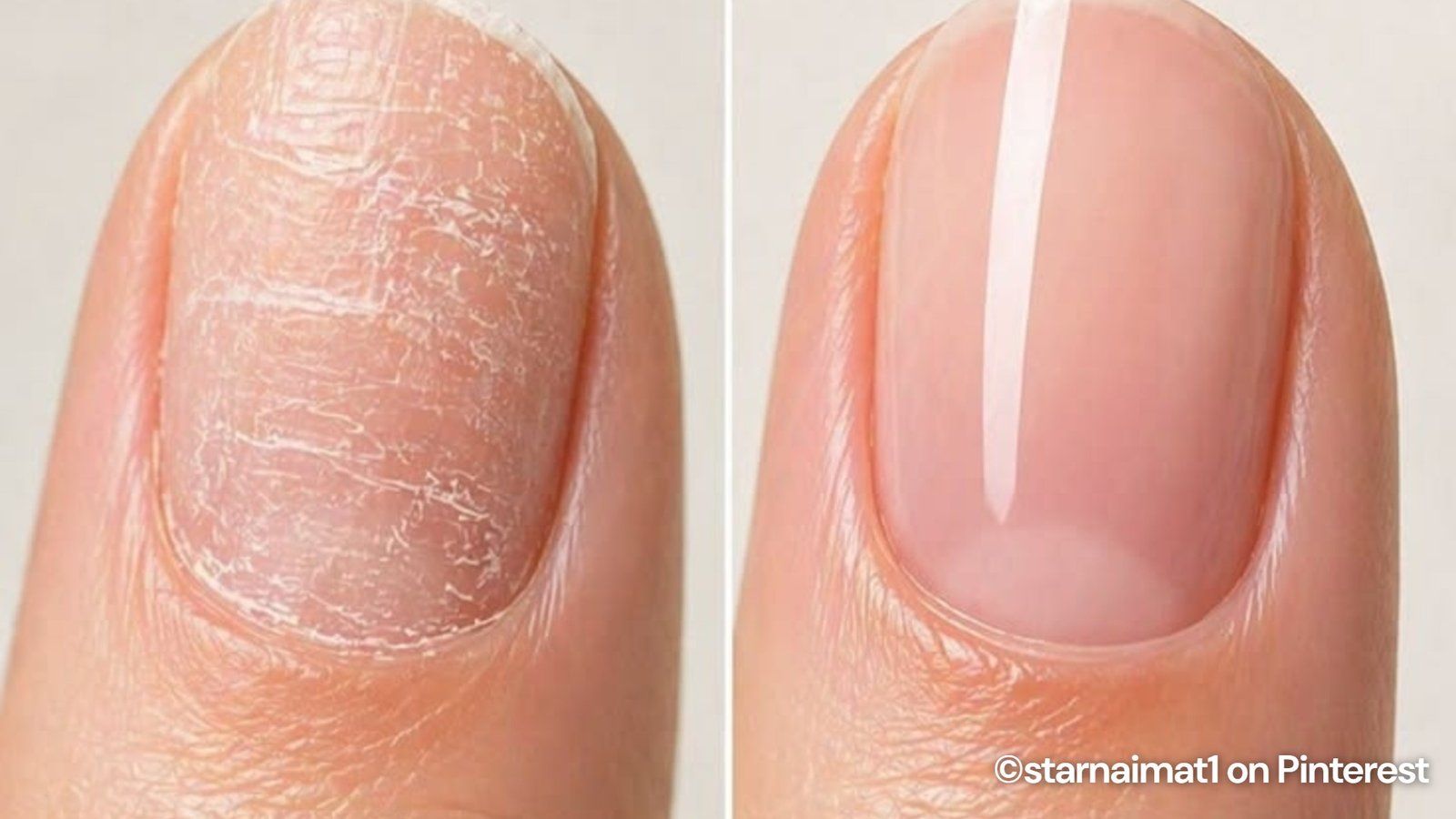
The way your skin requires moisture, in the same way your nails also need moisture. Leaving polish on for weeks basically suffocates the nail surface and sucks all the hydration right out of it. When that surface gets way too dry it leaves behind those lovely white marks we all dislike.
Peeling off polish makes it worse
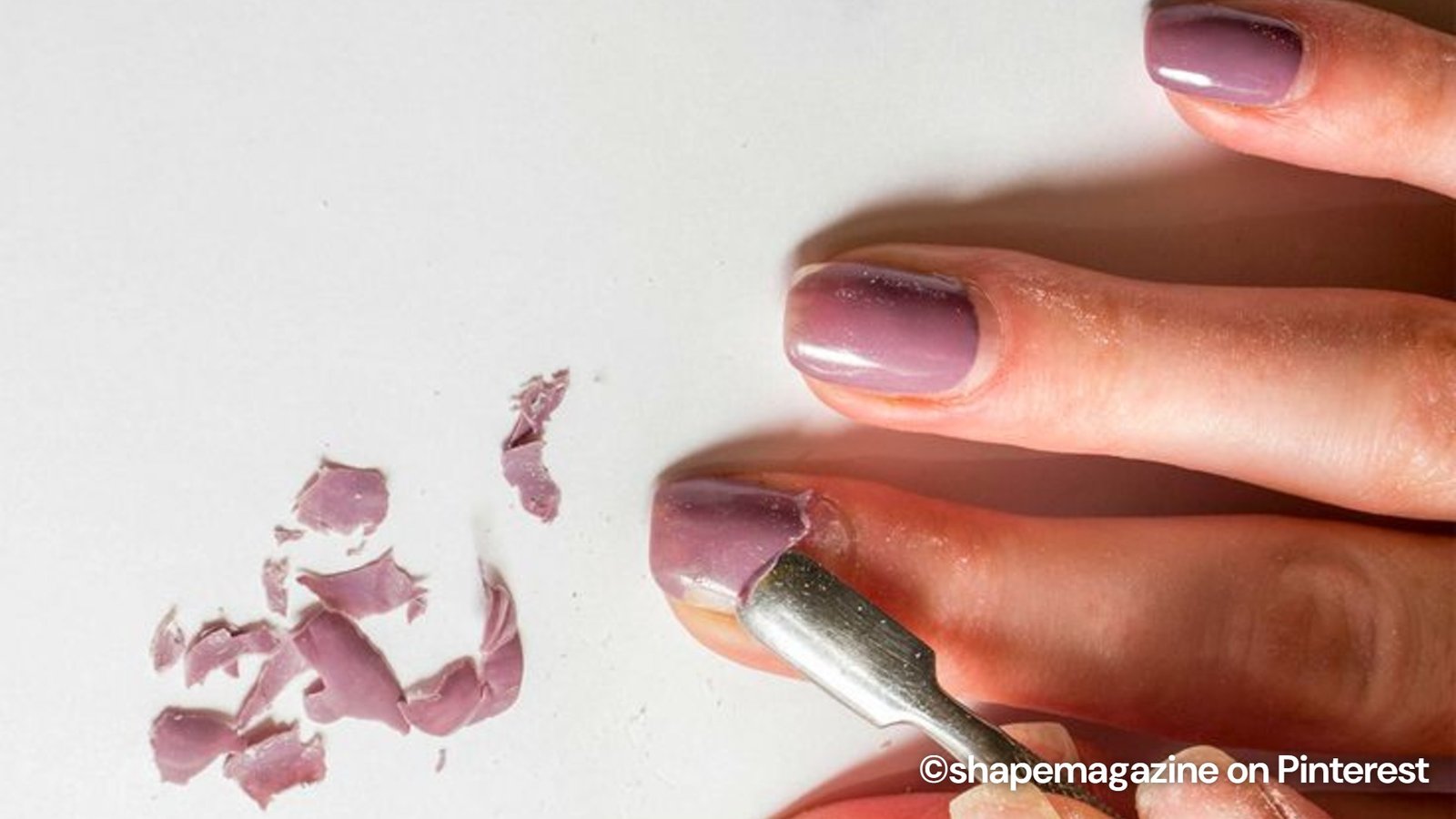
We all know how tempting it is to pick at chipping gel polish while watching your favorite shows on the couch. But pulling that polish off actually rips away the top layer of your nail cells along with the color which causes a lot of physical trauma. And that trauma is exactly why you end up with those white spots staring back at you.
Acetone polish removers are super harsh
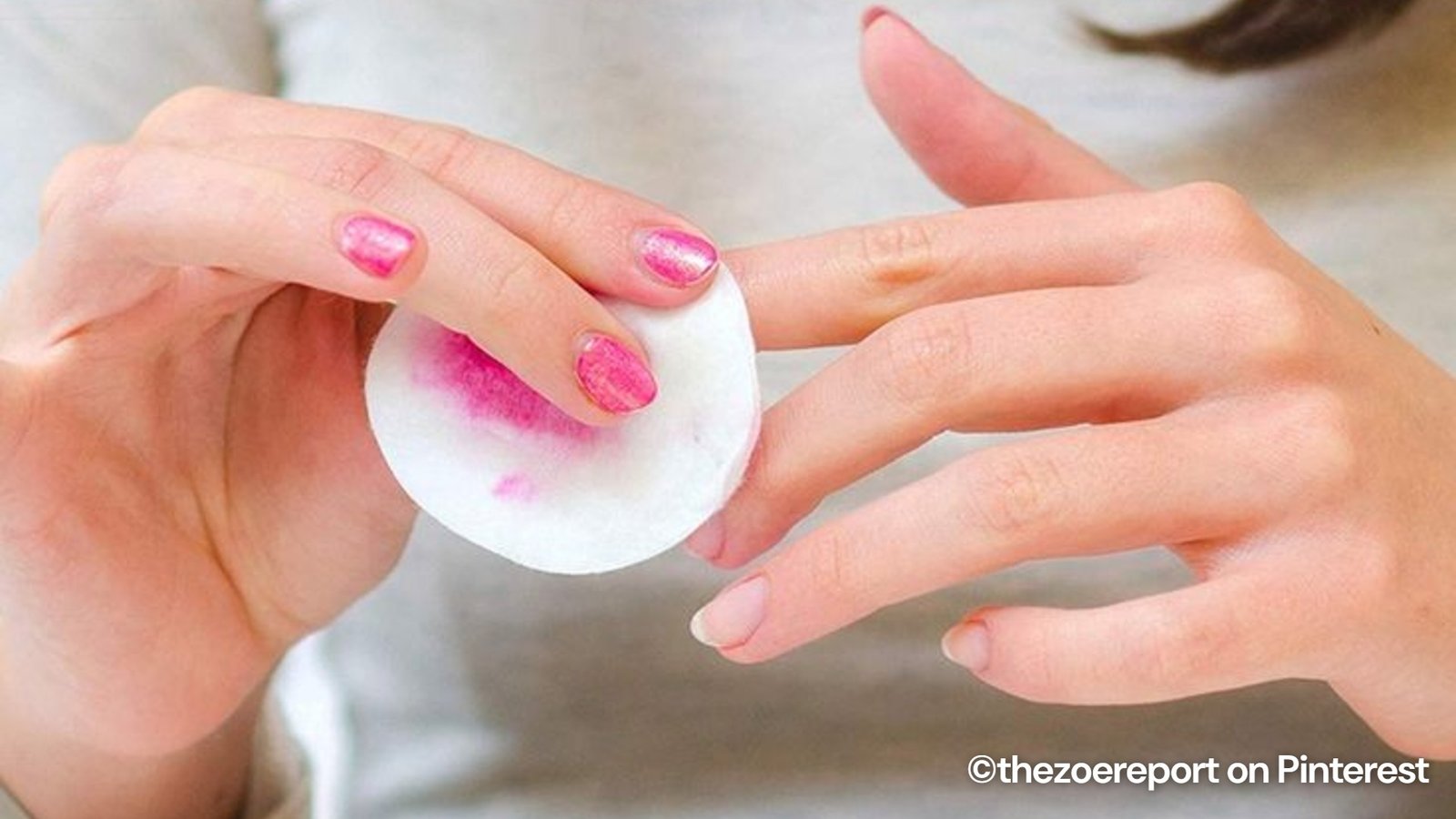
That strong smelling liquid you use to wipe off polish is incredibly drying for your hands. According to Harvard Health reports these harsh chemicals strip away natural oils really fast leaving the surface totally parched. You might want to switch to an acetone free remover because it is so much gentler on your already fragile nails.
It might not be a fungal infection
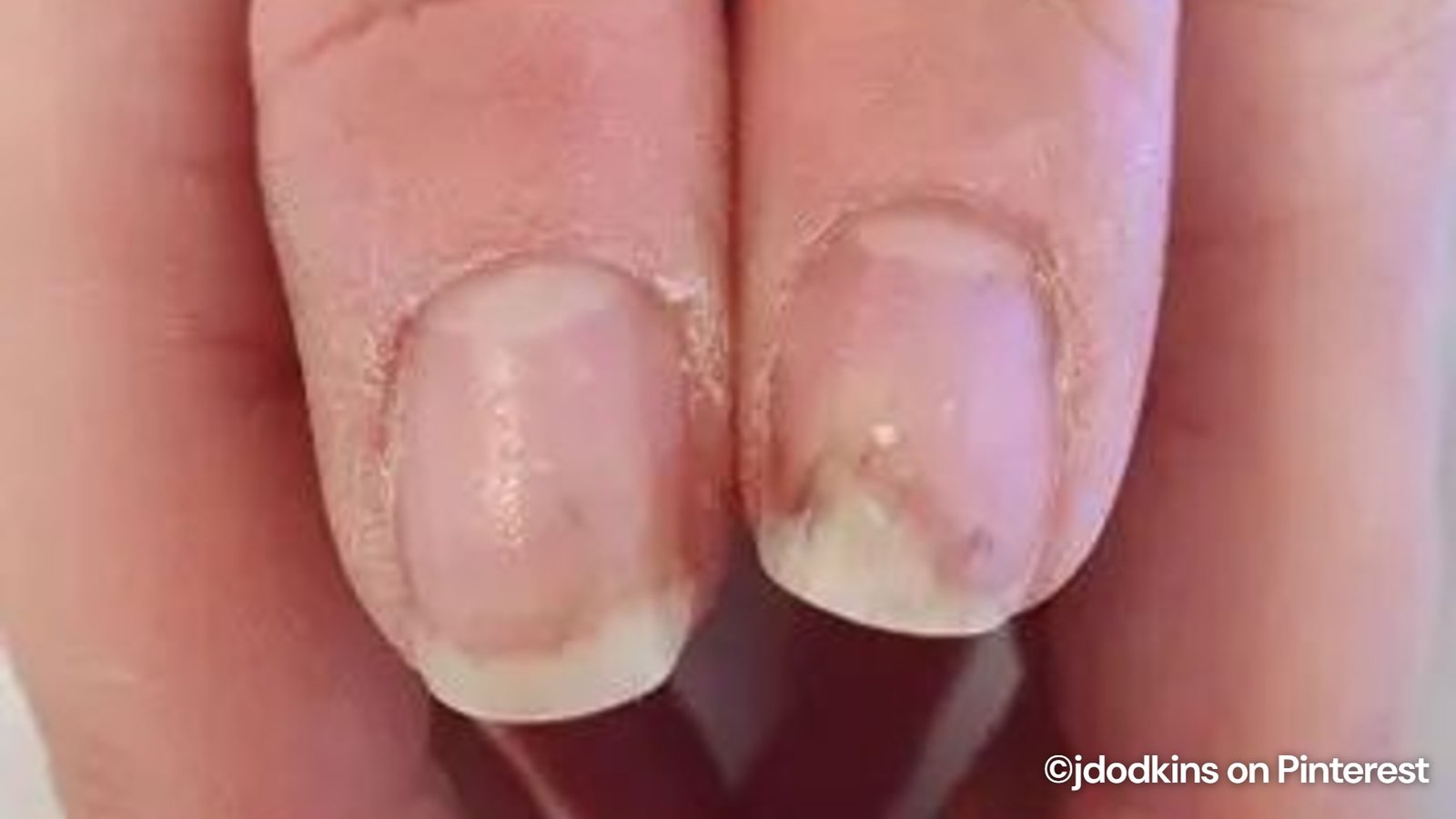
A lot of people worry when they think a nail salon gave them an infection. There is a condition called white superficial onychomycosis. It can look similar to keratin granulations, but it is a different problem. In true fungal cases, the nail often gets thick, or it breaks apart and crumbles. If the nail does not have that kind of change, it can point the doctor toward the right explanation.
Your nails need a little vacation
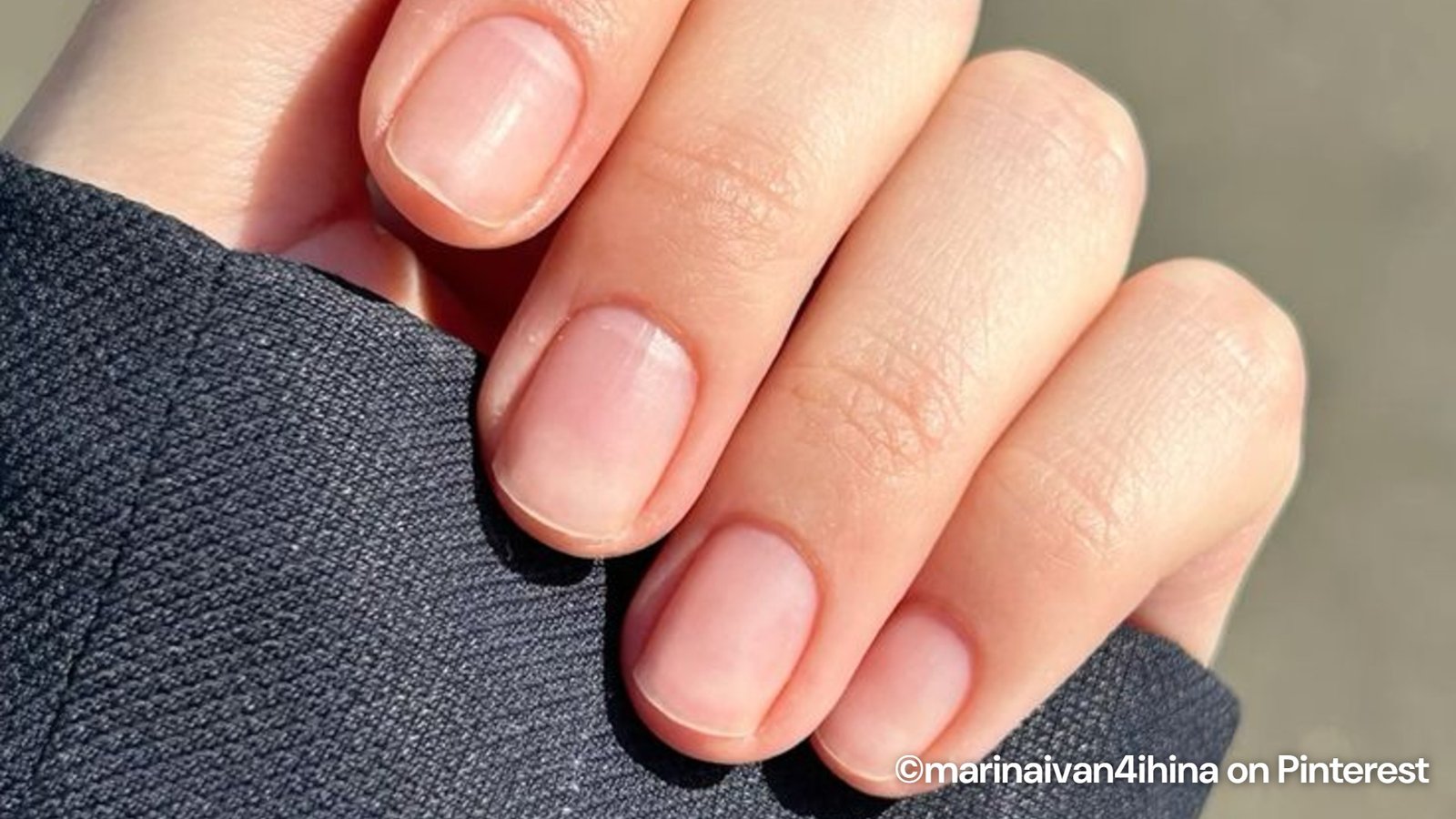
Those pale white marks usually clear up once you stop covering the nails with polish. Remove it all and leave the nails bare for about two weeks. The spots do not improve if you keep adding more products on top, especially when the nails are not getting fresh air. Every few months, give your nails a break from polish so they can get their strength back.
Hydration fixes the problem fast
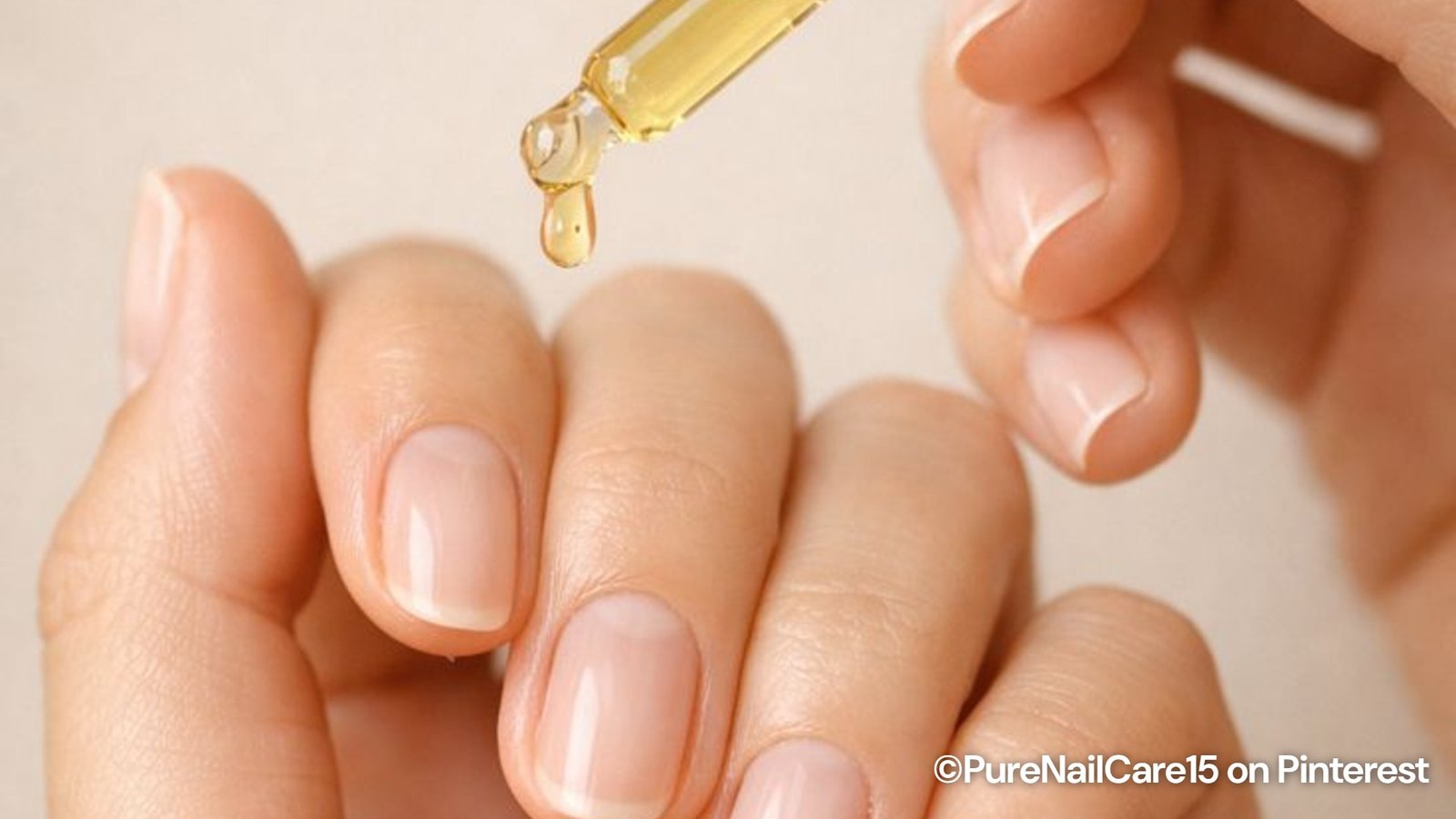
Dry chalky marks on your nails after manicures often fade when you add moisture back. You can massage a good thick cream over the plain nail every morning and evening. Cuticle oil is another great choice, while lotions with urea help a lot since they sink down deep into the nail plate.
Gentle buffing can sometimes help
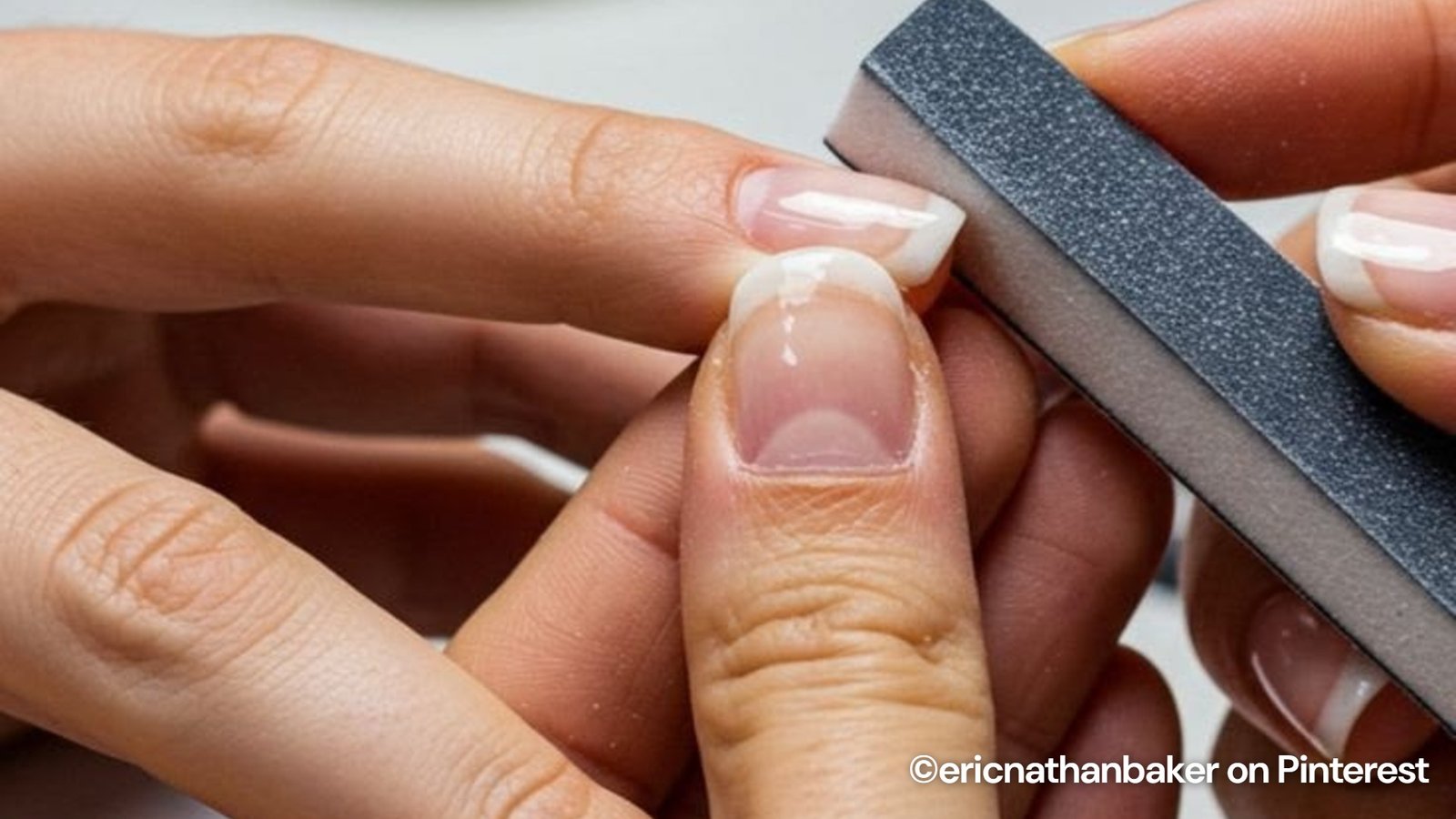
A soft buffer can help blur those weird chalky nail marks if you use it right. Do not push down hard, since filing off the whole spot thins your nails until they turn delicate and weak. A light rub across the top is really the best way to get things smooth.
Prevention is totally possible
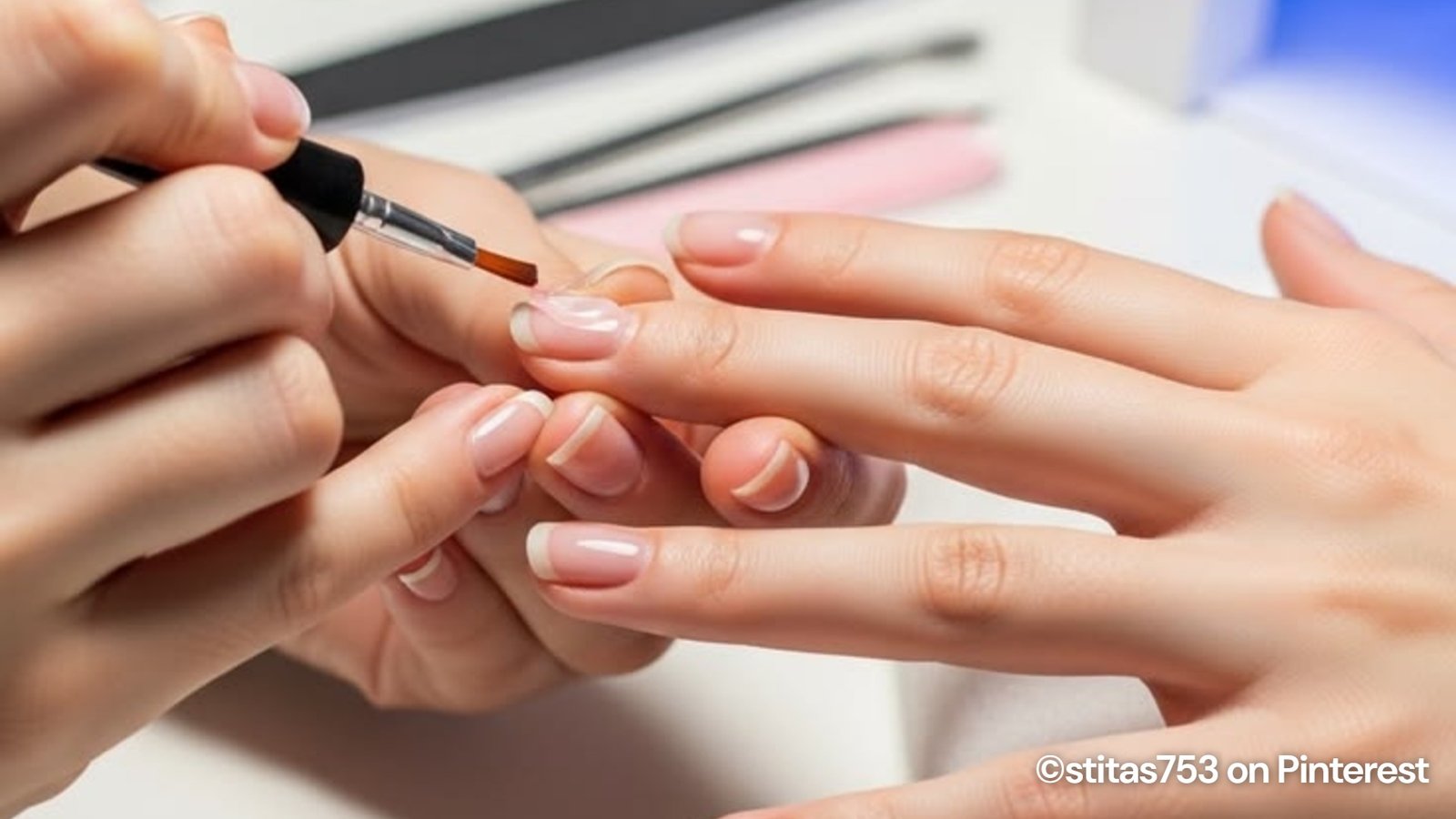
Many manicurists mention you can avoid these white spots from happening again by just tweaking your regular manicure routine. Using a really good base coat creates a nice protective barrier between the colored pigment and your natural nail. Also moisturizing your hands daily even when you have polish on goes a very long way in keeping things healthy.
When to ask a professional

Usually, the white spots go away by themselves in a few weeks. This often happens with good water intake and enough rest. However, get checked if the spots do not clear after about a month. Also go in if you notice lifting nails or peeling or flaking. A podiatrist or a dermatologist can look at your hands and figure out what is going on. Then you can follow the right plan of care.