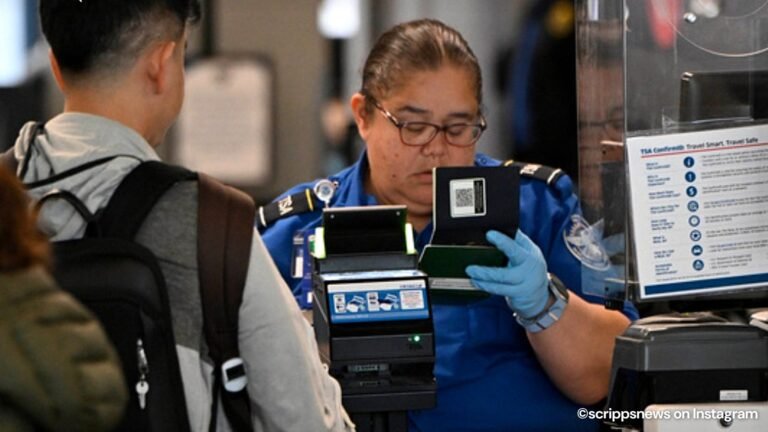
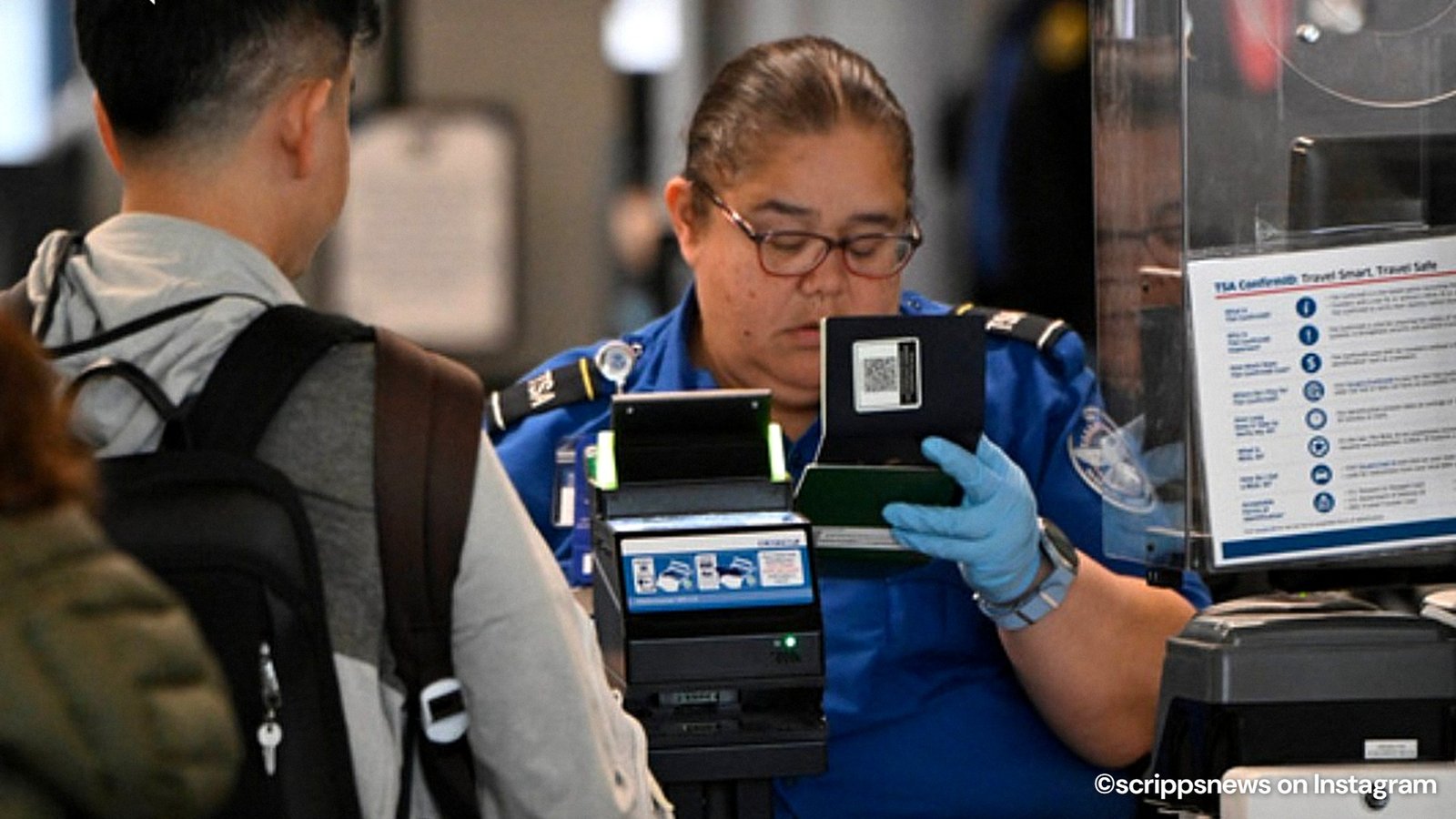
Airport security checks can be very lengthy, and to avoid any delays, you need to have the necessary documents prepared beforehand. People aged 18 or above need to present acceptable identification at Transportation Security Administration (TSA) checkpoints. It is also important to note that TSA rules can change anytime without notice. Without any further ado, let’s get into the documents that are essential before leaving your home for the airport.
REAL ID-Compliant Driver’s License
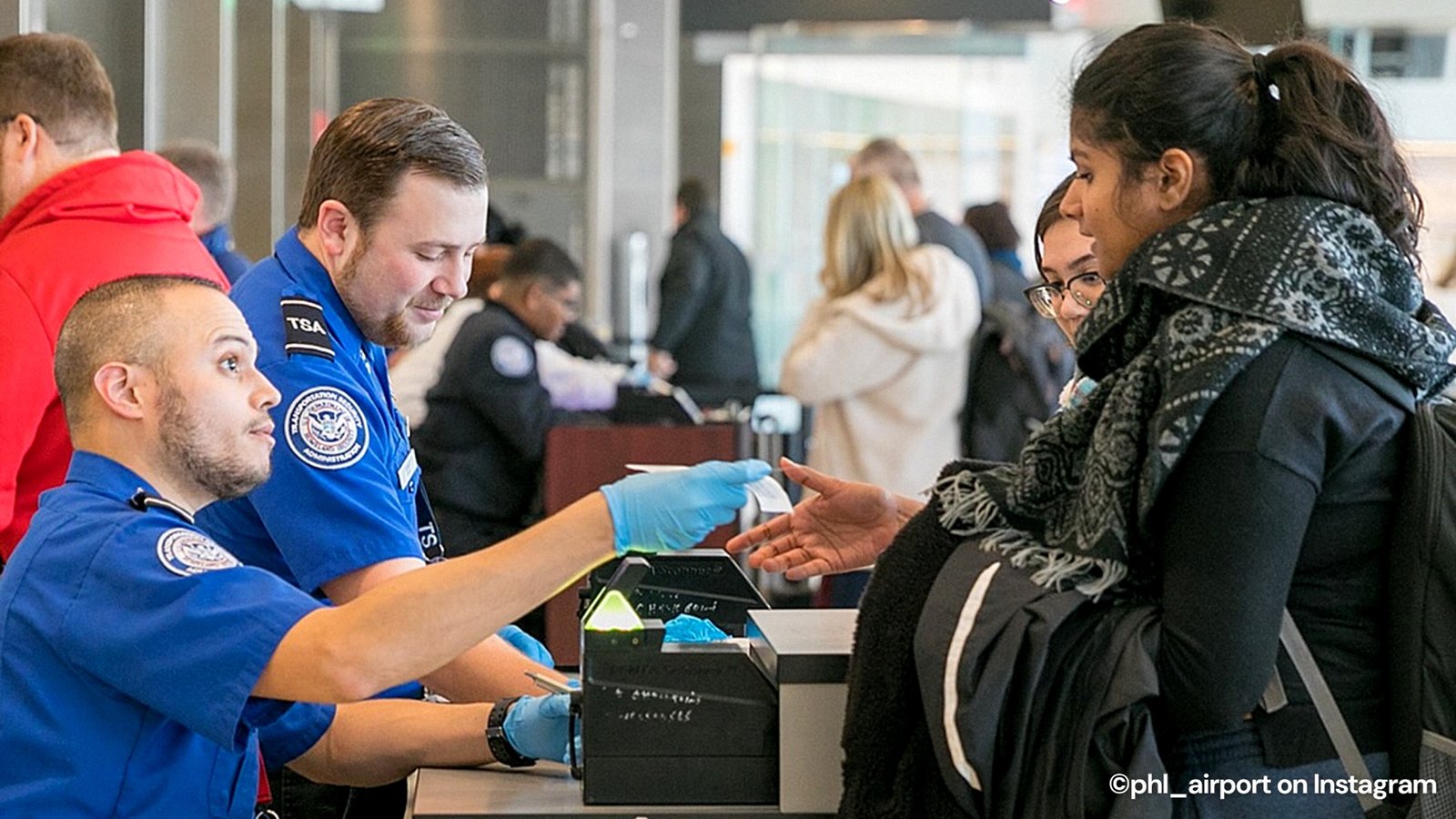
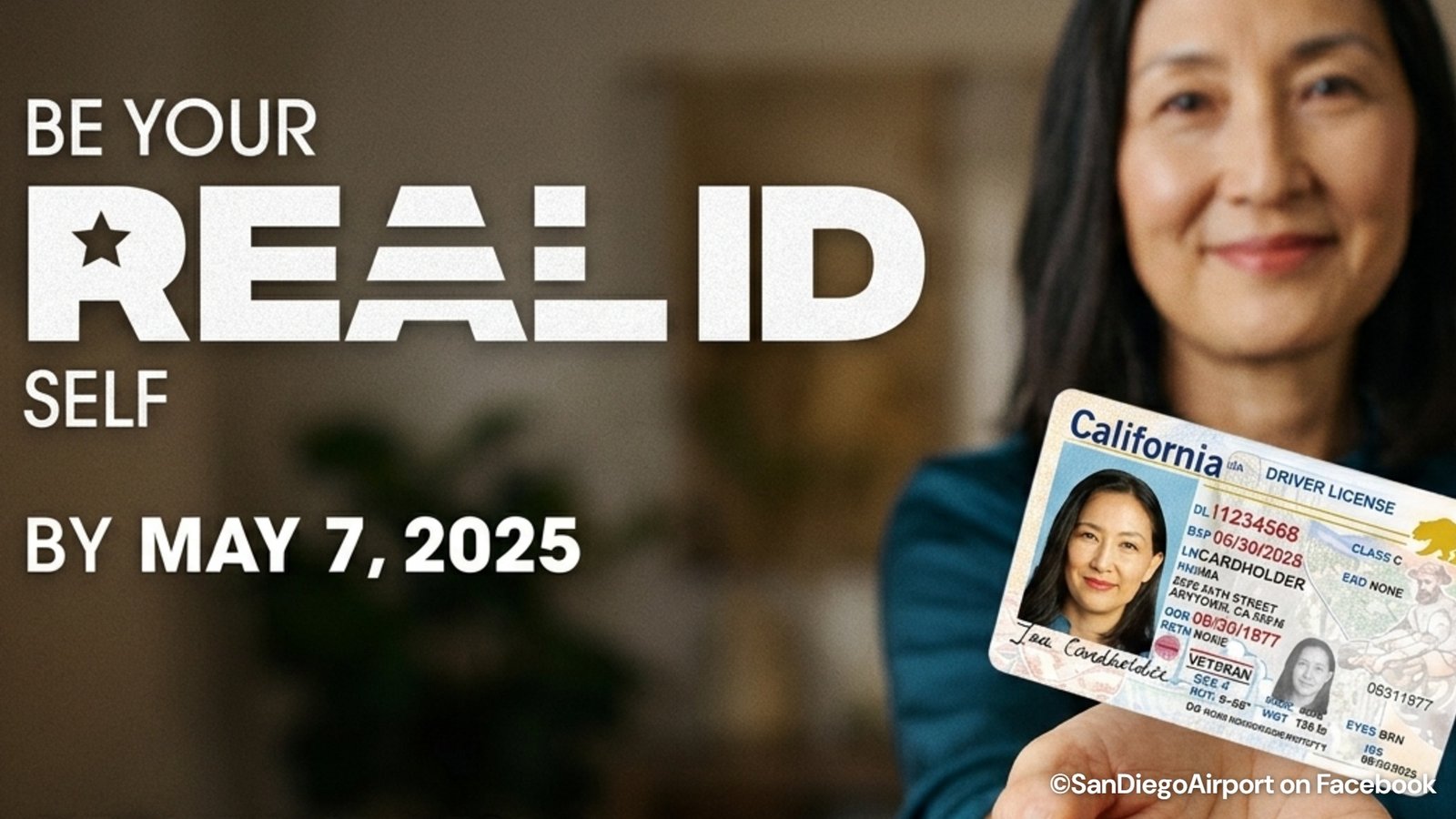
A REAL ID-compliant driver’s license is one of the most common and most widely accepted options for domestic flights in the USA. These cards carry a star marking on the top portion of the card. Since May 7, 2025,IDs that are not REAL ID compliant are no longer accepted at airports. TSA also does not accept weapon permits or temporary driver’s licenses as identification (TSA).
US Passports and Passport Cards
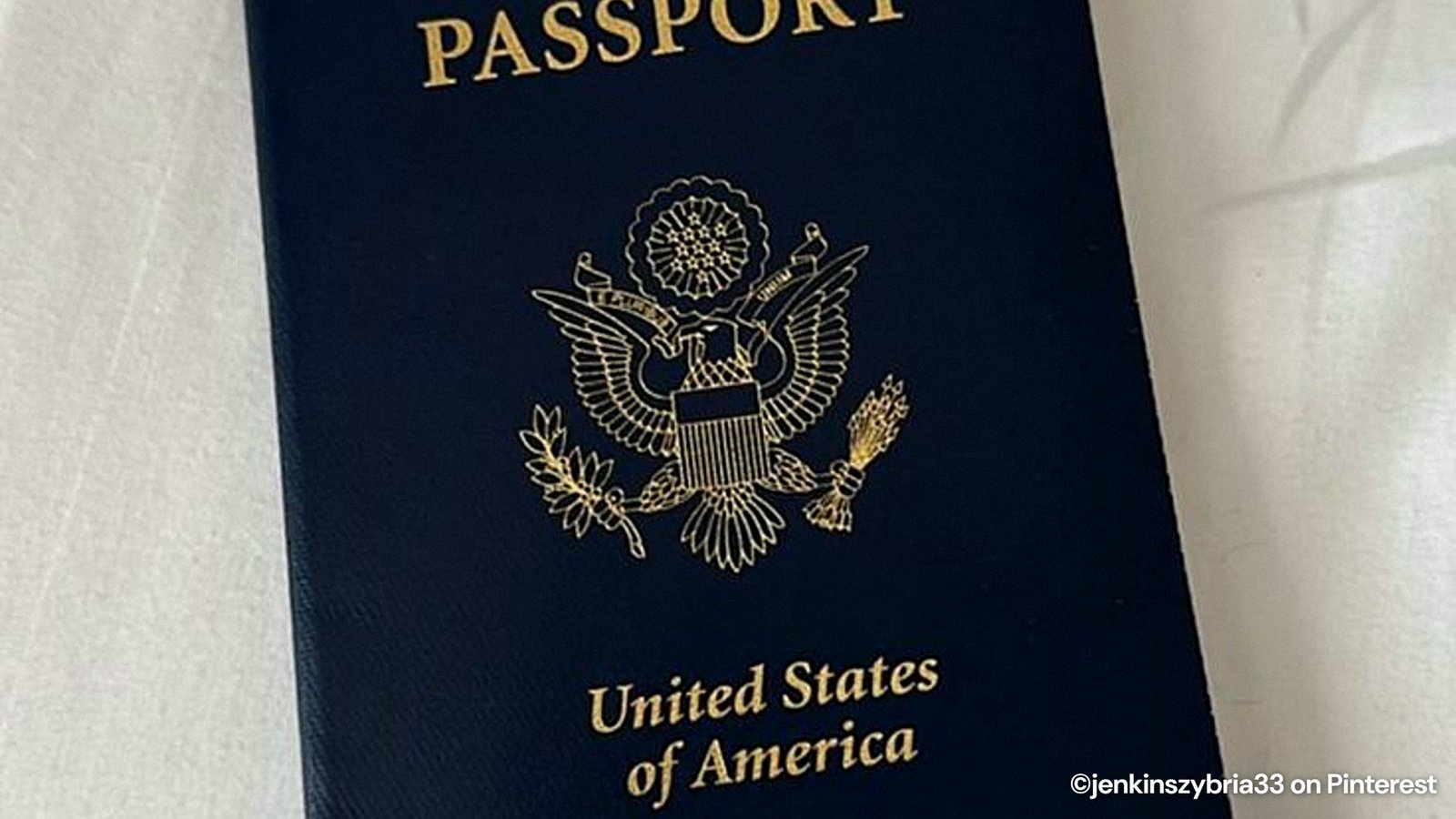
If you are traveling on domestic flights, both the US passport and the US passport card are acceptable. The passport card lets you fly within the US, however, it is not valid for international air travel.
Enhanced Driver’s Licenses and Similar IDs
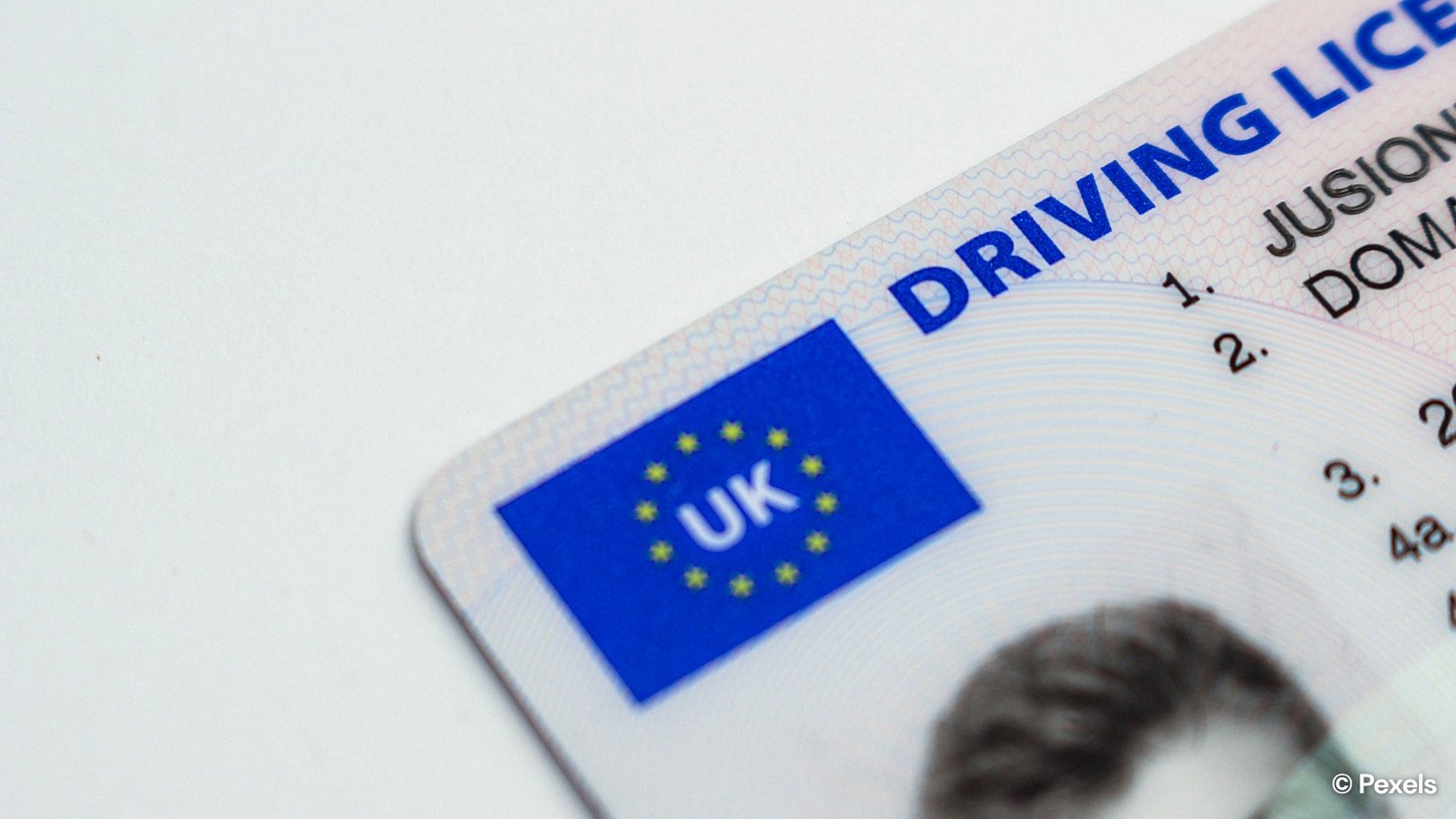
Enhanced driver’s licenses, also known as EDLs, are only issued in 5 US states, which are Michigan, Minnesota, New York, Vermont, and Washington. Most EDLs do not have the REAL ID star mentioned above, which is actually acceptable.
Other Recognized Identification
There are multiple specialized documents that TSA accepts, such as NEXUS, SENTRI, and FAST cards, Global Entry cards, military IDs, permanent resident cards, employment authorization cards, etc. You need to verify on TSA’s official website to understand which ones actually work. Furthermore, it is helpful to keep a screenshot of TSA’s list of documents on your phone to avoid any confusion at the security checkpoint.
Digital IDs
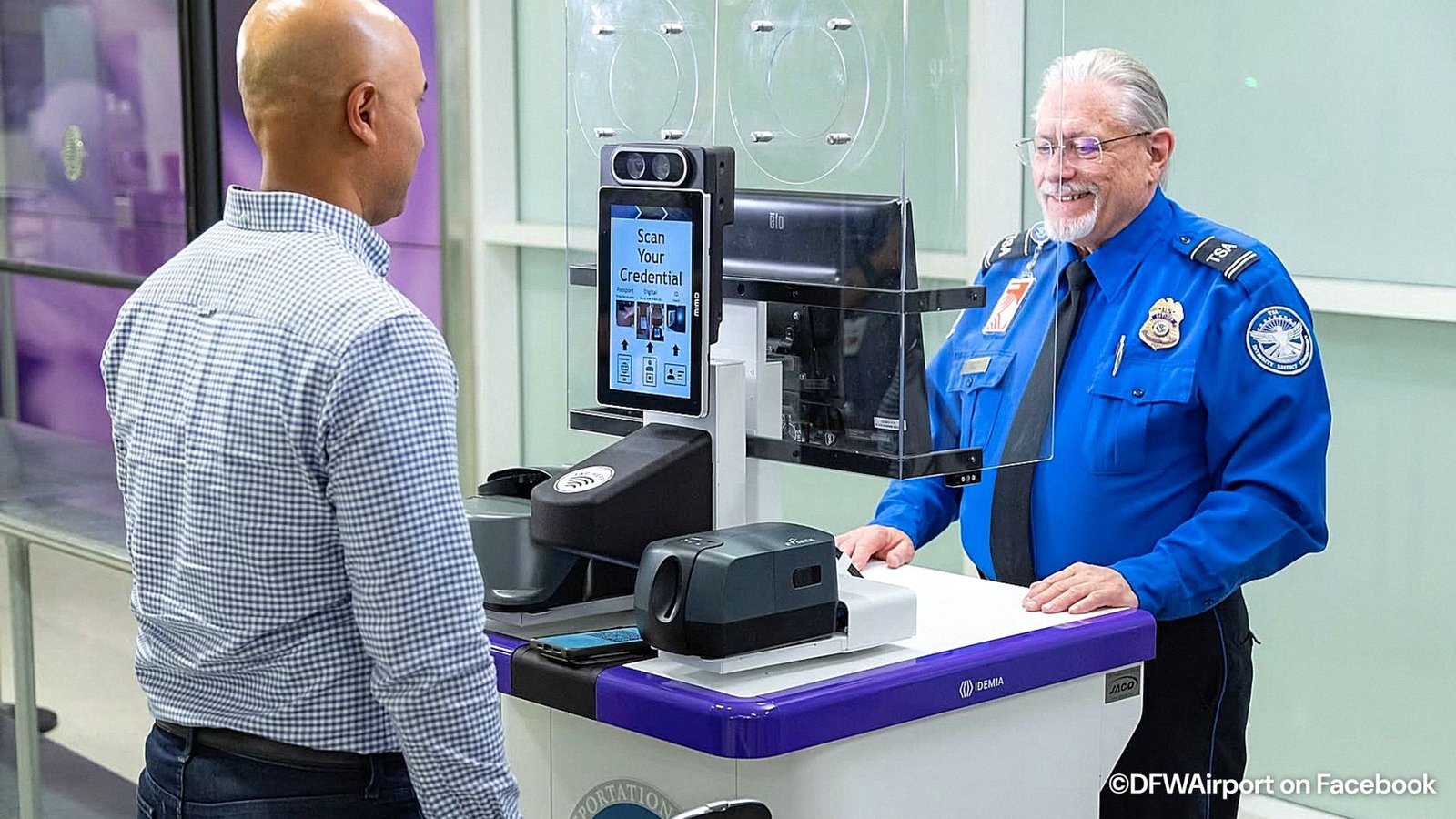
Does TSA support digital IDs? Yes, TSA does support digital IDs. However, the acceptable digital identification options depend on different programs, states, devices, and locations. If you have a mobile driver’s license, it is only eligible if it is based on a REAL ID, EDL, or EID. It is important to note that more than 250 airports accept digital ID, yet, as mentioned above, availability can differ between terminals and checkpoints, even within the same airport.
IDs for Children

TSA does not require children under 18 to show ID on domestic flights, but airlines can set their own rules, so it’s best to check with your airline before flying. These rules matter most when a child is flying alone. Major US airlines like Delta, United, and American require children aged 5 to 14 who fly alone to be booked into their paid unaccompanied minor service, where airline staff look after the child during the trip. For international flights, children need their own passport. A child under 16 gets a passport that is valid for 5 years instead of 10, so parents should check the expiry date well before booking.
Expired IDs
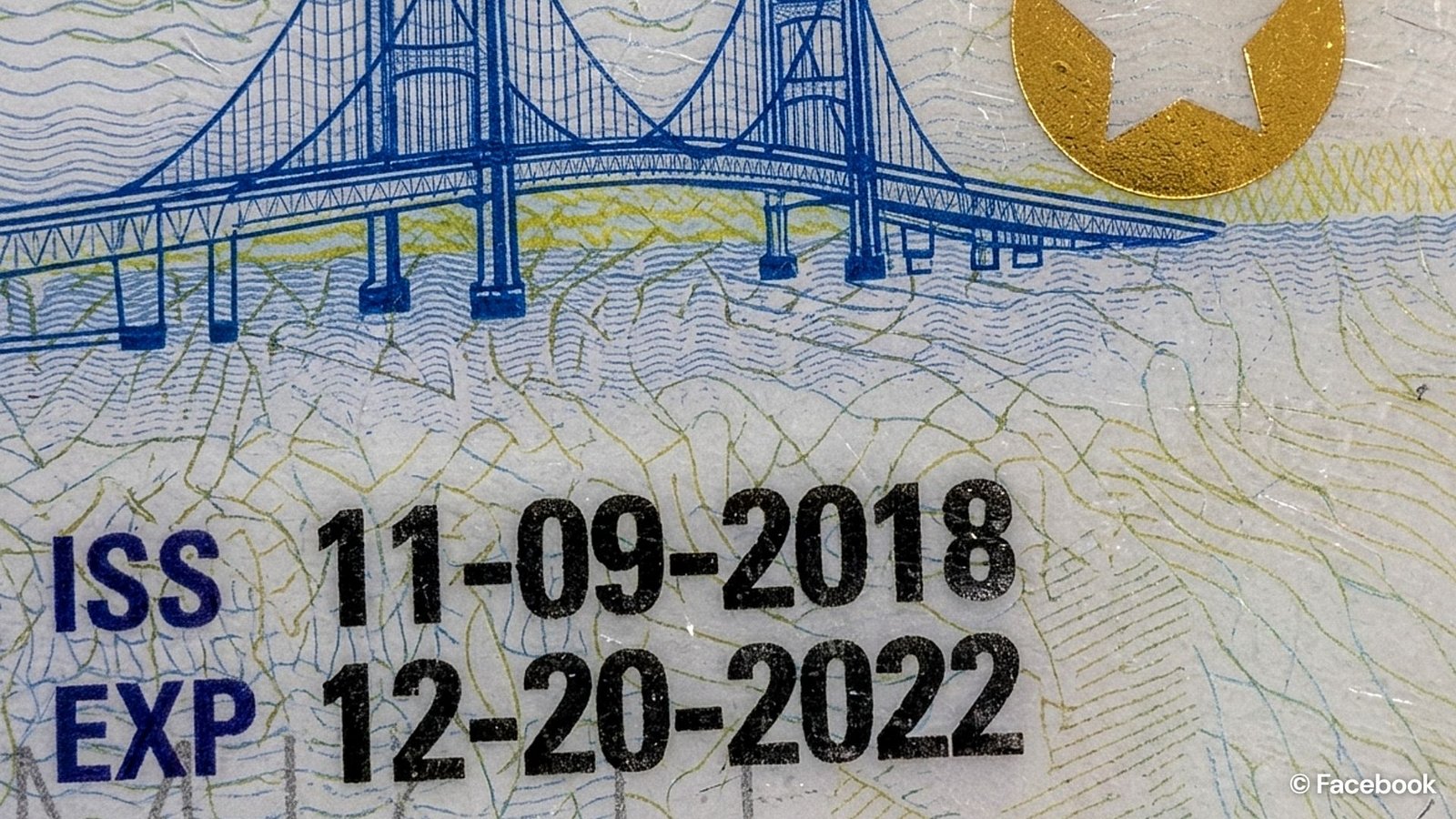
If your ID is expired, TSA accepts it for up to 2 years after the expiration date. However, an expired license will only qualify if it is REAL ID compliant. This rule only applies to TSA screening for domestic flights, so an expired passport won’t work for international travel. It is also important to note that with expired IDs, the screening process may take a little longer, so give yourself some extra time (San José Airport).
What Happens Without an Acceptable ID?
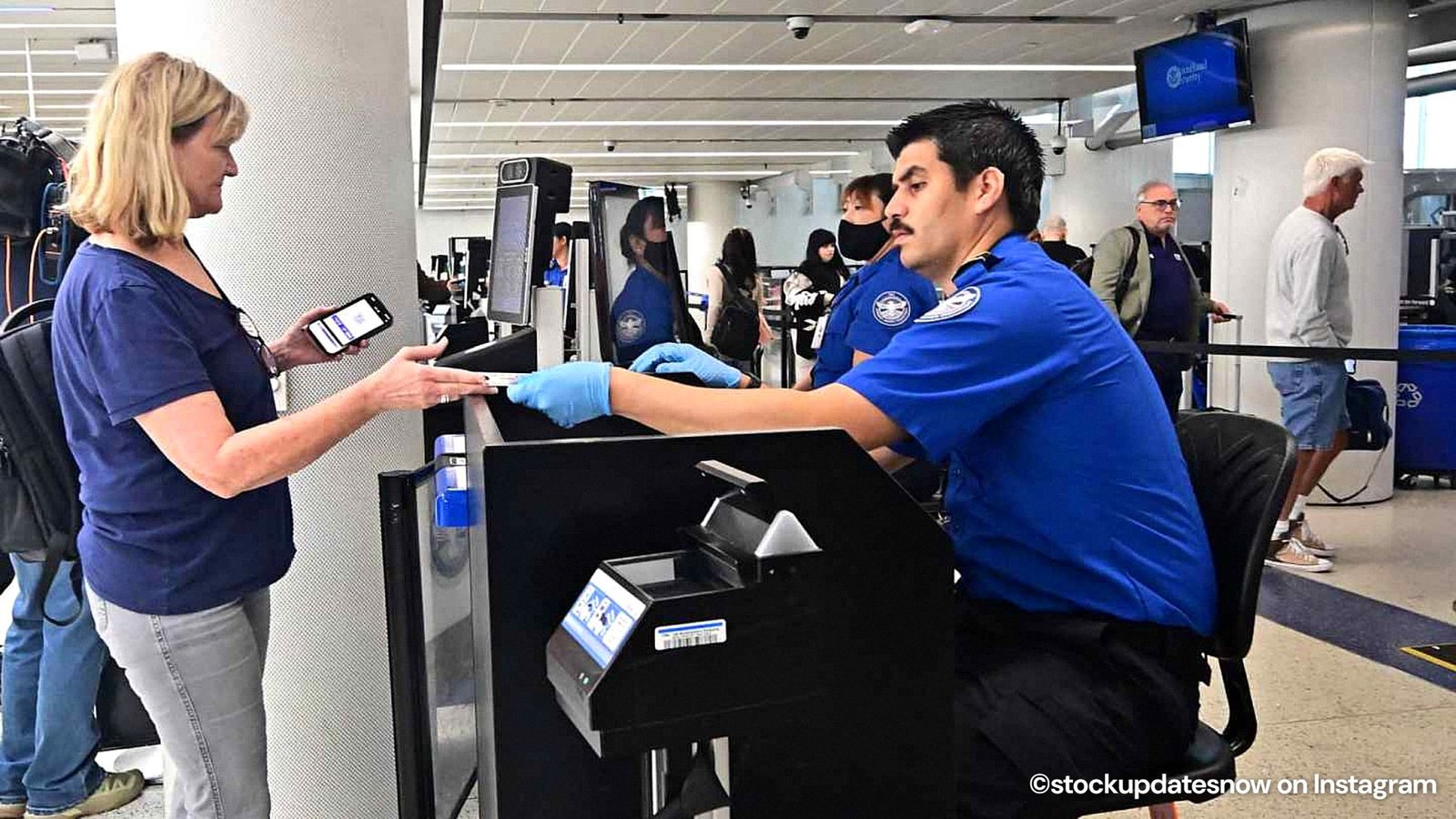
For travelers who unfortunately do not qualify through TSA’s identification process, there is an alternative option, TSA ConfirmID. This program comes with a fixed fee of $45 (TSA). However, it is important to note that paying for the program does not guarantee that your identity will be verified, and the fee is non-refundable.
Checking Rules Before Traveling

REAL ID enforcement began on May 7, 2025, and since then, adults need compliant ID for domestic flights. It is important to verify and prepare your documents before leaving for the airport, and to check TSA’s official website for acceptable identification and the screening process involved at the airport. TSA itself recommends that travelers without acceptable ID arrive at least 3 hours before their flight to avoid missing it (TSA).