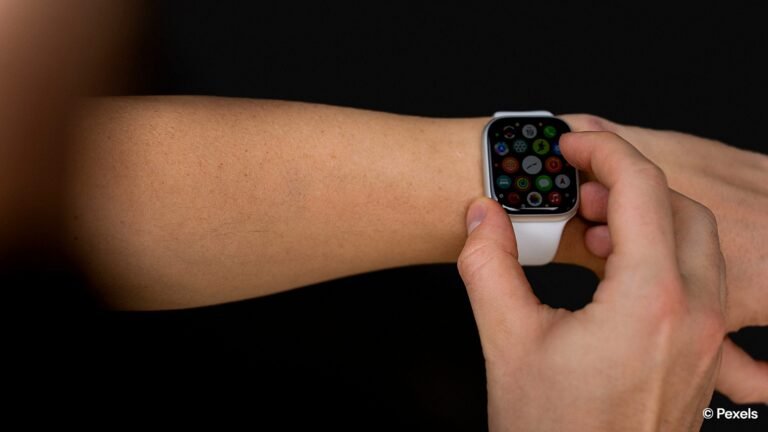
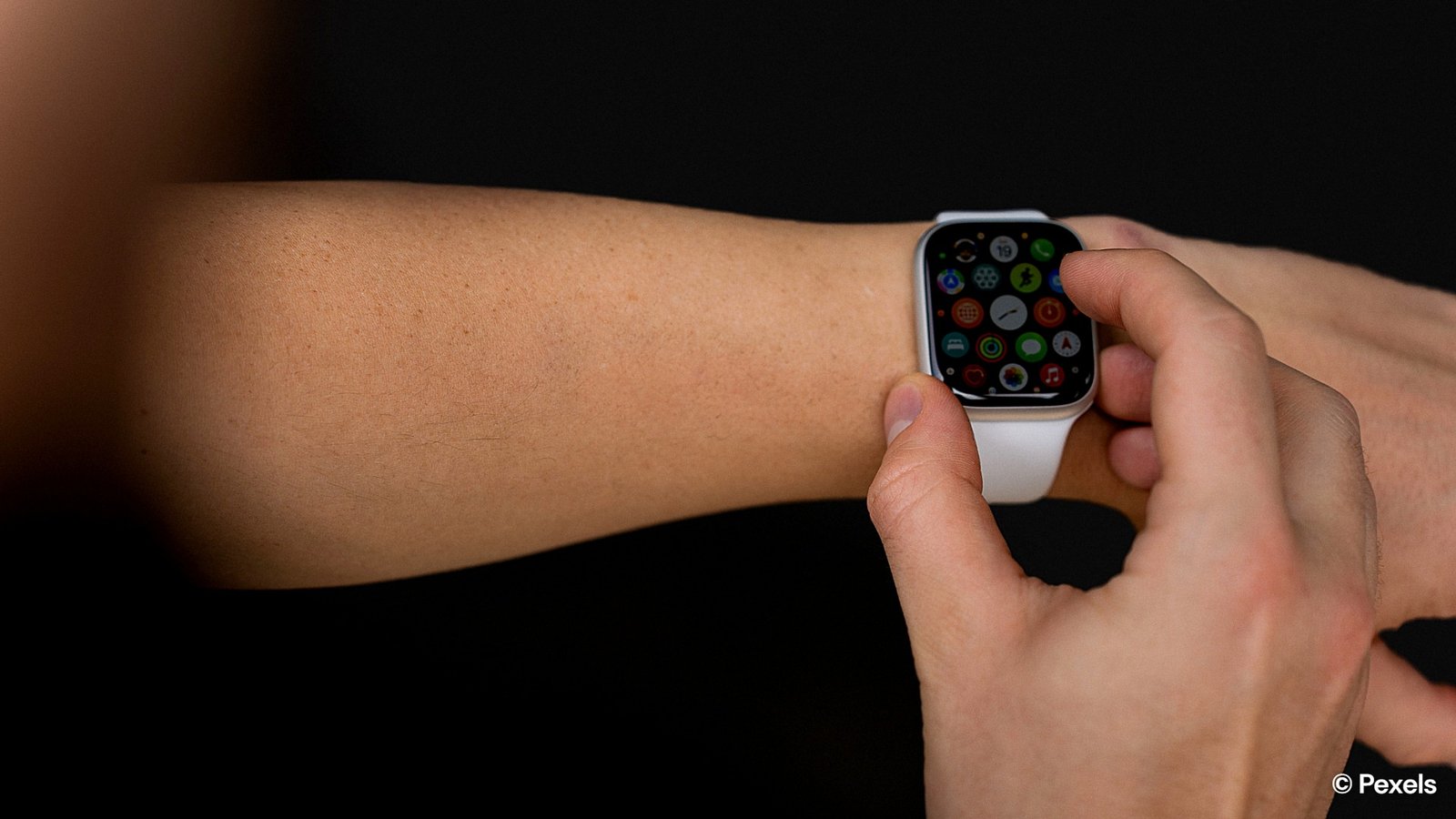
Today wearable health trackers are very popular tools to monitor exercise habits and personal wellness. Devices keep track of your daily steps along with sleep patterns so you see how you live each day. Understanding how these gadgets function helps users choose better actions for their health. In this article we look closely at top tracker features and see if they actually deliver real benefits for observing everyday habits based on what technology can do for us currently.
Monitoring daily step counts and physical activity

Getting a buzz on your wrist for hitting ten thousand steps feels super encouraging. People using devices walk a lot more than those without them according to real health research. You start picking stairs over elevators just to see your progress bar fill up. Seeing your steps daily makes it way easier to stay active without feeling overloaded at all.
Tracking sleep patterns and nighttime restfulness
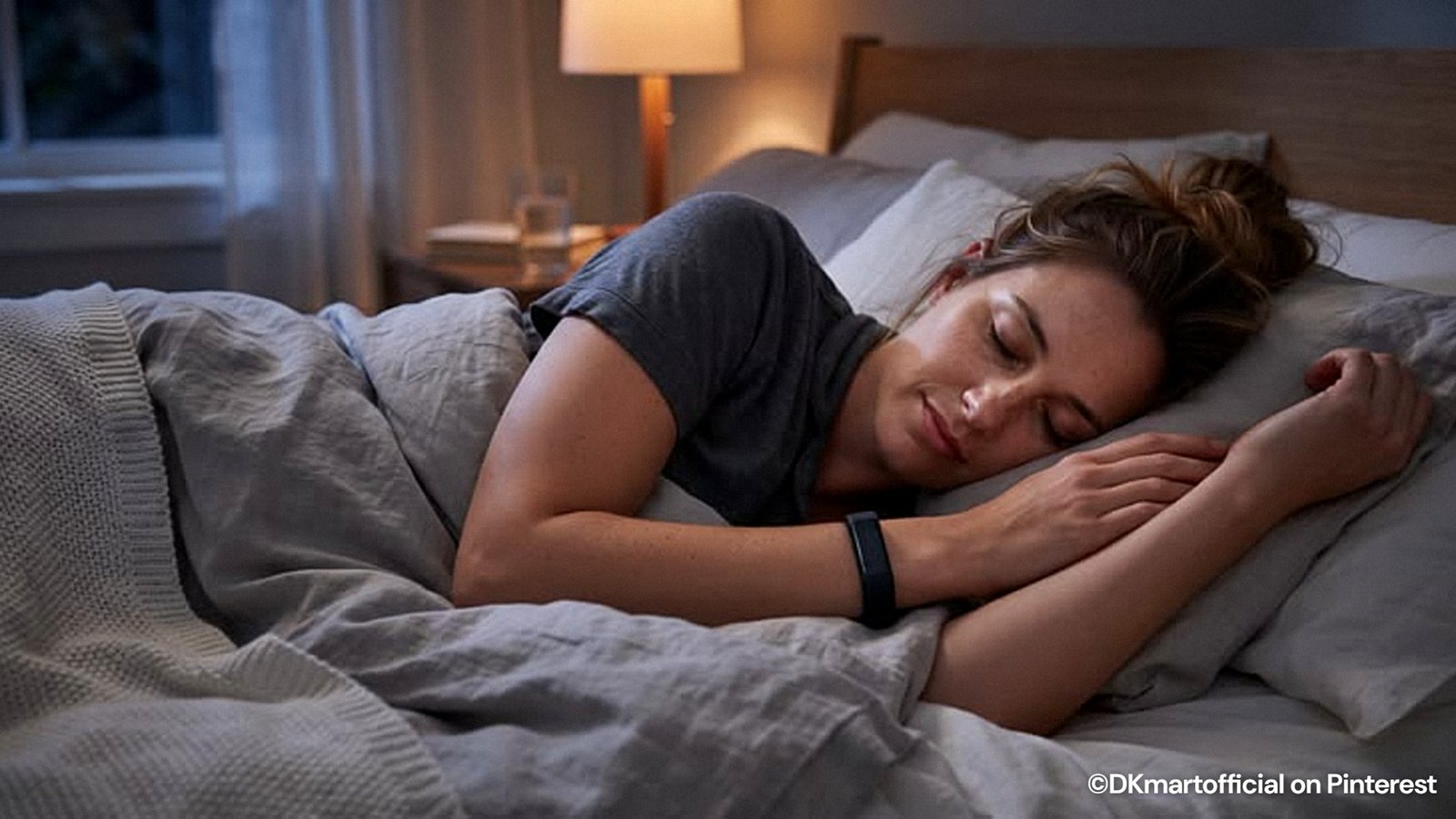
It is easy to think your sleep is great until your tracker shows you moving all night long. The device tracks your heart speed and movement to show different sleep stages throughout the night. The Sleep Foundation says this helpful tool lets you learn if your regular habits work well or if staying up late was really a poor idea.
Keeping an eye on heart rate fluctuations
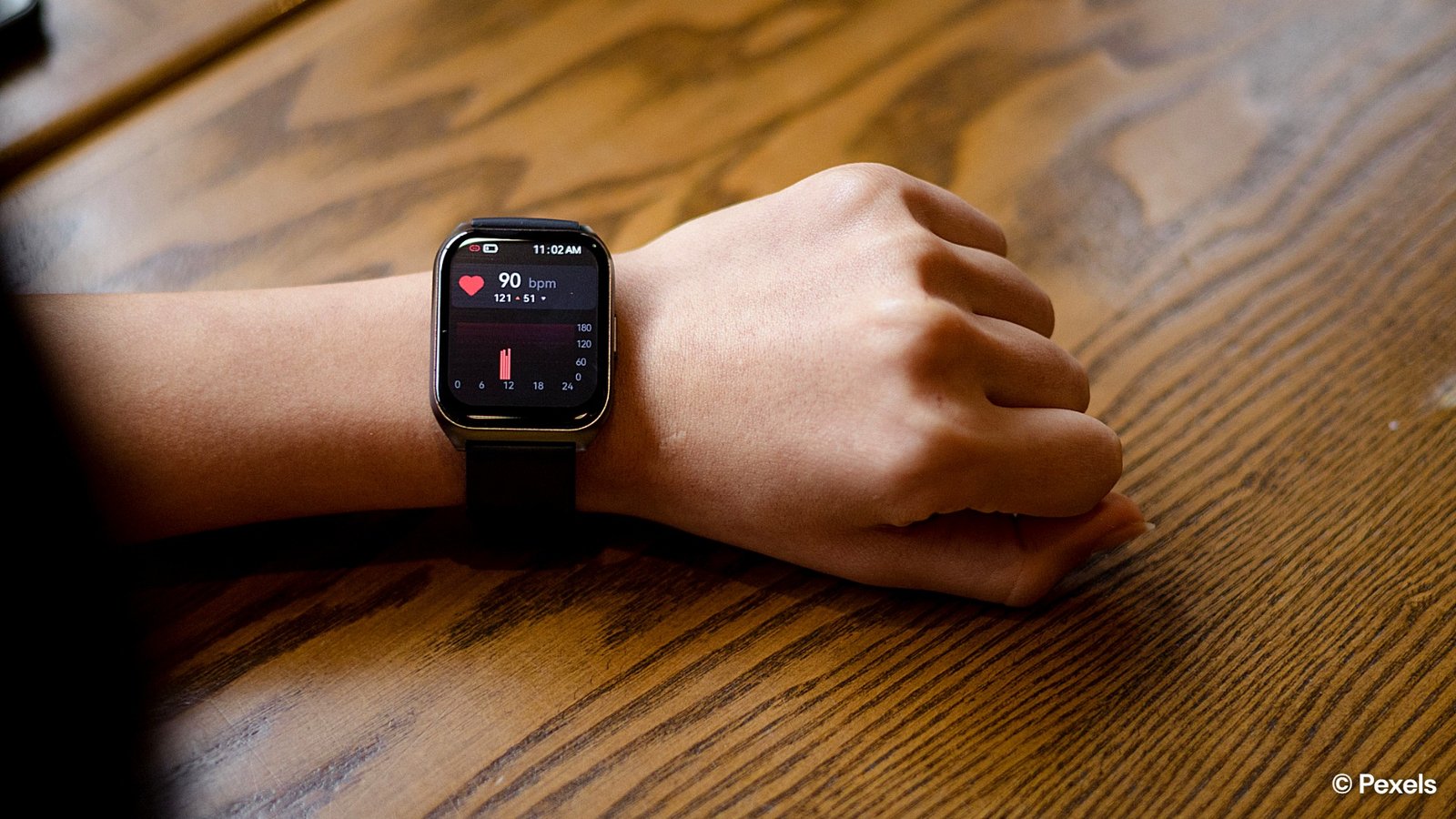
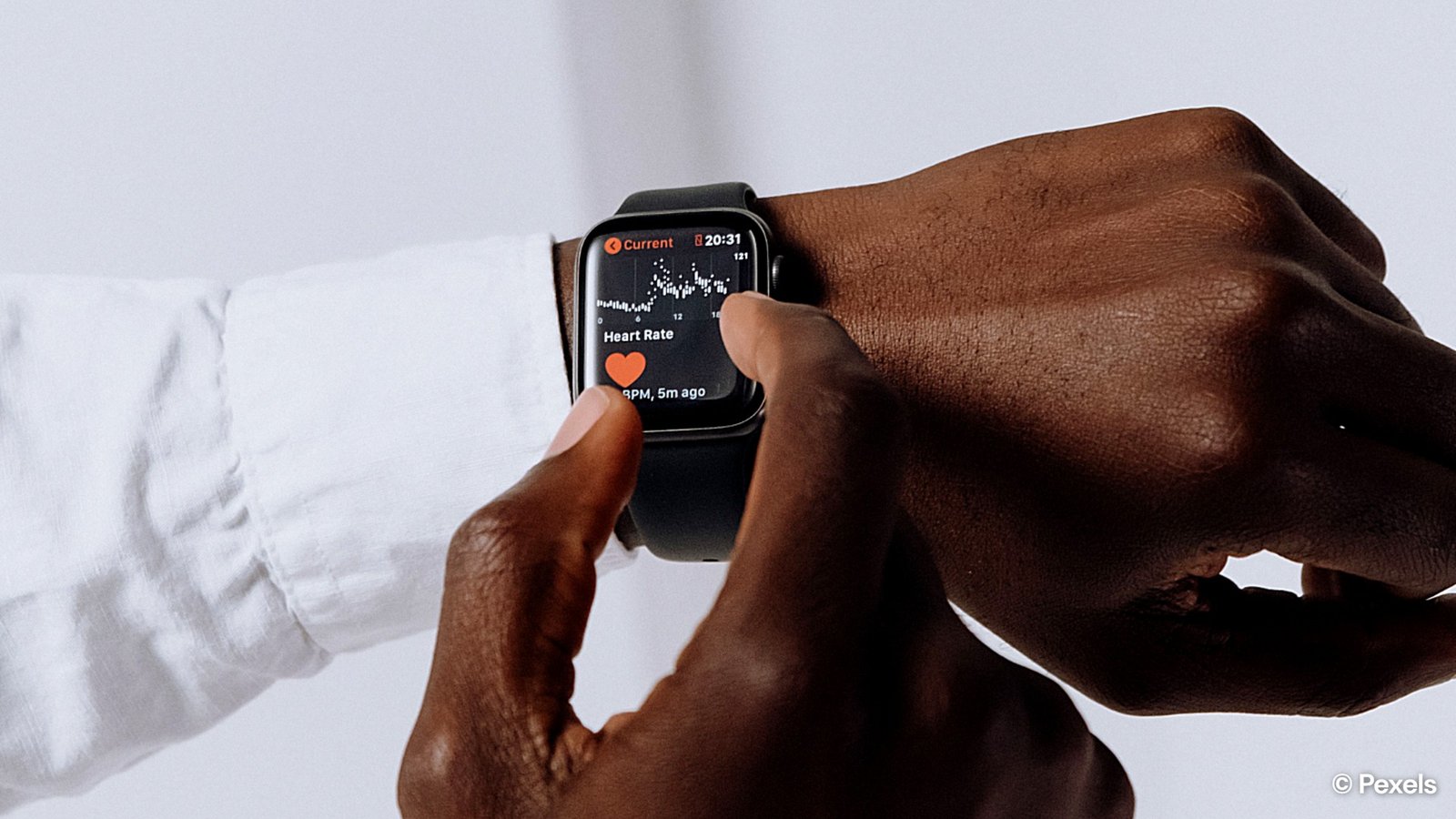
Your heart beats all day, and it is pretty cool to see how it reacts when you are just sitting or when you are running for the bus. The American Heart Association says keeping an eye on your resting heart rate is a good way to check your basic fitness level over time. It might even spike when your boss calls you unexpectedly, and that is just funny to see on a graph.
Understanding daily caloric expenditure
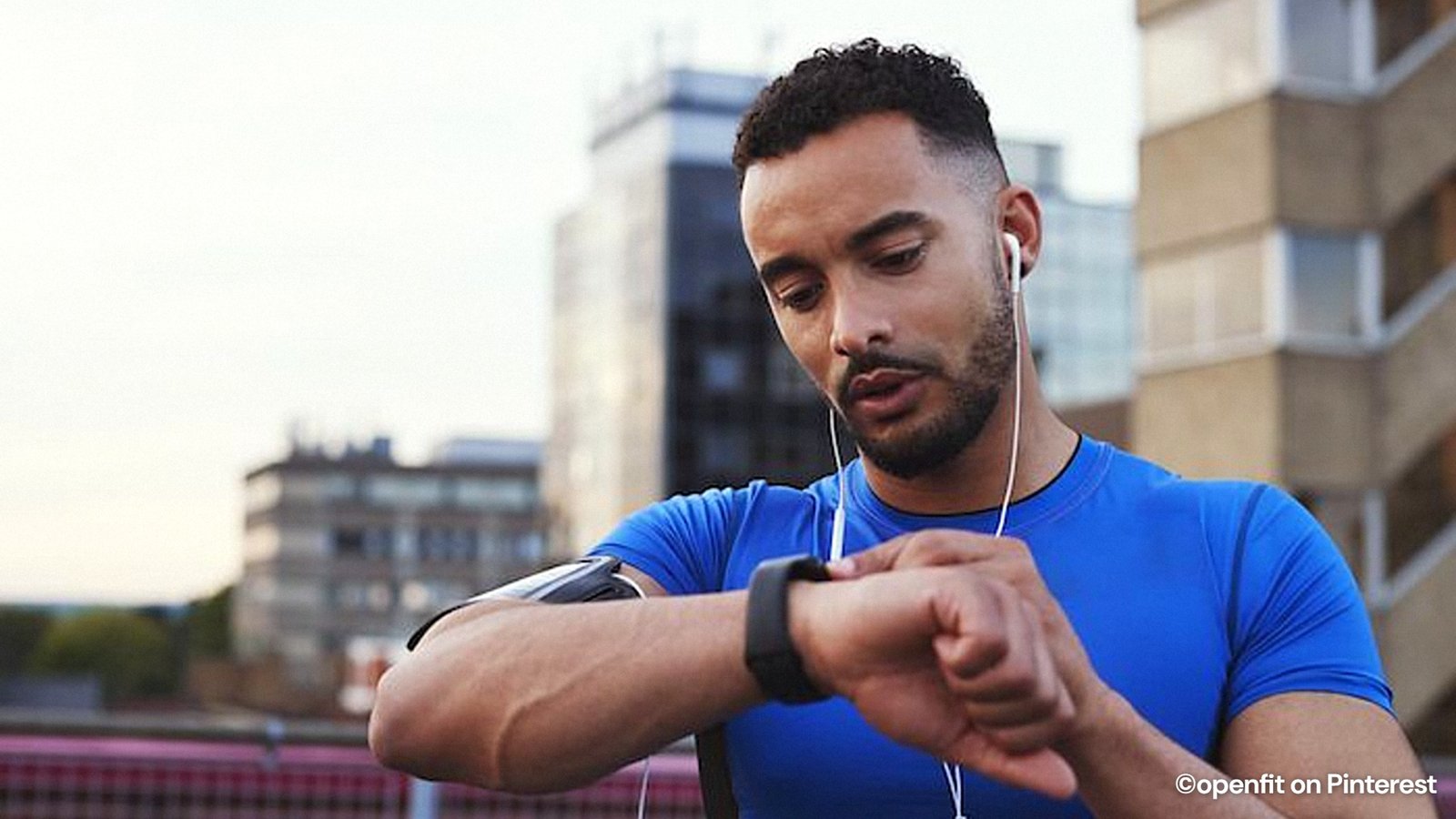
Figuring out how much energy you burn all day is tricky, but trackers give you a basic number to look at. Harvard Medical School points out that these calorie counts are not always perfect, but they do give you a decent idea of how active you were. It helps you realize that cleaning the whole house actually counts as a real workout.
Setting reminders for hydration and movement
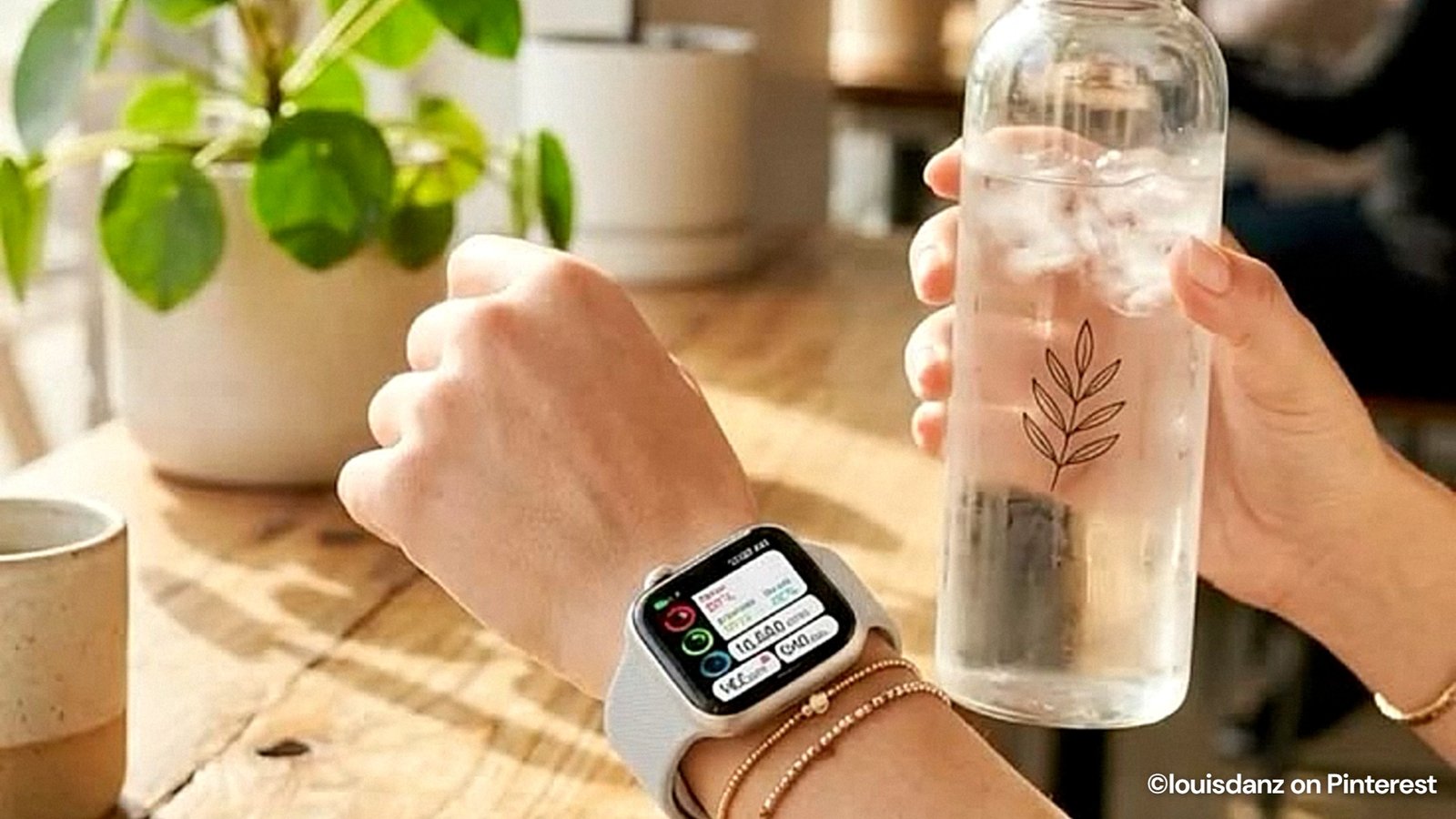
It happens to everyone where you look up and realize you haven’t moved or had a drink in hours. Setting short watch alerts is an easy fix. Every time it buzzes, grab a glass of water and stretch your legs a bit. It feels like a miniature buddy cheering you on to stay active and healthy.
Observing stress levels through heart rate variability
Those new wearables look at the micro gaps in your heartbeat to catch signs of stress. According to Mayo Clinic noticing high stress fast gives you a chance to calm down before it overwhelms you. We miss our own warning signs so having a watch step in helps a lot.
Logging workouts and exercise routines

Keeping a list of your runs, cycle trips, or yoga moves helps you remember what you did each day. Seeing your total active time grow every week gives you a great little reward for your effort. Looking back at all that hard work makes it way easier to stick with your routine tomorrow.
Syncing data with medical professionals

A ton of people show their sleep and workout numbers to their doctors at routine checkups. Johns Hopkins Medicine says having this info helps your doctor see your actual lifestyle at home. It makes those visits way more direct when you have exact numbers instead of trying to guess how much you move.
Building long-term health awareness
Wearing a health tracker daily gives you a solid picture of your day to day lifestyle. You get way more aware of how much you walk and how well you sleep. Before long you don’t even need to look at the screen to make good choices. Your body just gets used to staying active and resting up when it needs to.
Recognizing the limits of wearable technology
Fitness bands bring plenty of fun to your workout routine, just keep in mind they make mistake after mistake. They regularly mess up basic step counting and guess your sleep patterns wrong. That is why you shouldn’t treat their updates like law. Enjoy the general trends they show you, but never let a little screen override how you really feel.