
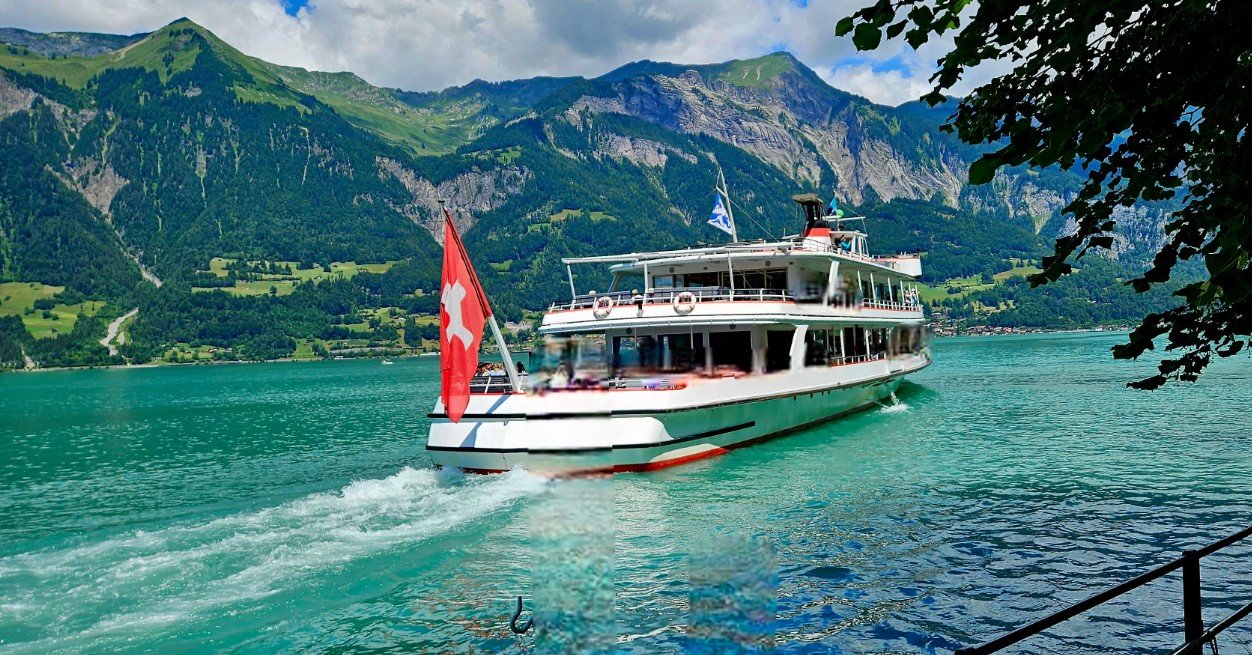
Tucked into a cradle of limestone cliffs and pine-stitched slopes, Lake Brienz looks less like a place on a map and more like something summoned from watercolor and memory. The water gleams with a startling turquoise tint -glacial, mineral-rich, and impossibly clear, while alpine villages dot the shoreline like punctuation in a quiet poem. For travelers arriving in Interlaken, this lake offers a softer counterpoint to the region’s soaring peaks and adrenaline-laced outings. Here, motion slows. The air tastes of pine and promise. And the rhythmic hush of a boat’s passage becomes its own kind of meditation.
A cruise on Lake Brienz isn’t merely transit – it’s a study in stillness, a floating vantage from which to observe Switzerland’s quieter, more introspective beauty. Whether it’s spring’s tentative bloom, the golden hush of autumn, or the long sunlit hours of high summer, each season transforms the ride into something new. Yet, like all moments worth chasing, the experience asks a question in return: Is this the kind of beauty you’ll rush past or the kind you’ll allow to unfold.
Each season along Switzerland’s turquoise Lake Brienz offers a distinct brushstroke – a calmer, more reflective journey slicing through alpine cliffs and forested slopes. We visited during July and it was a spur of the moment as we decided the night before. However, we were easily able to get tickets via Get Your Guide. I was able to easily purchase tickets on my phone. Just make sure to keep the e-tickets with you as you will be able to get on the boat without them checking, however they will check into the sailing. So don’t delete the tickets! We bought the first class tickets ($149/pp) so you can be on the very top of the boat and I was a bit disappointed that they didn’t come with any food or drink for the cost.
Seasons of Sailing
Spring (1 March–11 April):
When service resumes after winter, boats depart Bönigen for Iseltwald three times a day, with a connecting bus from Interlaken Ost. The lake’s chill and emerging light create a quiet tableau—ideal for those seeking early-season moods rather than full-service amenities. No food service, but visual rewards abound.
Late Spring (12 April–9 May):
Cruises expand, and breakfast boats glide from Interlaken Ost around 10:00AM, serving local bread, croissants, cheese, juice, and hot beverages as the shoreline blooms.
Summer (10 May–19 October):
Full sun brings full schedules—six or more crossings daily, including the nostalgic paddle steamer Lötschberg. The full lake round-trip takes about 2½ hours; one way takes ~75minutes. Stops include Giessbach Falls, Iseltwald, Brienz and more. Culinary cruises—burger, fajita, sunset dinners—elevate the experience.
Autumn (20 October–7 December):
Schedules taper but remain consistent. Fewer crowds. Autumn light sets the turquoise water aglow. Multi-stop routes still run through early December.
Winter (early December–late February):
Lake Brienz lies quiet—no regular boat service. Only Lake Thun continues its public navigation.

What Makes the Ride Unforgettable
- The lake’s emerald turquoise hue, cradled by jagged peaks and reflected sky, is both vivid and hypnotic.
- Passengers disembark at Giessbach Falls, and it is only a short walk (like about 3 minutes) to the bridge where the waterfalls are.
- Iseltwald and Brienz are small wooden house villages, each evoking their own lakeside intimacy. Snap stilllife photographs, explore carving shops, or linger at a quay in dappled afternoon sun.
- Onboard restaurants serve regional specialties; themed evening cruises unfold under twilight skies.
Pros & Cons at a Glance
Pros
- Effortless access to lush nature without exertion.
- Photogenic vistas framed by pale stone and deep water.
- Flexible boarding and hopping on/off with a day pass or Swiss Travel Pass.
- Romantic, calming contrast to nearby mountain climbs.
- Perfect for families, couples, solo travelers, or anyone craving gentle movement.
Cons
- Too sedate for high-energy itineraries or tight schedules.
- In bad weather (fog, rain) the visual magic dims.
- Not available December–February.
- For those already cruising on Lake Lucerne or Thun, it may feel redundant.
- The boat ride is kind of pricey considering there is no food or drink included in the price.
When to Choose the Cruise
- Summer and autumn offer the fullest schedules, smoothest waters, highest sunlight.
- Early morning departures (before 10:30 AM) deliver crisp light and calm air—ideal for landscape photography and solitude.
- Spring’s awakening offers solitude and early nature’s palette, before crowds swell.
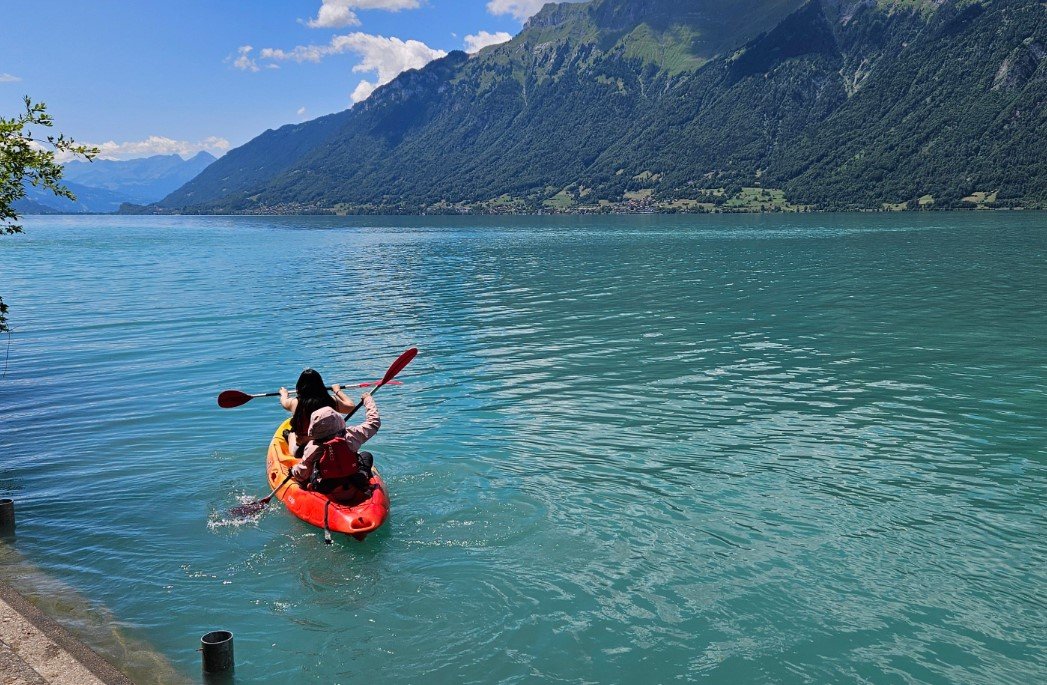
- Winter season adventurers might try a jetboat ride—a short, high-speed thrill with 360° spins against snowy alpine backdrop—even as regular cruises pause.
Do boats on Lake Brienz run in winter?
No—there is no regular service from mid October through February. A limited Bönigen–Iseltwald service runs from early March until mid April.
Can you hop off and back on the boat at stops?
Yes, especially with a day pass or Swiss Travel Pass. Many travelers use the boat to Giessbach, walk/hike, then catch the next boat or return by train.
Is it safe for motion sensitive travelers?
Lake Brienz is relatively calm. Strong Föhn winds can cause minor chop, but most cruises are smooth and cause minimal discomfort.
What’s the best time of day for a cruise?
Mornings (before 10:30 AM) deliver the best light for photography and typically calmer conditions. Afternoons can bring growing mountain clouds.
Are onboard meals and reservations available?
Yes – summer boat services often include breakfast and lunch cruises. Special themed dinners (e.g. burger or fajita nights) are available and require advance table reservation.