
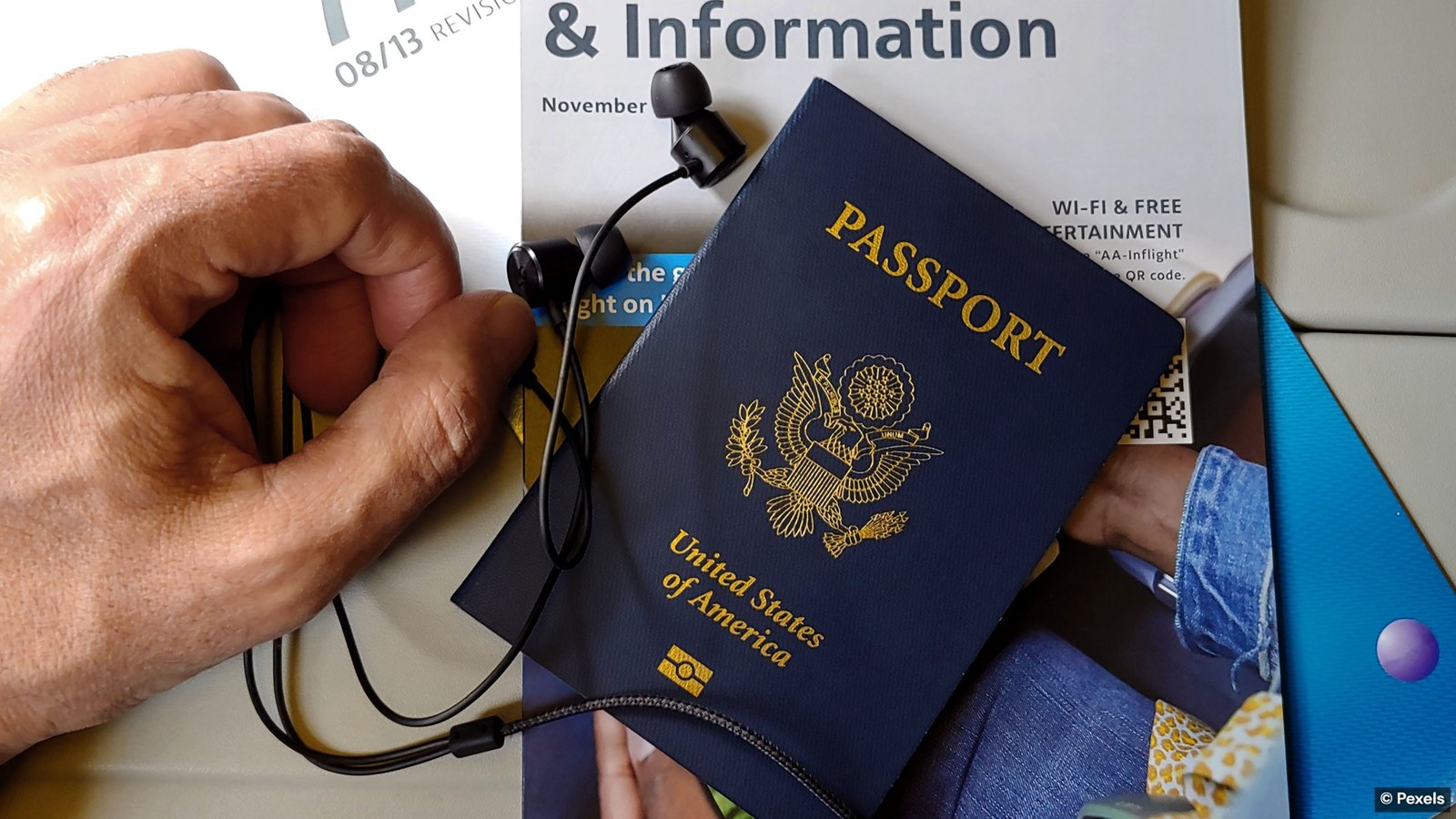
For decades, an ink stamp was the classic souvenir of arriving in the United States. Not anymore. U.S. Customs and Border Protection has ended routine admission stamps at the first inspection booth and is relying on digital records instead. The move is expected to save border crossers time in crossing the border, but it does require them to remember where their proof of entry is now filed.
What has changed
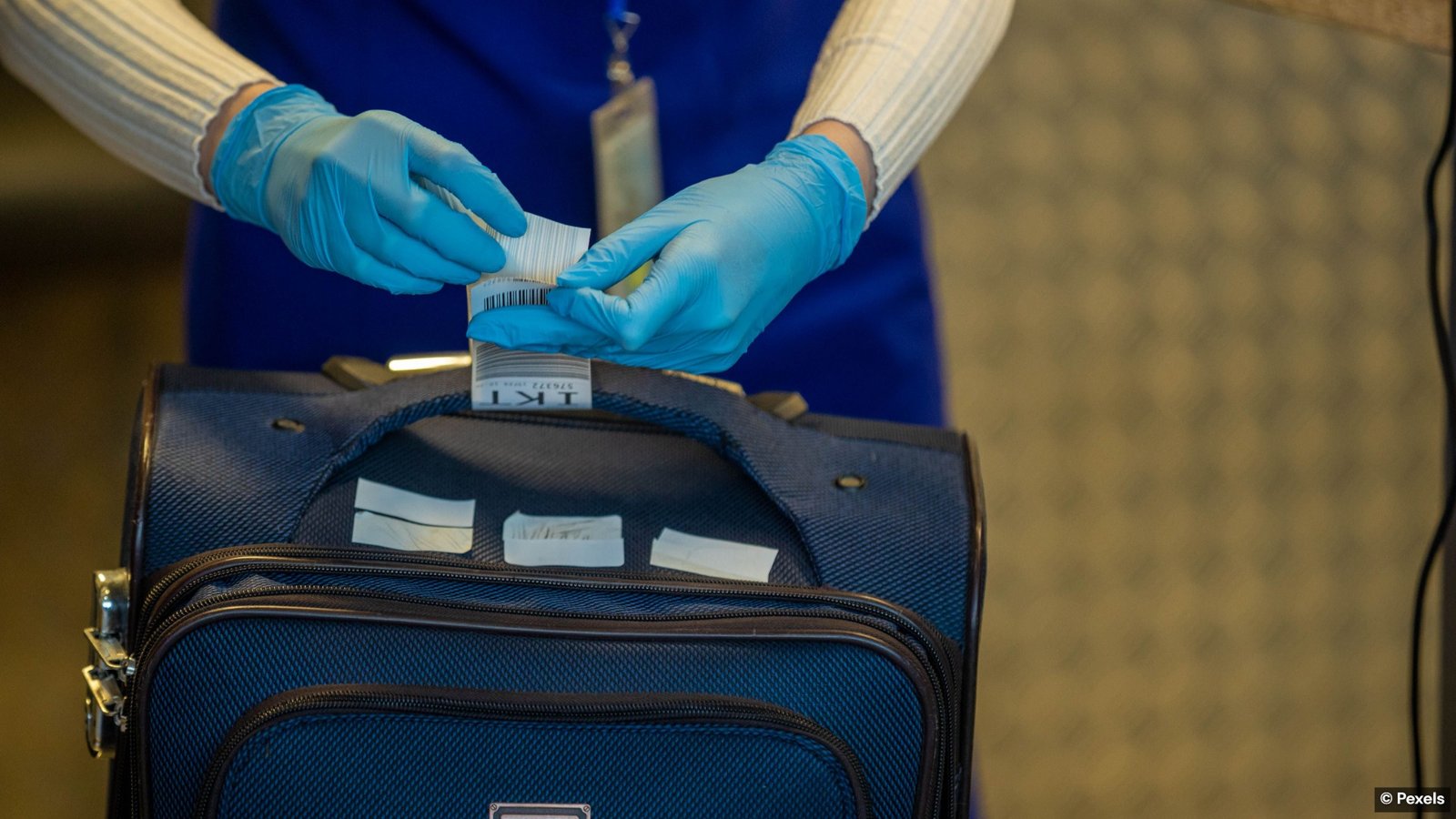
Under a bulletin dated October 1, 2026, CBP officers no longer stamp passports as a routine part of primary inspection, the first check at a U.S. port of entry. Travelers still go through the same inspection. They simply leave the booth without a fresh stamp.
Why CBP did it
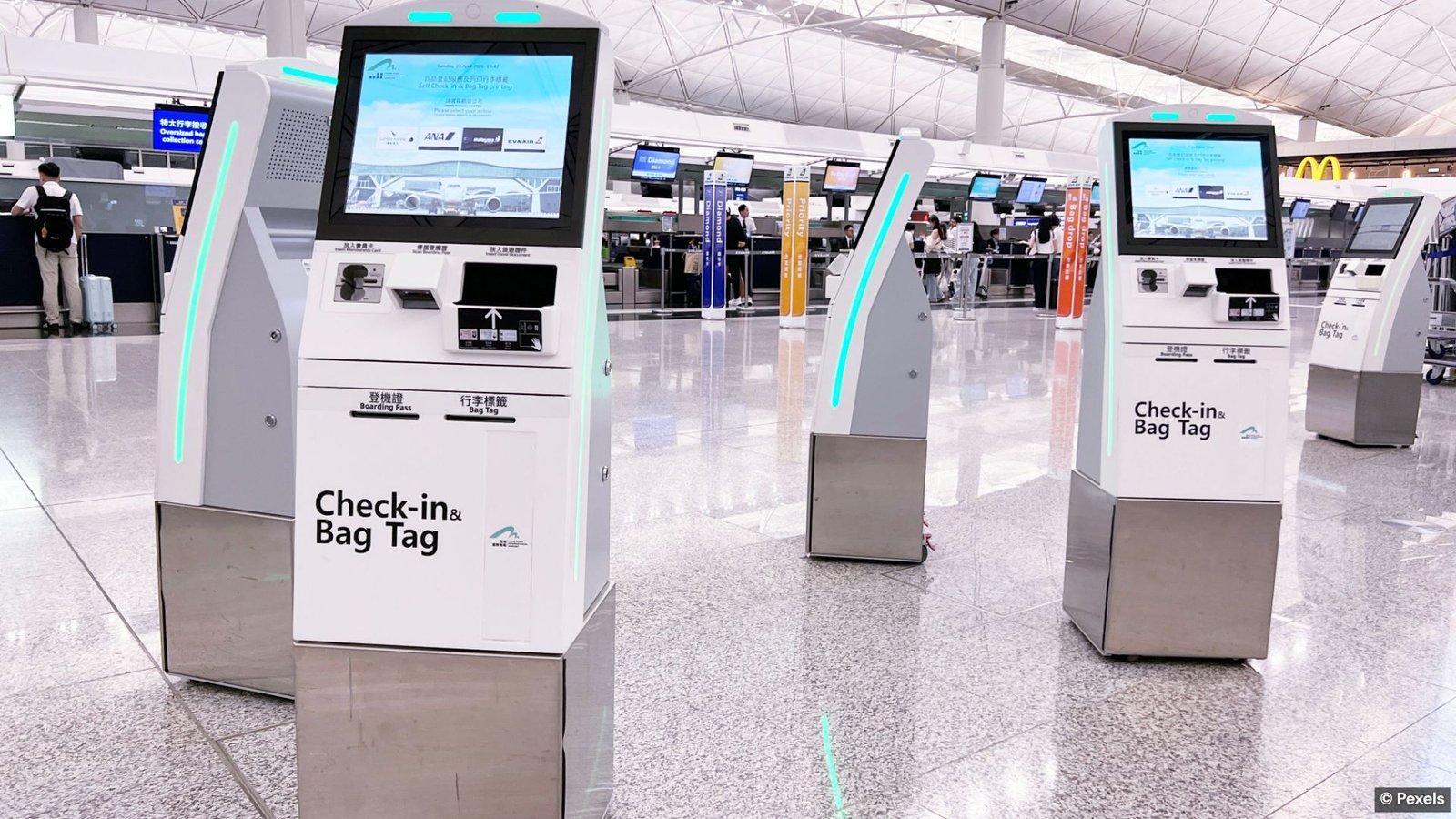
CBP says dropping routine stamps will shorten inspection times and lower operating costs. It is part of a wider modernization effort built on electronic admission records, mobile apps and facial recognition. CBP began replacing paper I-94 arrival forms with electronic records back in 2013.
Stamps on request
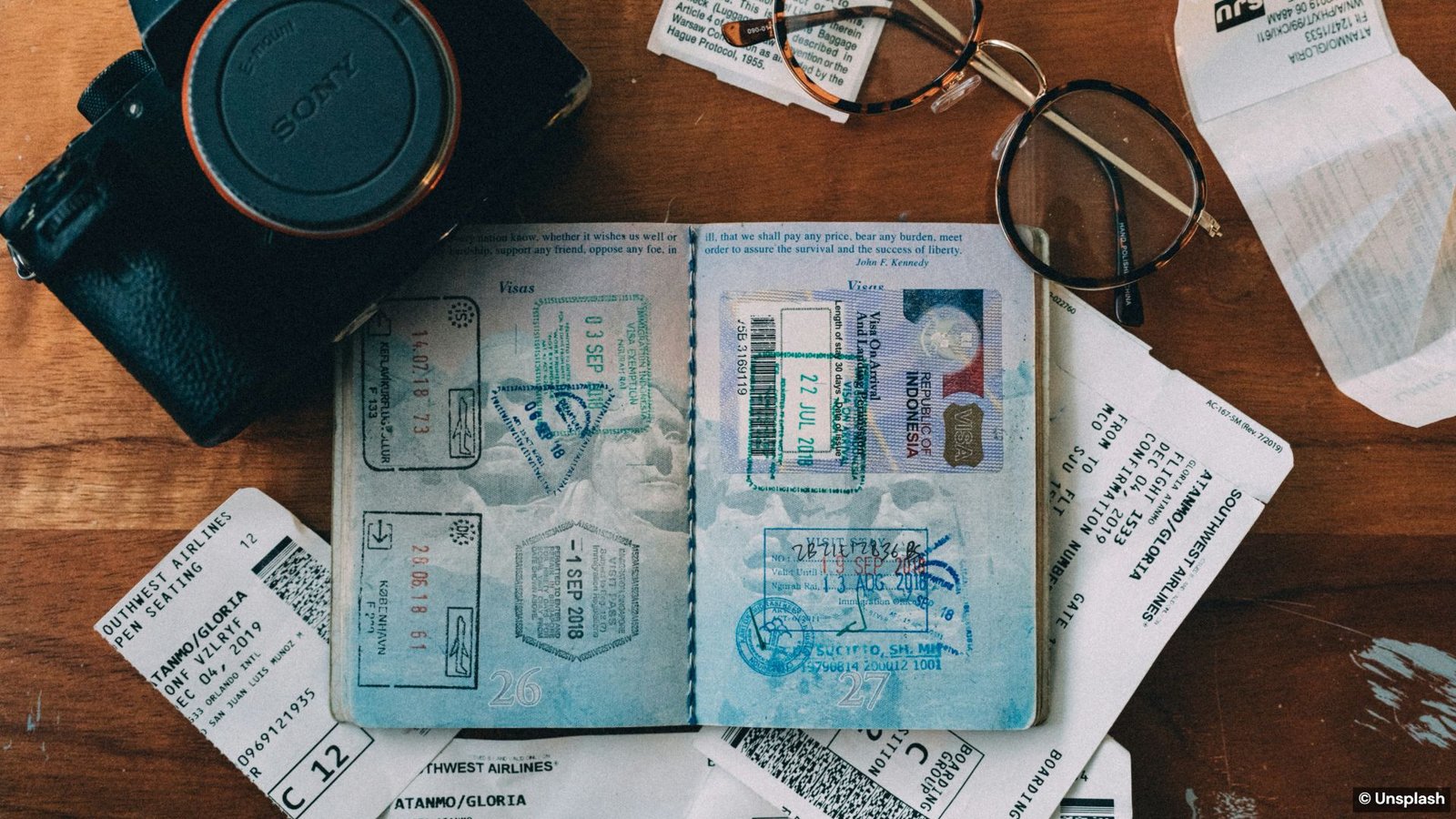
Stamp collectors need not worry. Travelers can still ask the officer to stamp their passport. Officers may also stamp passports during secondary inspection, when a traveler is pulled aside for further checks, and in some cases involving immigrant visas.
The I-94 is your proof
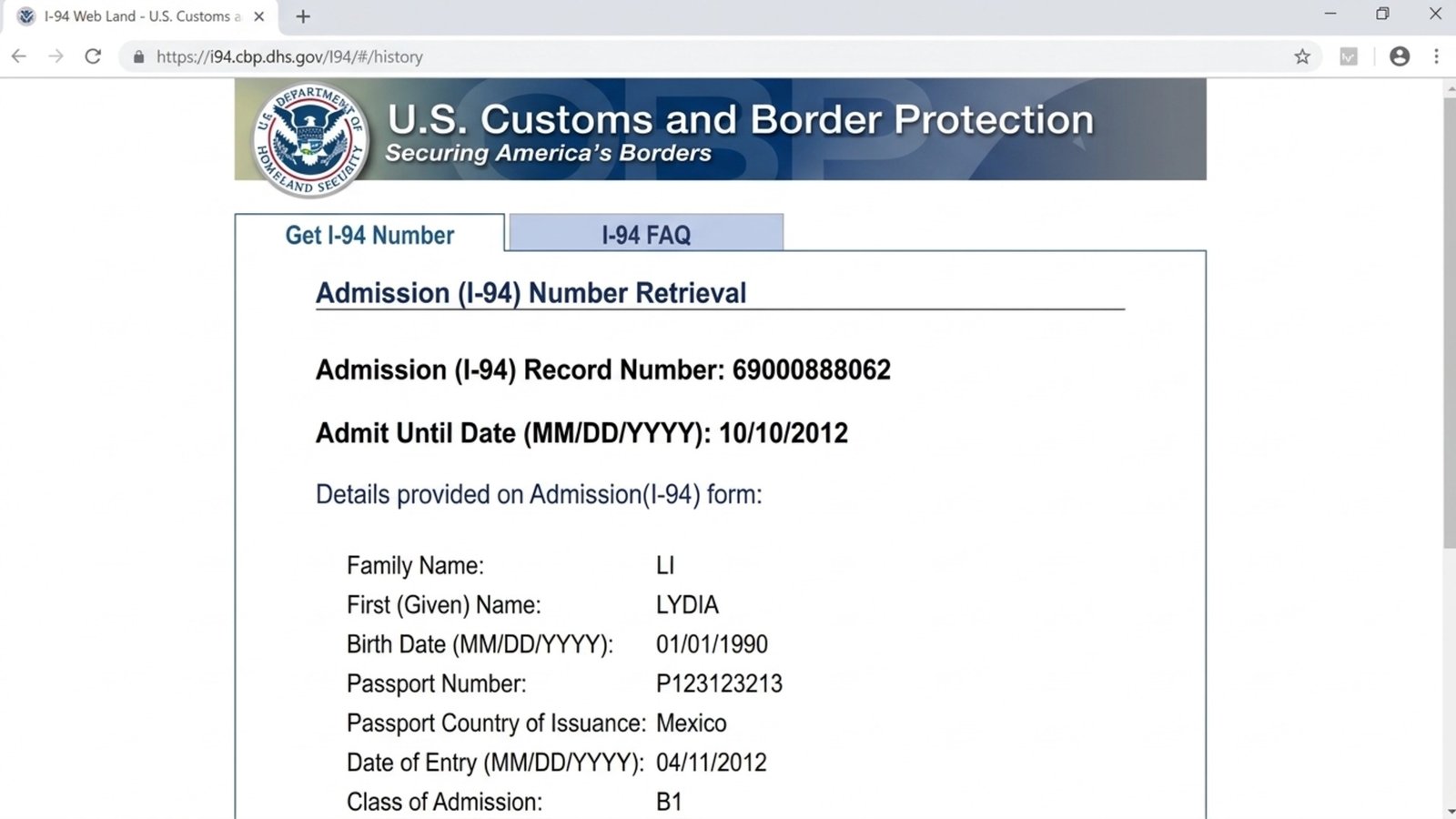
For most foreign visitors, the official record of entry is the electronic Form I-94. It lists the traveler’s immigration category and Admit Until Date, which generally sets how long they can stay, not the expiration date on their visa.
How to check it
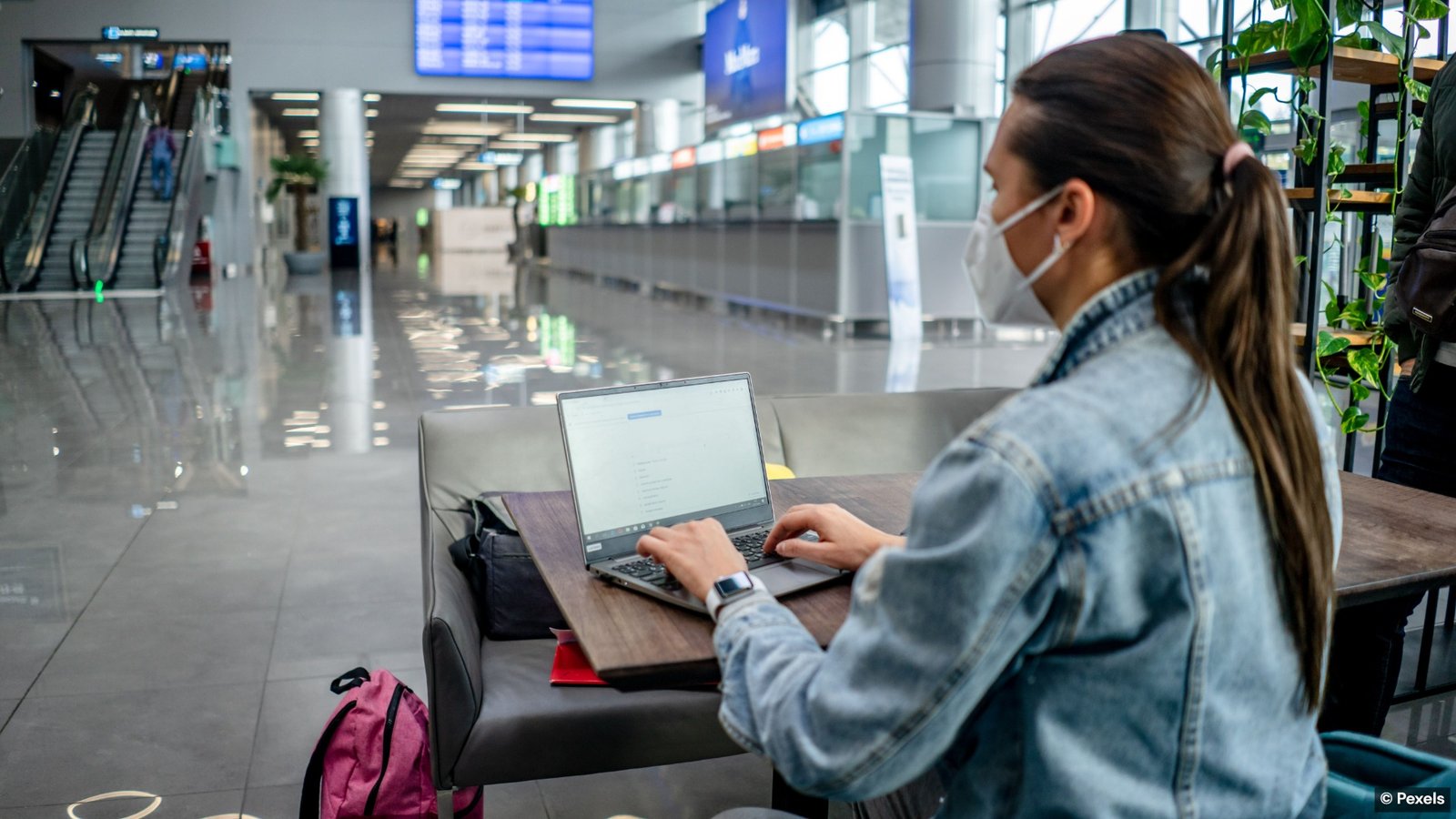
Visitors can find and print their latest I-94 at i94.cbp.dhs.gov or through CBP’s mobile services. It should be noted that it is worth checking just after arrival as employers, schools and immigration offices may request this. In the event that any mistakes were made by CBP, a Deferred Inspection office may be helpful in rectifying the error.
ESTA visitors
People who come from a visa waived country are not affected by it except for the missing stamp. Travel to the USA for up to 90 days for tourism or business is still allowed, as is granting admission to any individual by CBP officers, provided an approved ESTA is in effect.
Faces replace stamps

Facial recognition now plays a central role at the border. On October 5, 2026, CBP said its biometric systems had verified more than 1 billion travelers. As of September 2025, the technology was used for entry at every international arrival airport.
Europe made the same move
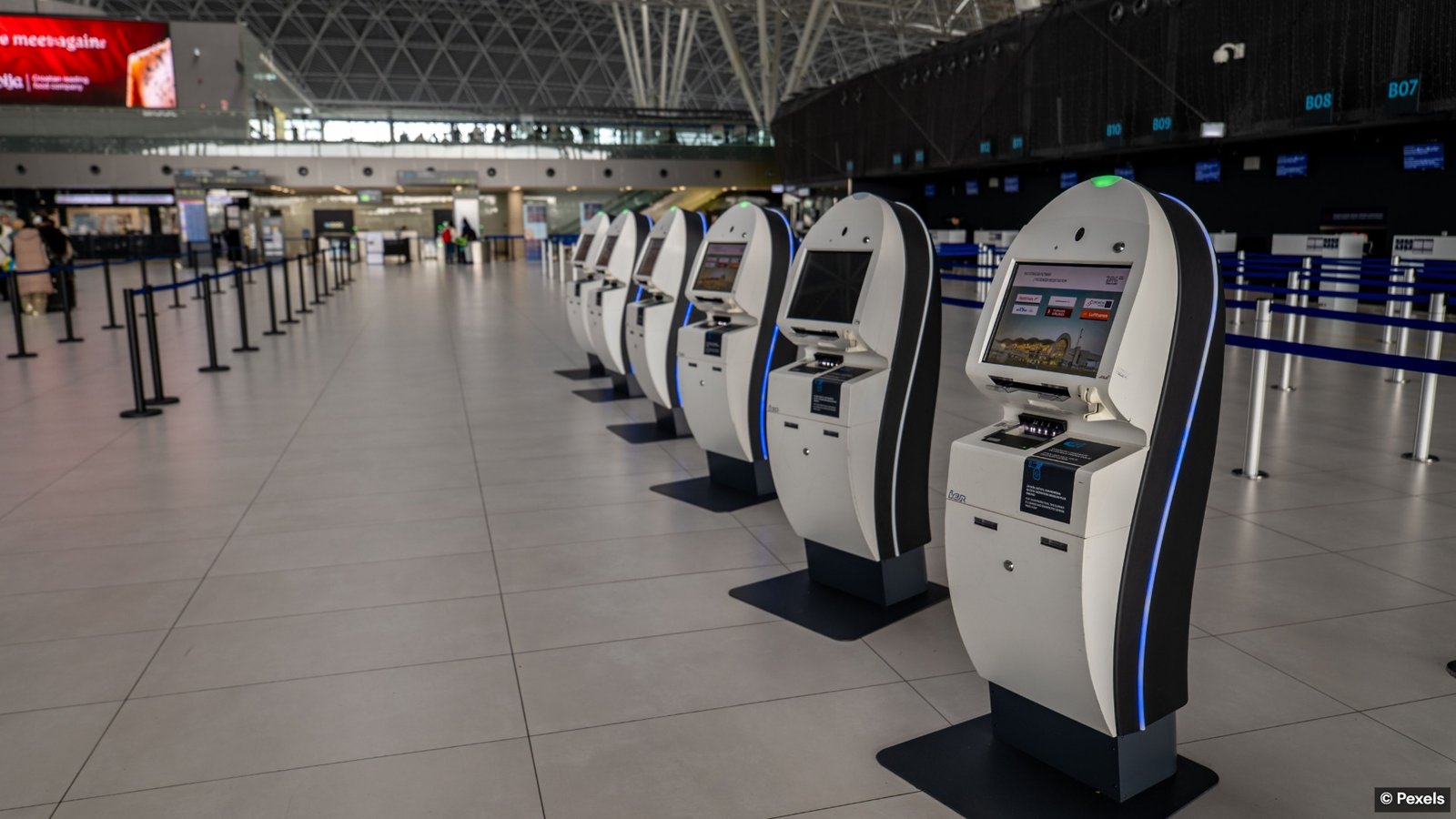
The U.S. is doing the same as the rest of the world. The Entry/Exit System for the European Union (EU) starts to replace passport stamps from October 2025. It will be fully operational from April 2026 in 29 countries, capturing non-EU visitors’ faces and fingerprints rather than stamping their passports.