
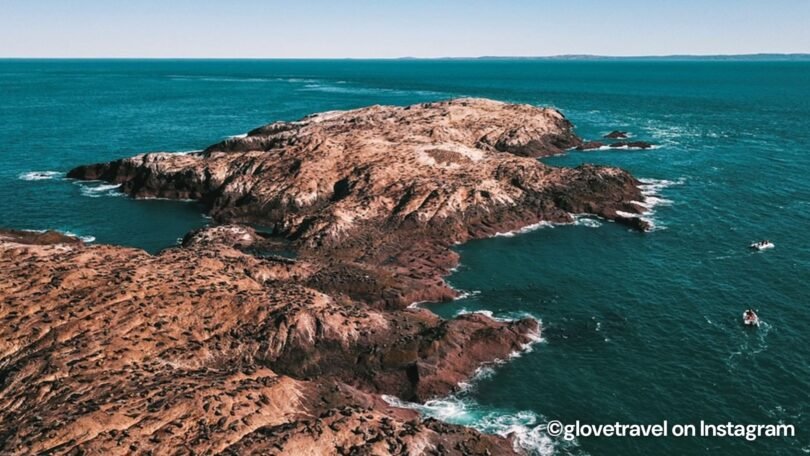
Patagonia usually brings to mind towering peaks and crowded towns. There is a quieter side of this region waiting on the eastern coast of Argentina. The expansive steppe and newly protected coastal waters offer a completely different experience. Travelers are discovering this overlooked area thanks to conservation efforts and new ecotourism lodges. You can find ancient desert canyons and rich marine wildlife here.
The rise of Patagonia Azul
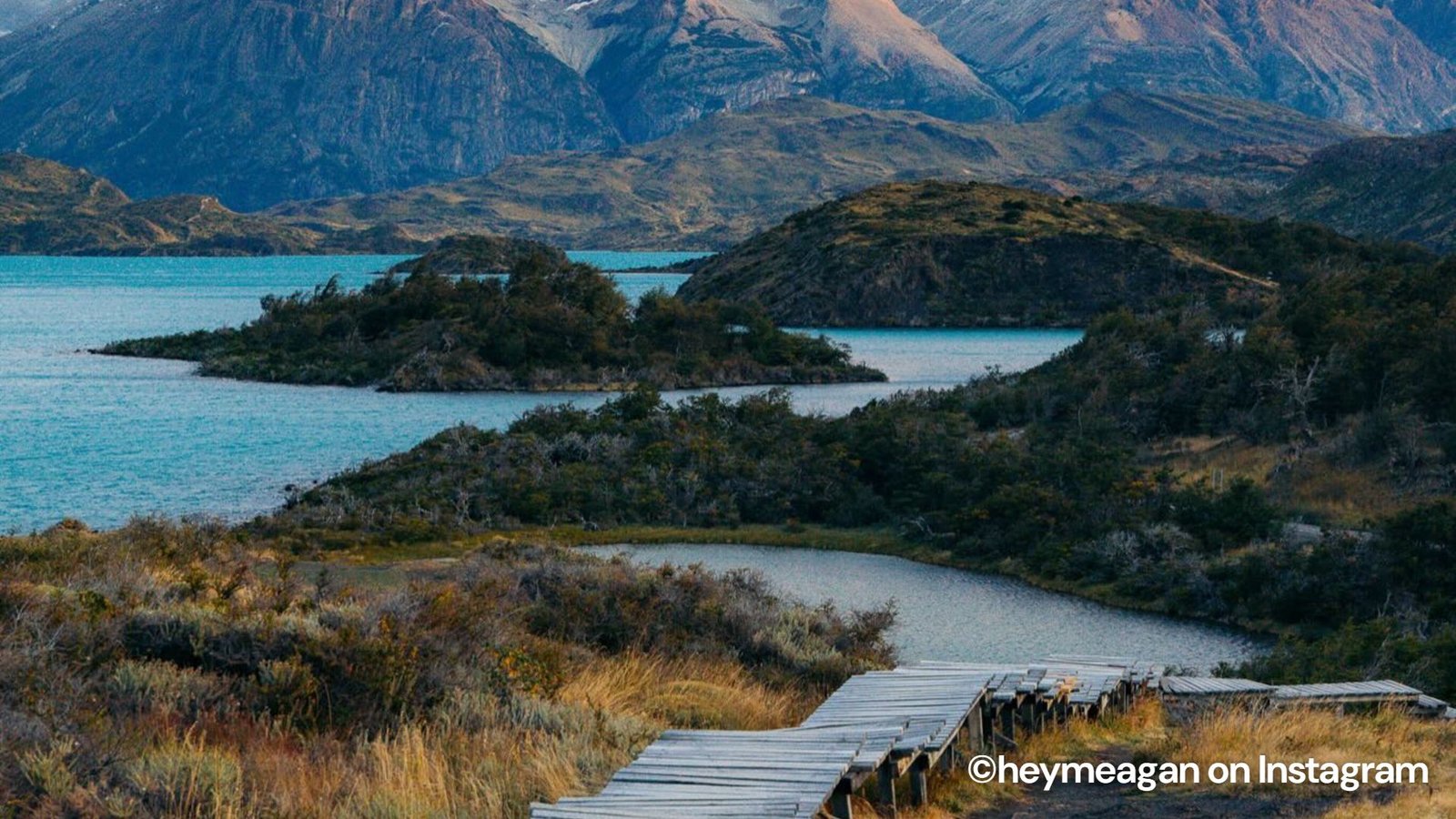
Rewilding Argentina helped establish Patagonia Azul as a protected provincial park on the Atlantic coast. They bought old sheep ranches to restore the natural habitat. It feels like an entirely new world out there when you see the arid grasslands stretching right into the salty ocean.
Flourishing marine wildlife
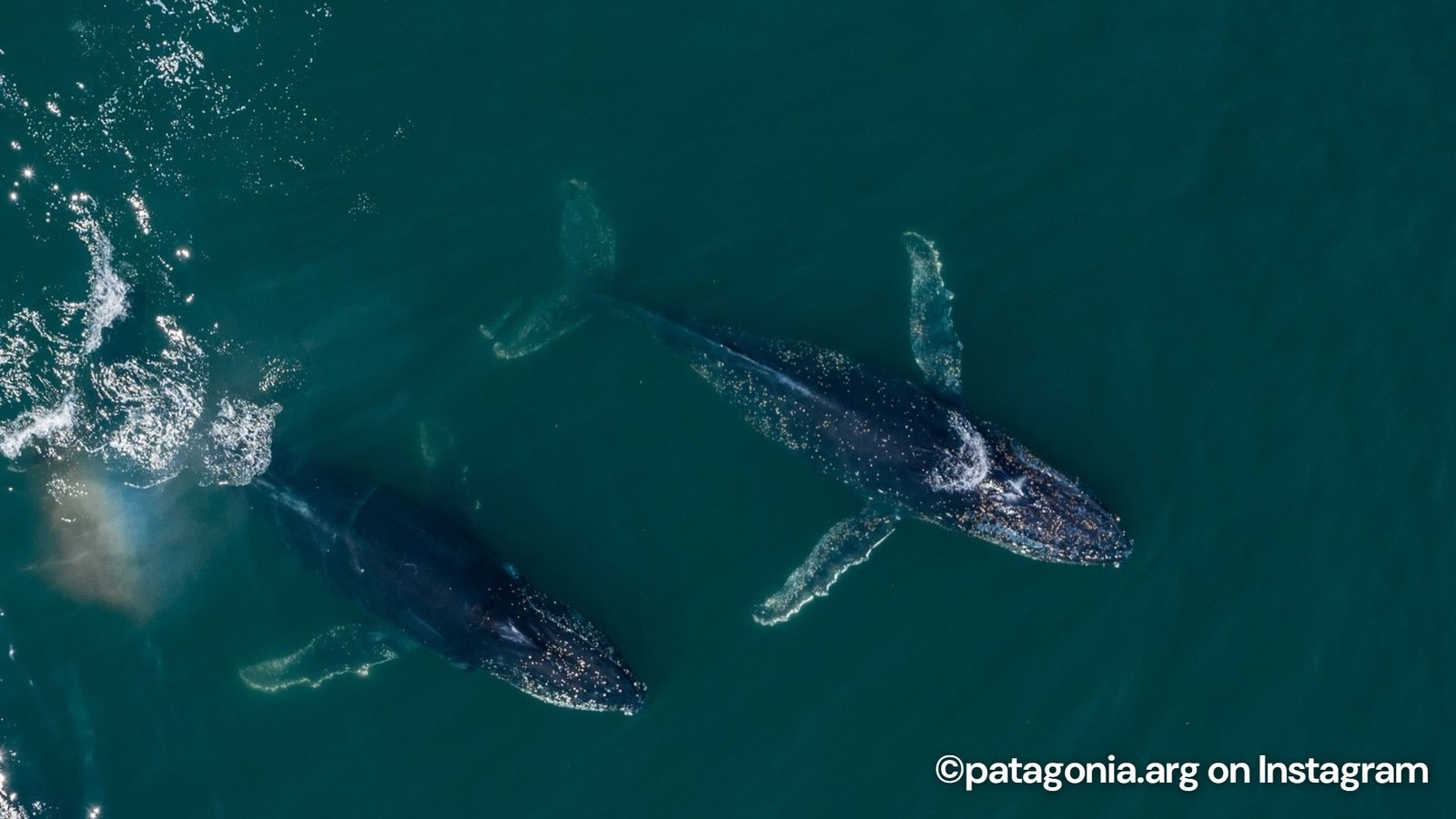
The sea around here is teeming with all kinds of lively animals. Tourists can jump on a boat to go see migrating whales and cute sea lions playing on rocky spots. Scientists check the bays regularly because having plenty of whales shows that the water stays clean and safe. Also team members removed dangerous pest animals so native ocean life and birds can finally live safely again.
Staying at Isla Leones Camps
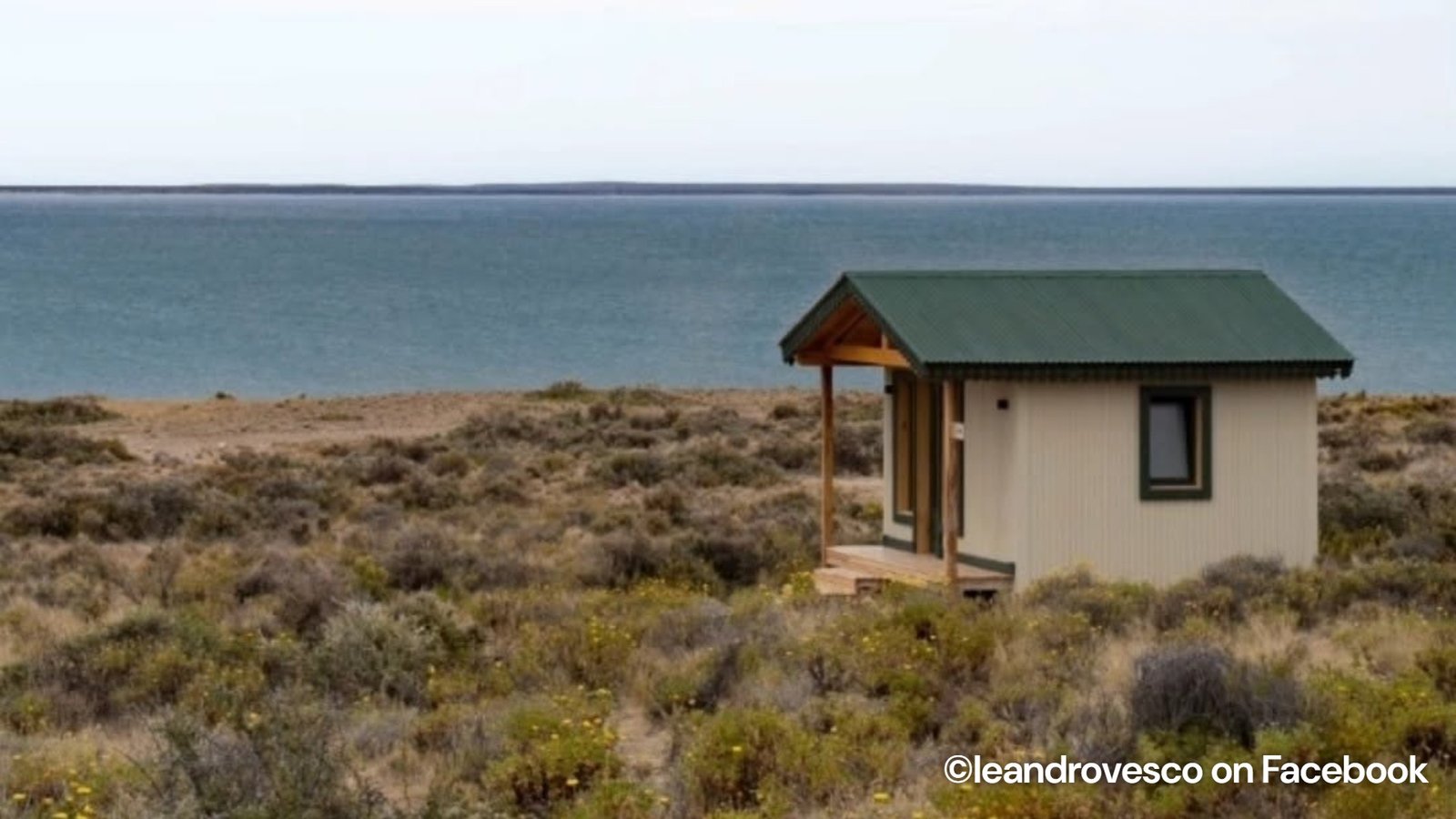
Reaching this coastal lodge feels like pulling up to an adult summer camp. The six cabins are painted in bush green to blend with the landscape and overlook a wild beach. You will probably spot dwarf armadillos and giant flightless birds walking by while you relax on your deck.
Empowering local artisans in Camarones

The nearby town of Camarones is home to a women’s weaving cooperative called ALAS. Local women take the famous fine merino wool and spin it into beautiful hats using traditional Indigenous patterns. It gives the community a great way to earn a living while keeping old traditions alive.
Unique seaweed gastronomy at Marisma Camps
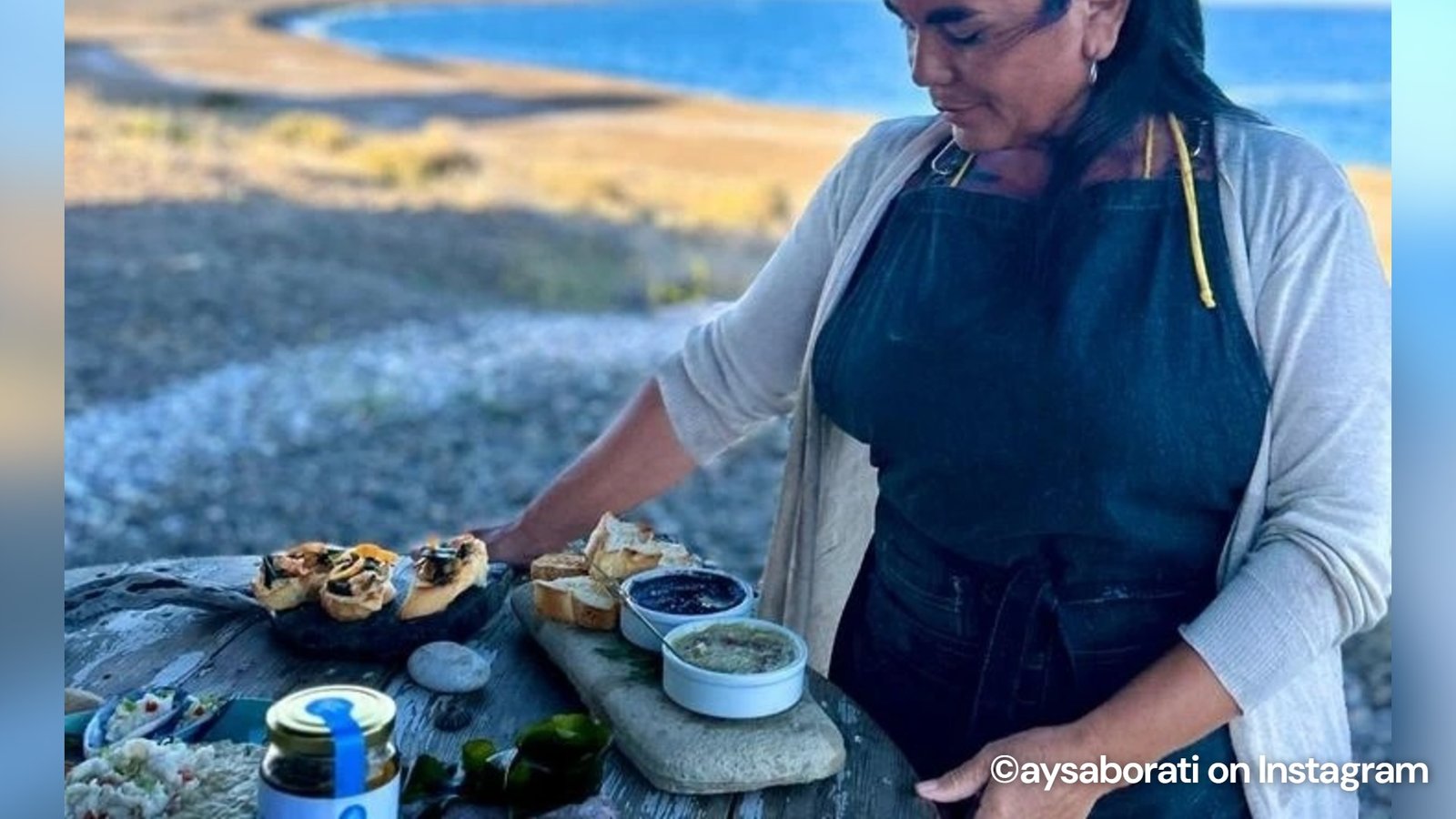
Marisma Camps is the newest lodge where guests can kayak or enjoy the cozy woolen blankets. Chef Carola Puracchio creates incredible meals using local seaweed which adds a fun twist to your lunch. Eating invasive seaweeds helps protect the native ocean species so you get to be a tiny hero.
Driving across the Patagonian steppe
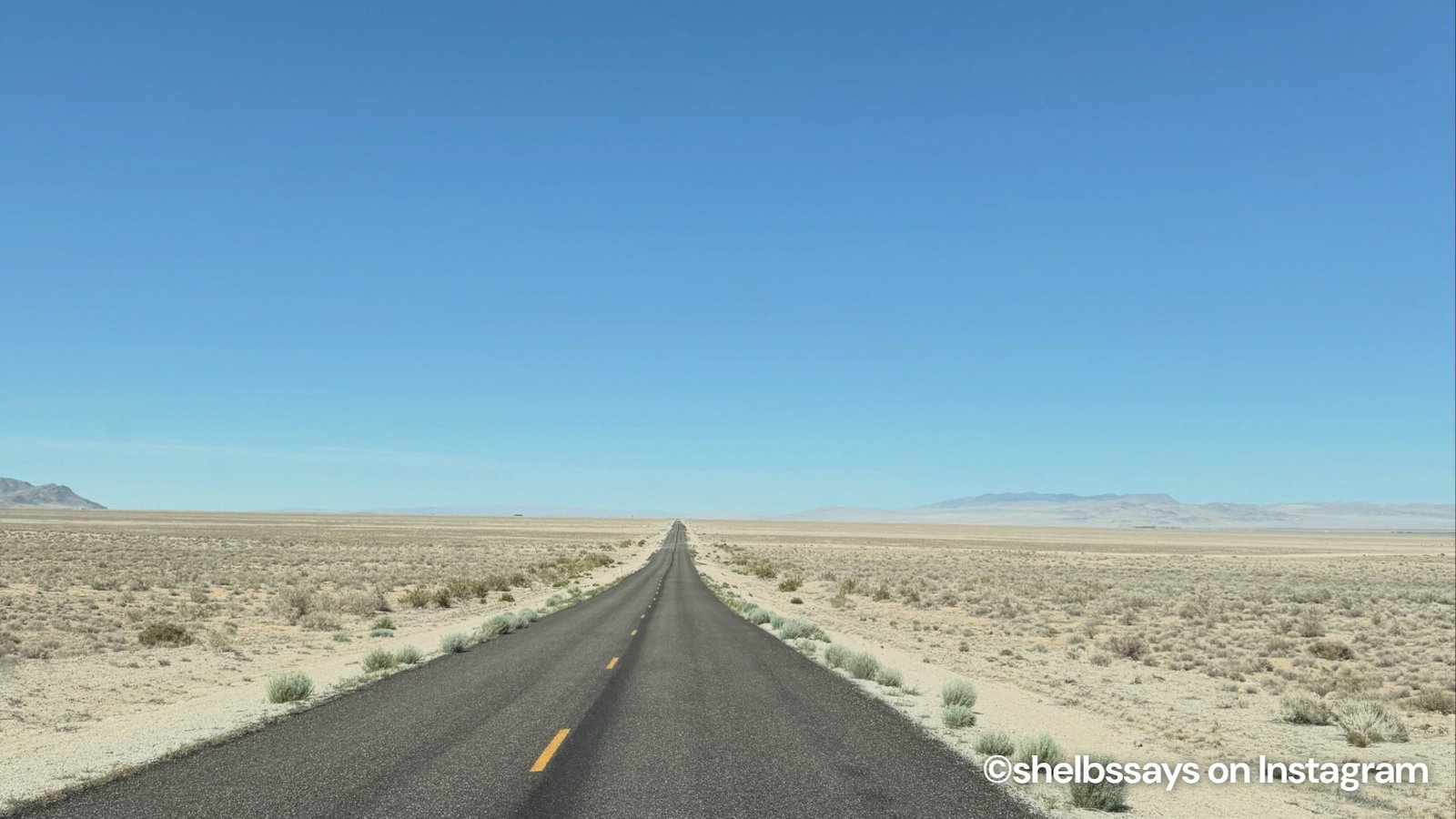
Driving west across the steppe is a wild ride through a desert stretching out forever under the sun. There is absolutely no cell signal out there so locals rely on AM radio stations to send messages about canceled birthday parties and mud stuck cows. It is a strangely peaceful isolation that makes you appreciate the scale of Argentina.
Ancient history at Cueva de las Manos
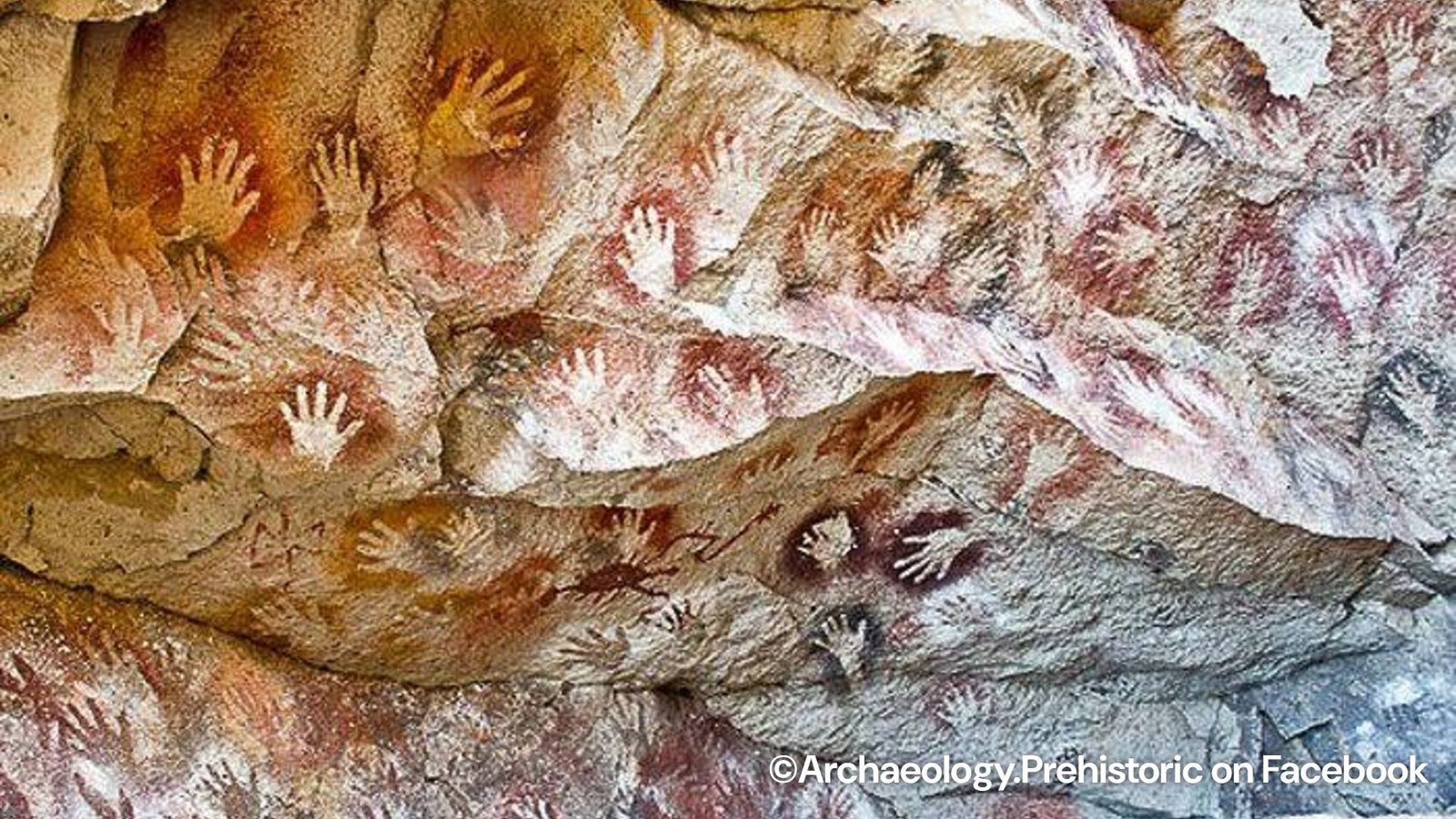
This fascinating UNESCO site sits in a canyon and features ancient handprints painted on the rock walls. Hunter gatherers made these marks over thousands of years and you can even spot a hand with six fingers. It is a stunning piece of human history in a rugged landscape.
Stargazing at La Posta de los Toldos
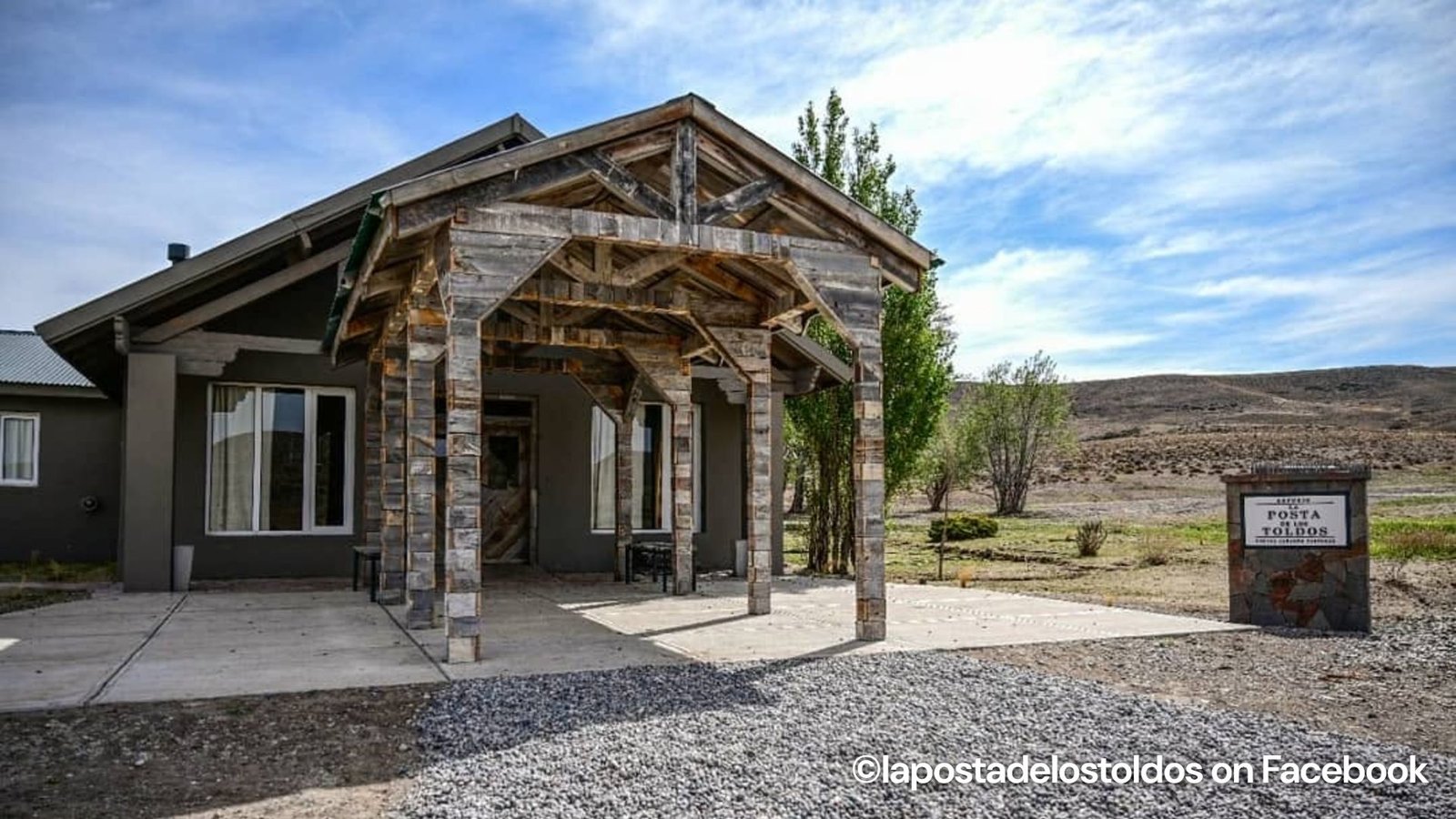
This cozy lodge is found near the Pinturas River Canyon and offers the classic national park vibe perfectly. You can spend your evenings eating cheese rolls with other travelers before heading to the outdoor observatory. The night sky out here is perfectly clear for finding the Southern Cross.
Tracking pumas in Parque Patagonia
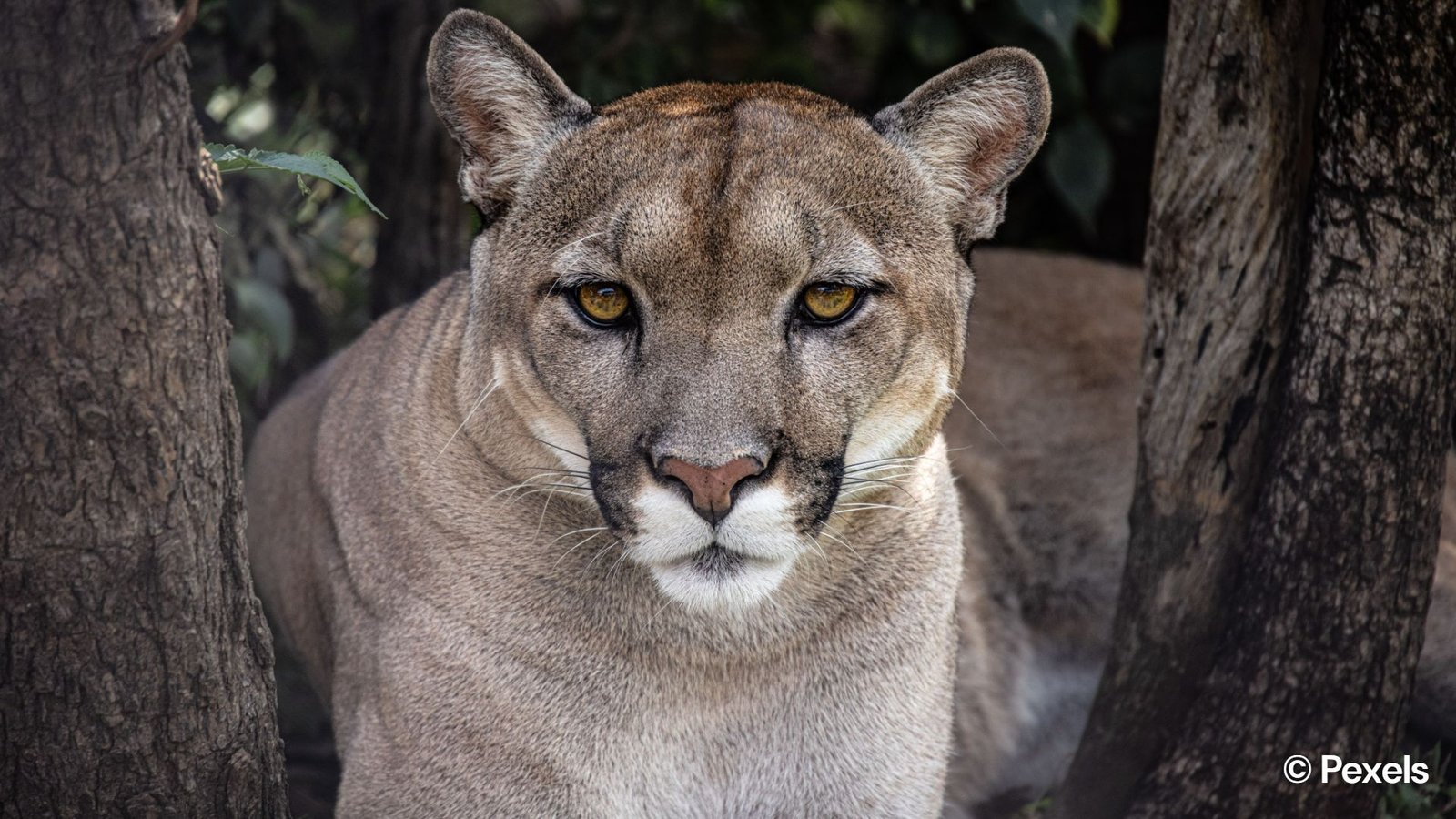
This park holds one of the highest densities of pumas in the Americas. Wildlife technicians use radio trackers to monitor these big cats because a thriving predator population means the ecosystem is doing great. Sometimes you might just see a mother puma and her cub walking right along the road without needing any tracking gear at all.
Merging ecotourism with conservation
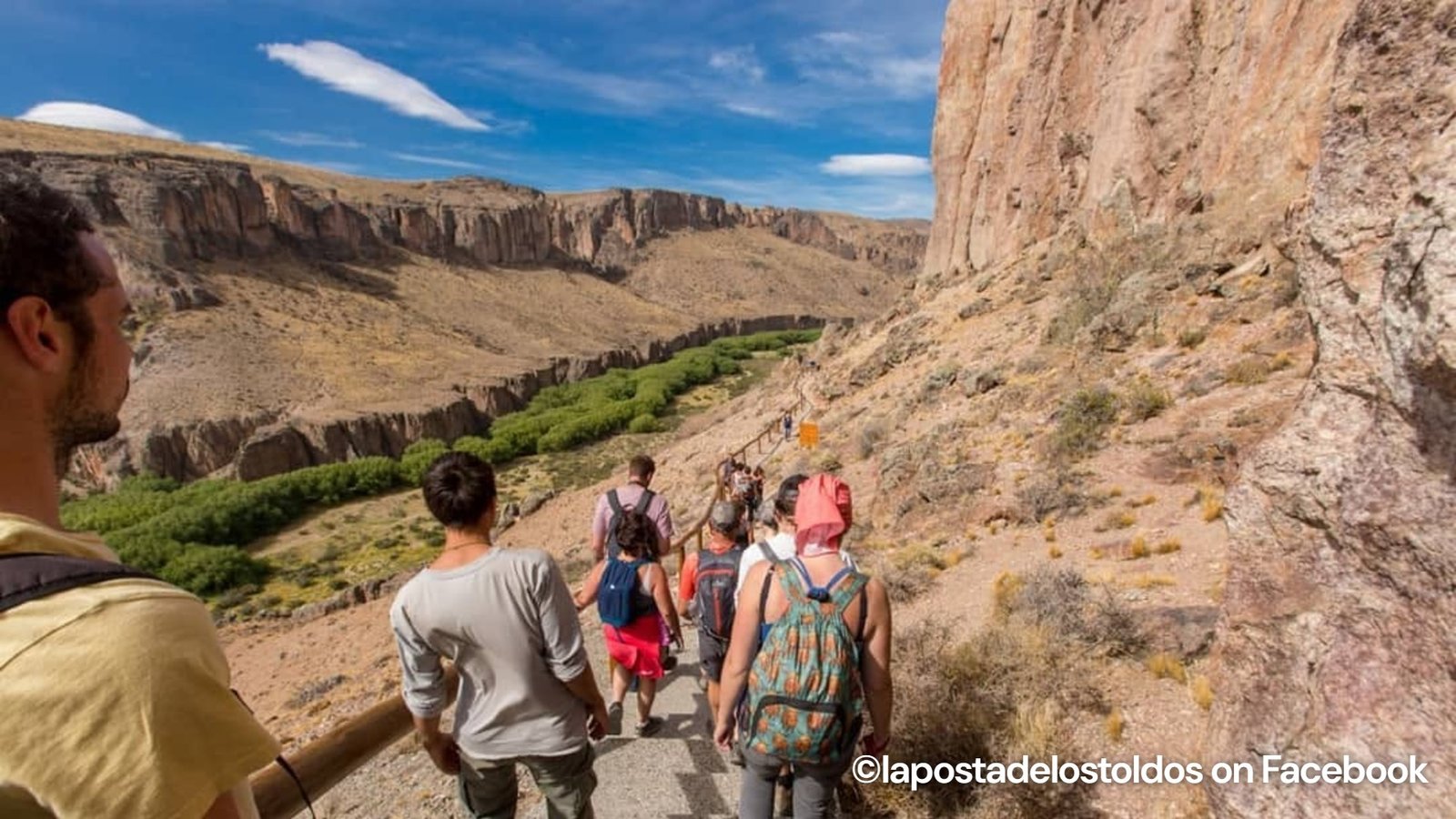
The canyon trails were built using local help which makes everyone in town feel very proud. Sustainable visits prove that taking care of nature can also bring good jobs to local people. Locals start seeing their home with fresh eyes when visitors come from so far away to enjoy it.